
News & events
News
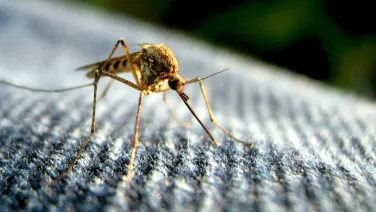
Researchers from The Australian National University (ANU) have exposed a fatal flaw in the deadly parasite that causes malaria - one of the world's biggest killers.

Amber Condell likes stories - both hearing them and telling them. That’s why she likes studying genetics.

A study led by researchers at ANU could lead to new treatments for combating drug-resistant malaria, as well as boost existing drugs.

In fiction and popular culture, parasitic characters appear as a metaphor for the threat and spread of disease.

My group focuses on understanding the function of integral membrane transporters and receptors from a structural perspective.

Professor Geoff McFadden has been awarded the Ralph Slatyer Medal for research in understanding the malaria parasite.
Events

Malaria remains the deadliest parasitic disease in the world despite years of sustained effort, new drug development, and a greater understanding of the causative parasite, Plasmodium, and its interactions with its host.