
Past events
This page lists RSB past events.

In this talk, I will present how the effects of inbreeding and elevated temperature vary across the guppy life and discuss what these patterns tell us about the fate of small populations in a warming world.

Single nucleotide polymorphisms (SNPs) have become a cornerstone of modern conservation genetics, offering affordable, high-throughput genomic data that can directly inform management decisions. This talk showcases how SNP-based approaches are being applied across a range of conservation challenges, using the critically endangered Canberra Grassland Earless Dragon (Tympanocryptis lineata) as a central case study.

Nanobodies are small, stable VHH domains derived from camelid heavy-chain-only antibodies and are compact, robust and readily engineered, making them valuable for structural biology, diagnostic imaging, biosensors and therapeutics.

Part myth-busting and part hand-me-down advice, this talk will reflect on some common misconceptions about statistics and share the lessons we find ourselves repeating every week

Over the course of my PhD, I have had the pleasure of working in Australia's sub-alpine grasslands investigating the effects of heat and drought on plant functioning and carbon cycling.

Pollinators are essential to plant reproduction, community structure, and ecosystem health, but those inhabiting alpine environments face strong thermal constraints.
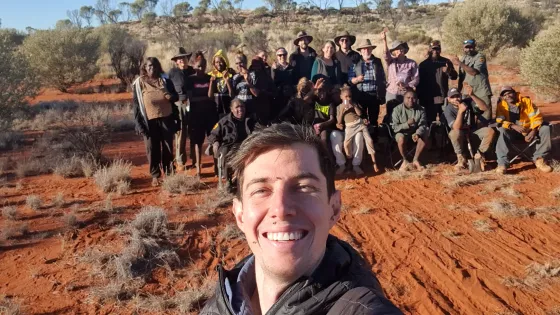
Over the last three years of my PhD, I have been working with Anangu researching why ecologically and culturally significant plants are dying during extreme heatwaves and drought
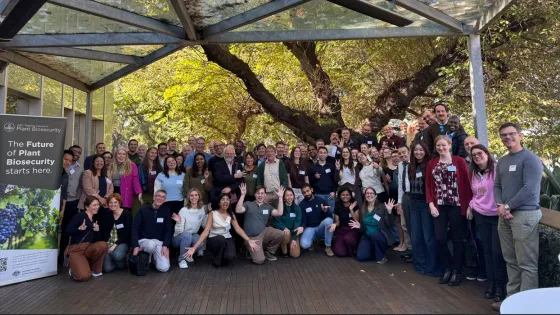
Join this workshop - Seven Secrets of Highly Successful Research Students, organised by ARC Training Centre in Plant Biosecurity. All welcome.

Chloroplast-to-nucleus retrograde signaling has long been understood through transcriptional lenses, but growing evidence points to translational control as an equally decisive layer