

November-December Newsletter: Issue 173
From the Director
Dear colleagues,
Welcome to this final newsletter for 2025 and my last as Director. I do hope you find these monthly missives interesting and informative. Thanks to you all for contributing and, especially, to Vienna for refreshing the format and putting all the pieces together each month.
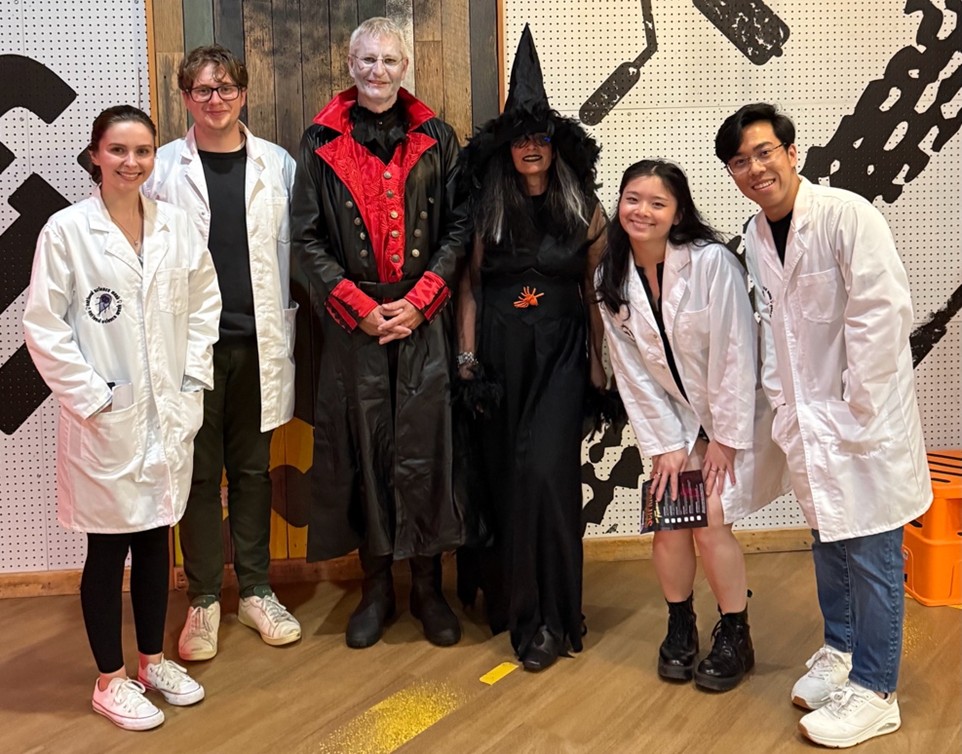
In this edition we once again celebrate some important achievements spanning the new DECRA recipients, the excellent HDR/EMCR conference, teaching field courses and outreach - including a vampire no less. All this serves to emphasise the breadth of activities in the school.
First up, it is always a great pleasure to congratulate the academic staff who have been promoted. In the 2026 CoSM promotions round, we had 2 applicants, each of whom was successful. Well done to Marten Moore (PS) on promotion from Level A to B, and to Kai Chan (PS) on promotion from Level B to Level C! I am also delighted that two RSB faculty - Damien Farine (E&E) and Rob Lanfear (E&E) -with his collaborator Mihn Bui - have been recognised as Highly Cited Researchers in 2025.
As I write, the committee to select the next RSB Director is meeting... RSB is fortunate to have considerable depth in leadership, and I am very grateful to both Uli Mathesius (PS) and Maja Adamska (BSB) for putting their names forward. Each one of these amazing scholars has provided excellent service (as HoD-PS and ADSE, respectively) over recent years and, whatever the outcome, the school will be in good hands going forwards. RSB will have its first female Director, which is long overdue. Rod Peakall has kindly agreed to step in as Acting Director for much of January, which will allow the new Director some time to relax and think about the joys to come.
Which brings me to my farewell as Director. It is common to say that "it has been a great honour and privilege to serve" and I really mean it. RSB (or RSBS) gave me my start as a PhD student (1980-1984). It was an amazing intellectual environment and well-resourced, which allowed me to develop and (thanks to my ever-patient advisor, Dave Shaw) and to establish my own research program. After stints elsewhere, I returned to ANU in 2012 as an ARC Laureate and have Scott Keogh (E&E), Bill Foley (E&E), Kiaran Kirk (E&E) and Andrew Cockburn (E&E) to thank for taking the chance on me. Again, the support from colleagues - professional and academic and those in my research group - was amazing. We also established the Centre for Biodiversity Analysis which supported training and high-risk research by EMCRs in evolutionary biology across ANU, CSIRO and UC. 13 years on, Claire Stephens (E&E) remains the core of the CBA and I thank Justin Borevitz (PS) for taking over as Director in 2024. As RSB Director, I was fortunate to be able to participate in recruiting 10 new faculty - 9 women! - which was enabled by Scott's astute management of the school through the really tough year of 2020. Enabling these EMCRs and other senior staff to achieve their goals is the best part of the job and more than makes up for the difficult times that followed over 2024-2025. Finally, my thanks to all who have served on RSB Exec for the frank and collegial discussions over the years and to our wonderful Dean, Kiaran Kirk, for mentoring me throughout.
RSB has a great future and I look forward to a continuing association. Thanks for the gig!
Welcome
Qing (Daisy) Li

Welcome to Qing (Daisy) Li, who has recently joined the Melonek Group (PS) as a postdoctoral researcher.
Daisy has recently completed her joint PhD project, hosted by the Murdoch University (Perth, Western Australia) and the Agricultural Genomics Institute at Shenzhen (China).
During her two-year appointment in the Melonek Group, Daisy will focus on the characterisation of CMS systems that may be applied to hybrid seed production in wheat and other crops.
Roger Fusté
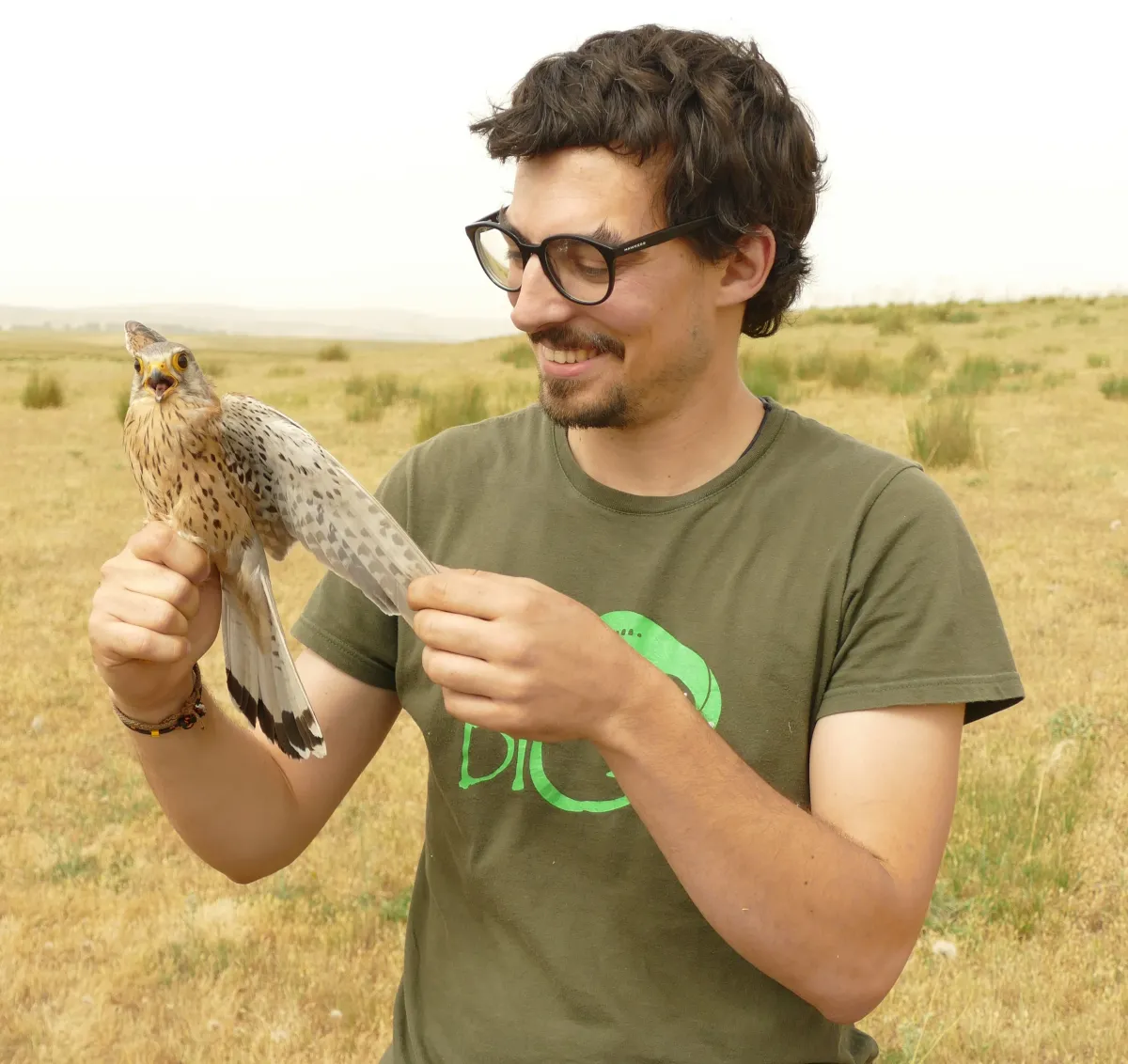
Welcome to Roger Fusté who is visiting the Farine Group (E&E) for several months. Roger is based at the National Museum of Natural Sciences in Madrid where he is studying the formation of pair bonds in spotless starlings. He’ll be working on how to analyse his data to extract pair bonds and, more generally, to quantify the social structure of a large population of starlings.
Grants Awarded
Congratulations to our new DECRA Fellows DECRA Fellows on their exceptional achievement in the scheme's most competitive round to date, which saw a national success rate of just 13%:
- Ashley Jones (Schwessinger Group, PS) Safeguarding Australia's native plant biodiversity from a fungal pandemic, valued at $526,439.00.
- Ian Brennan (Keogh Group, E&E) Using genetics to save Australia’s predators from cane toads, valued at $517,554.00.
- Ruitao Jin (Corry Group, BSB) Structure, function and engineering of plant osmolarity sensors, valued at $507,308.00.
Congratulations

In the Media
Damien Farine (E&E) recently travelled to Kerala (India) for his National Geographic-funded project on dolphin-fisher interactions. This partnership was covered by several news media outlets, read The Hindu article Researchers to study rare dolphin-fisher kinship in Ashtamudi Lake or watch the Kairali News report on YouTube (in Malayalam).
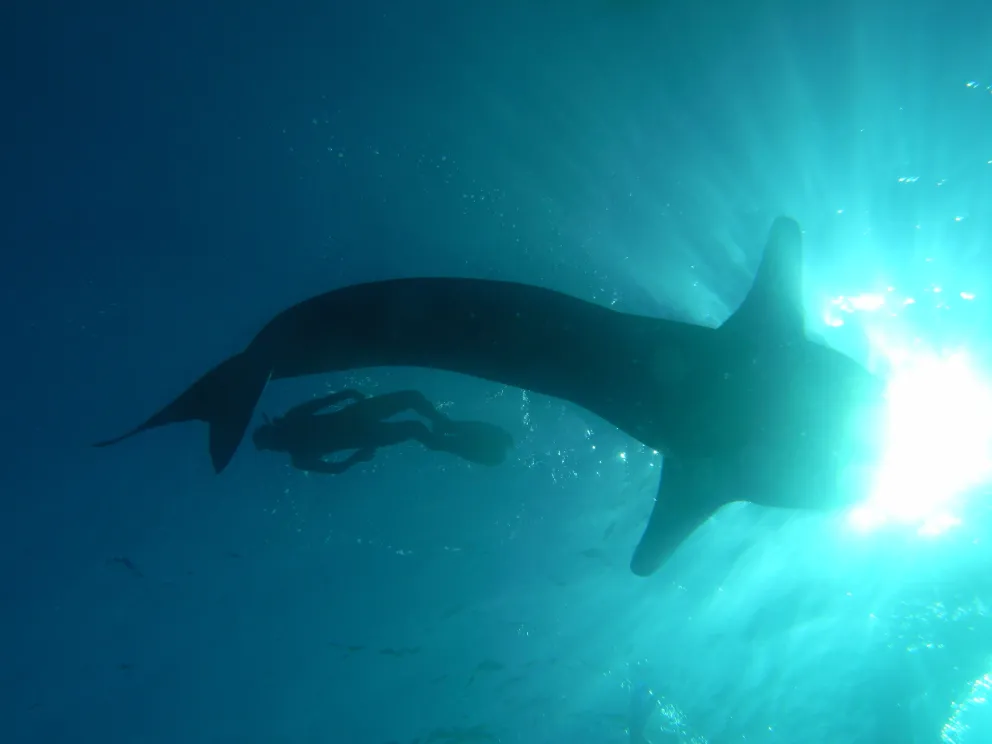
Ana Sequeira (E&E) has just returned from a fieldtrip to Indonesia where she started a new collaboration with the Indonesian Elasmobranch Institute. The trip was sponsored by BBC who were interested in doing a sequence on the work Ana has been doing in MegaMove showcasing her tagging whale sharks off East Kalimantan, Indonesia. The work involved scuba diving with whale sharks to deploy tagging devices and learn where these animals go after leaving Indonesian waters. The fieldwork was a success, and we look forward to seeing Ana’s research on the BBC screen!
News
RSB HDR-EMCR conference – 21 Nov 2025
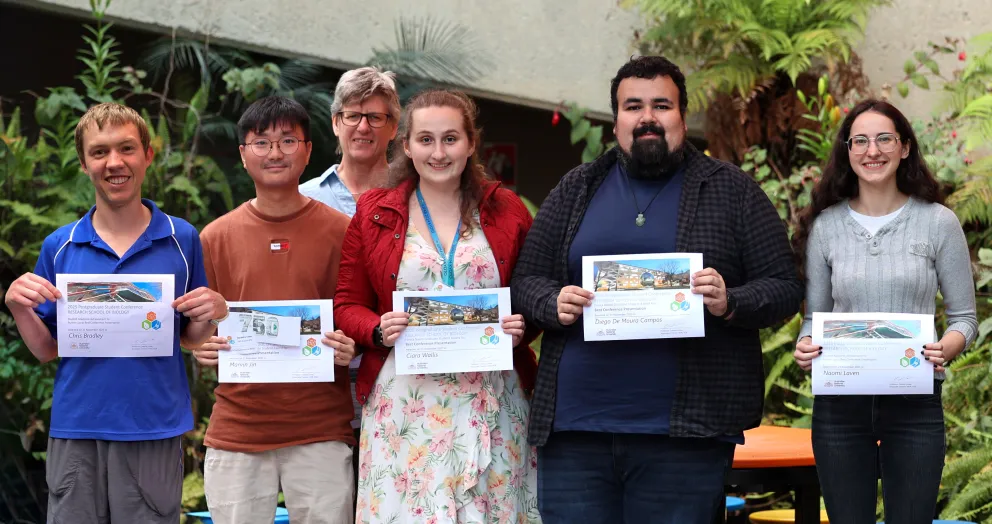
Another successful HDR-EMCR conference, expertly organised by the HDR committee members -Shefali Dorepali (Aplin Group, E&E), Cecilie Nie (Maier Group, BSB), Grace Jones (Tham Group, BSB), Hafiz Sabah-Ud-Din Mazhar (Danila Group, PS), Arslan Mahmood (Millar Group, PS) and Fran Hacker (Farine Group, E&E)- with considerable input from Mitzy Pepper (Keogh Group, E&E) from the EMCR Committee, session chairs and numerous volunteers. Talks were of high quality, with Hiroto Naora best conference presentation awardees Ciara Wallis (Corry Group, BSB), Diego DeMoura Campos (Djordjevic Group, PS) and Marvin Jin (Djordjevic Group, PS). Runners up were Chris Bradley (Borevitz Group, PS) and Naomi Laven (Noble Group, E&E). Congratulations to you all.
BIOL3210
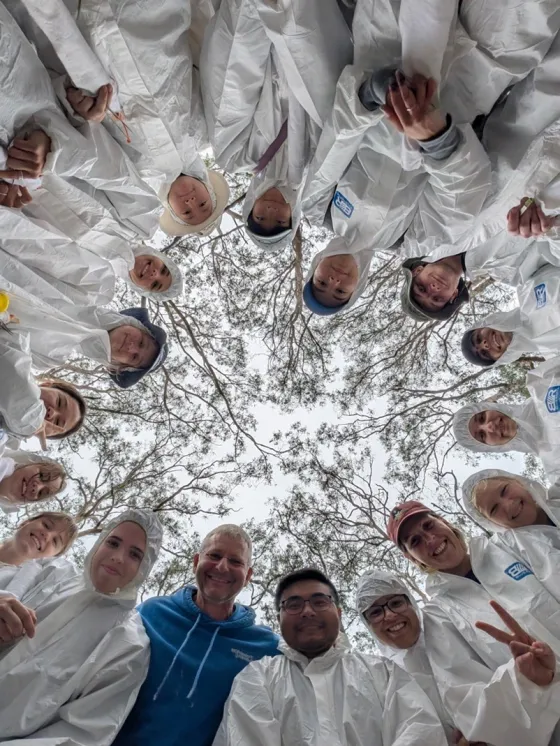
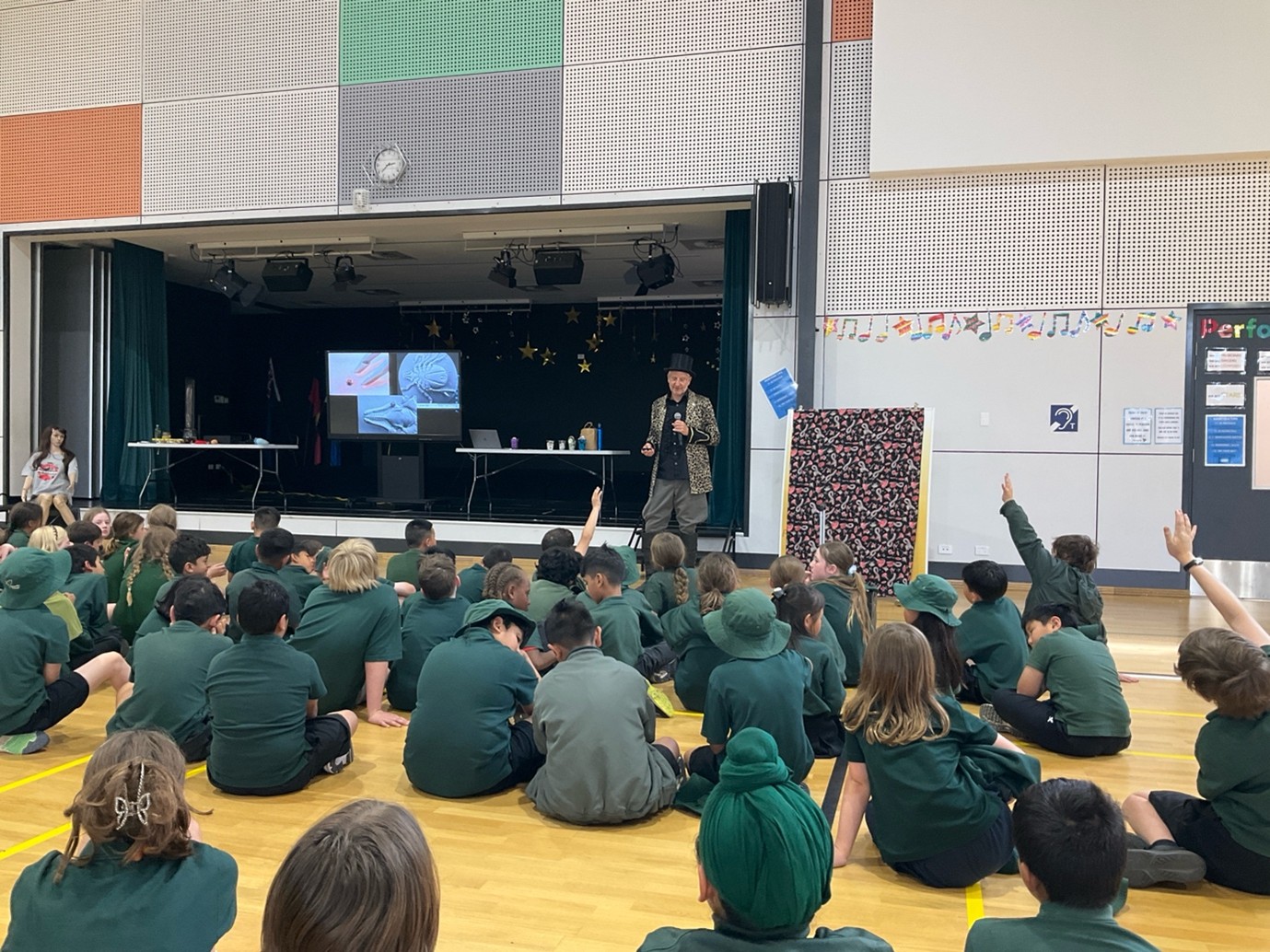
With the aid of both low- and high-tech methodology (including cotton diapers, kitchen sieves, cooking salt, portable scanning electron microscopes and minION sequencing) BIOL3210 students learned to appreciate the parasitic round worms, ticks, flukes, tape worms, mites, and (of course) leeches in the Kioloa landscape. Thank you to Yiming Li (BTLC), Sam Shippley, Alex Gofton, Melanie Rug (BSB/CAM), Saul Cunningham (FSES), Benjamin Schwessinger (PS), Mareike Moeller (Schwessinger Group, PS) and David Jenkins (Maier Group, BSB) for an engaging and enjoyable program!
A Celebration of E&E’s New Emeritus Professors
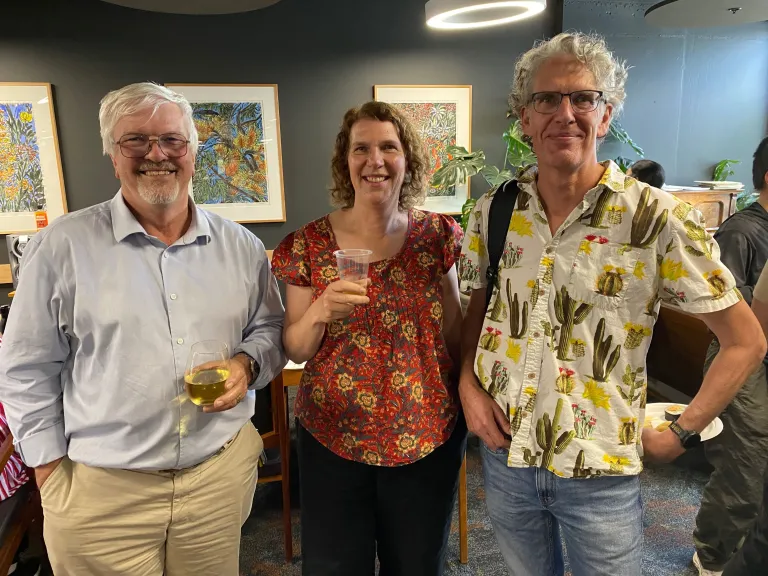
On Wednesday the 26th of November, the end of our E&E 2025 seminar series was concluded with a set of three wonderful seminars by our newly appointed Emeritus Professors: Michael Jennions (E&E), Naomi Langmore (E&E) and Craig Moritz (E&E). The well attended event was followed by nibbles and drinks. Below, Shefali Dorepalli (Aplin Group, E&E) has summarised some of the insights she gained from the event.
It was a pleasure to hear from newly appointed Emeritus professors as they reflected on their academic journeys so far.
Mike walked us though his journey as a researcher and teacher, enlightening us with interesting and though-provoking case studies, research and book recommendations. From female perceptions of male attractiveness and reflections on conducting meta-analyses, to acknowledging the importance of a bit of luck along the way, Mike reminded us to take opportunities as they come.
Naomi highlighted the importance of her Honours year at ANU in setting up here research career. It was in this year, that she realised that her common observations of female songbirds singing in Australia was considered to be very rare elsewhere in the world. Her subsequent research successfully challenged the notion of birdsong being a male-specific behaviour. Drawing on an unexpected sighting of cuckoos parasitising fairy-wrens, also made during her Honours year, took her on another exciting journey, the discovery of the co-evolution between parasitic cuckoos and their hosts.
Craig told us of his love for scientific discovery, and how it led him to move between continents, uncovering new tools for mapping biodiversity. Chance meetings with academics in airport lines and serendipitous discoveries allowed Craig to contribute to our understanding of how we can use genetics to inform conservation. He ended with a lovely note on bringing community together to restore Eucalypts on his farm.
The passion for science in all three talks was hard to miss, and Mike, Naomi and Craig all spoke of the wonderful connections they made throughout their careers – collaborators, students and friends. We wish Mike, Naomi and Craig all the best in their future endeavours!
Outreach
From the APPN
APPN goes to Wildbark
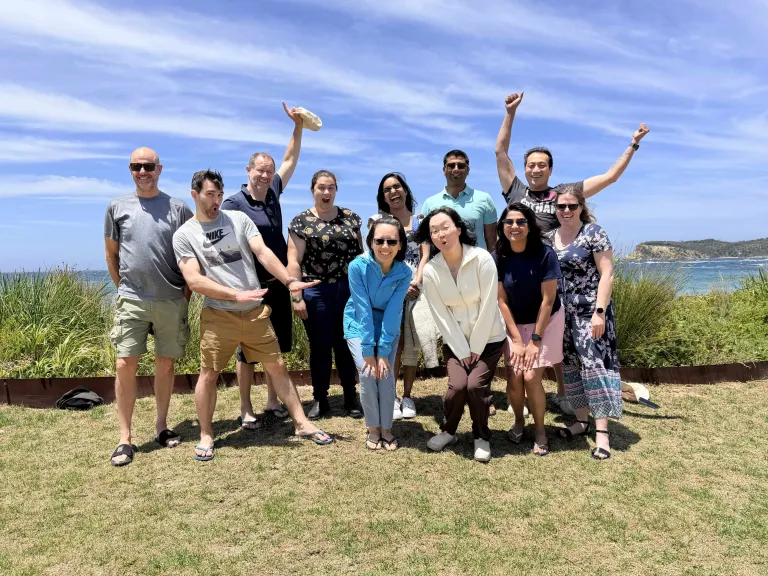
On 18 and 19 November, the APPN ANU team held their annual retreat at Wildbark in Throsby to reflect on the past 12 months and plan for the future year and beyond. The team enjoyed a Lego workshop run by Richard Poire (Way Group, PS) to allow us to explore our successes, challenges and ambitions through play. We got to know each other better, shared information and had several brainstorming sessions to explore future grant applications and software projects to embark on in 2026. We also had the opportunity to learn about and hold a couple of snakes, including the rare Woma Python, and went for a walk through the Mulligan’s flat nature reserve where we saw water birds and an Echidna. All in all, a very enjoyable and successful retreat!
From Plant SynBio Australia - ANU
The Plant SynBio Australia (PSBA) facility at ANU is now open for business and ready to collaborate. Please contact us at psba@anu.edu.au if you have any plant synthetic biology requirements, ideas or proposals, or if you’d just like to chat.
Wheat transformation protocol optimised with high efficiency
We are thrilled to announce our recent research achievement. In collaboration with Julian Greenwood (Pogson Group, PS), we successfully optimised a wheat transformation protocol that led to the successful introduction of the RUBY marker—a result vividly clear in the photo of the red RUBY wheat beside regular wheat.
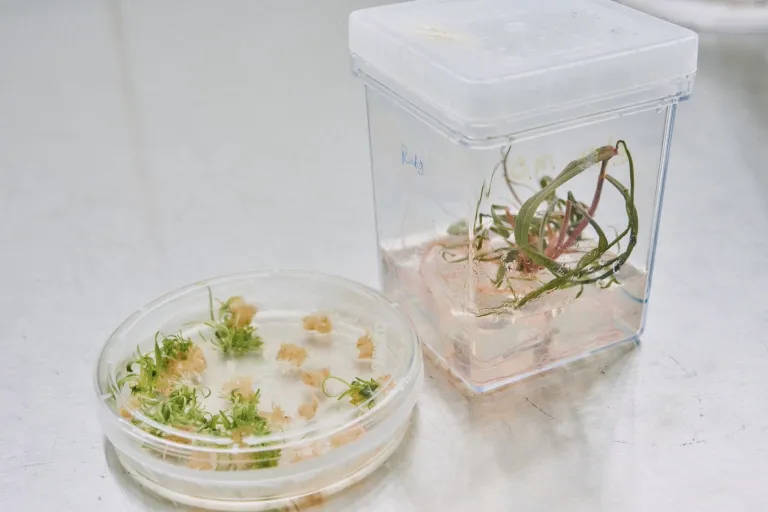
The newly established protocol achieves an exceptional transformation efficiency of 25%. This exciting progress is a powerful demonstration of our facility's expertise in wheat transformation. This is a strong foundation for our future waves of innovation. Currently in development are new methods for transforming mature wheat embryos, expected to further increase our overall transformation capacity.
Read more about Plant SynBio Australia
Obituary
Vale Stuart Letham FAA, FRSNZ(Hon)
8th September 1926 – 23rd November 2025
Stuart Letham, who recently passed away in his hundredth year, was one of the earliest appointees in the Research School of Biological Science at ANU after it was founded in 1967. He arrived in late 1969 as a Senior Fellow, retired in 1992 and continued his research career for more than another two decades as Emeritus Professor, collaborating with former students and colleagues, including several current members of RSB.
Born in New Zealand, he trained and worked as an analytical chemist, turning to biochemistry for his PhD in Birmingham. His early publications (1954-6) were on the topical subject of sequencing DNA and chemical properties of purines and pyrimidines – experience that may have paid off handsomely in a different context ten years later. He returned home to New Zealand in 1955, joining DSIR’s Fruit Research Division. There he embarked on the fundamental discoveries that were to establish him as one of the foremost researchers in plant science worldwide, and win him many distinctions, including Fellowships of the Australian Academy of Science (1983) and Royal Society of New Zealand (1985) and the prestigious Medal of the International Plant Growth Substances Association (1991).
His question was simple: what role does cell division play in the growth of fruits and how is it regulated? Stuart developed methods for isolating cells, separating them from tissues by extracting calcium from cell walls with chelating agents (1958-1962). Concurrently, he developed a tissue culture assay to gather evidence for the existence of as yet unidentified stimulants of cell division in young fruits. His breakthrough isolation and chemical characterisation of an active purine derivative came in 1963, assigning the structure 6-(4-hydroxy-methylbut-trans-2-enylamino)purine. He named it “Zeatin” after one of the sources that he had used, Zea kernels, 60 kilograms of which had yielded less than a milligram for analysis. Zeatin was the forerunner of a large new family of plant growth regulators. He coined the name “Cytokinins” for them, also in 1963. Their biochemistry, modes of action and functions in plant development were to be his research focus for the next six decades.
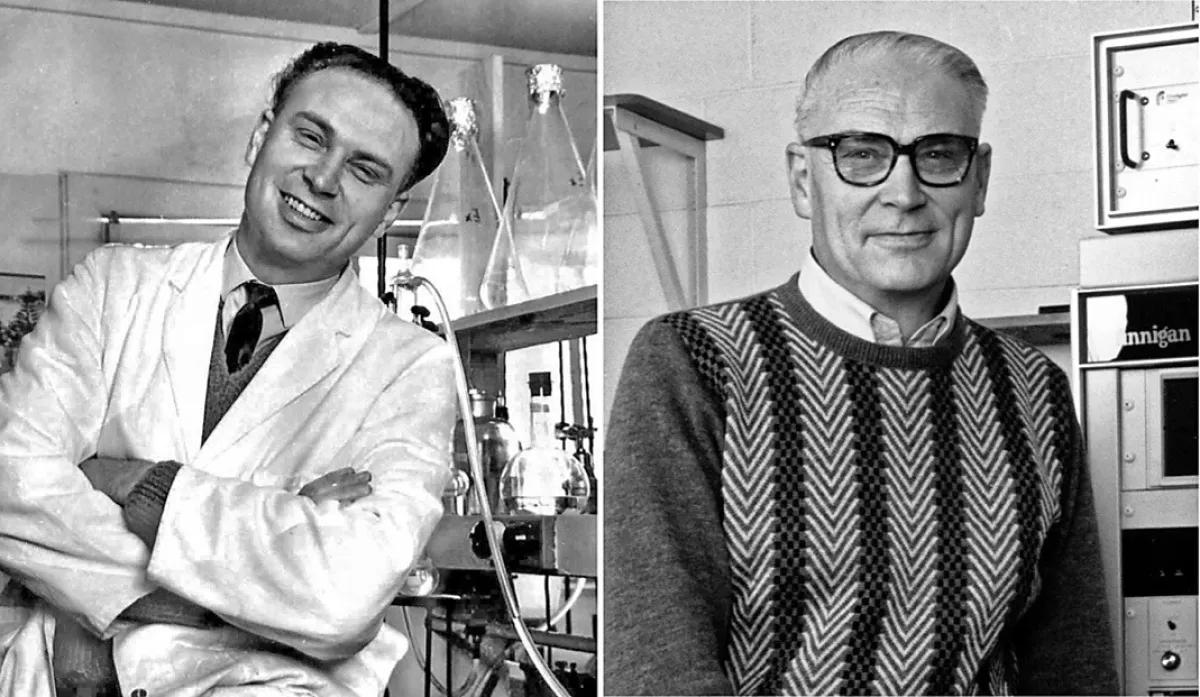
Stuart’s monumental body of work remains as a rock on which much modern research on plant development is founded. Cytokinins are now known to be essential signal molecules, present in trace quantities in all plants. Plant tissue culture, which hitherto relied on raw additives such as coconut milk, became possible with defined media. Stuart’s own summaries are in Annual Review of Plant Physiology (1967) and (1983), and his colleague Paula Jameson has provided a comprehensive commemorative account to mark the 60th anniversary of the identification of Zeatin, in Plant Physiology (2023).
Stuart Letham was a wonderful colleague, an unassuming, devout man of great wisdom who stood above the occasionally turbulent affairs of the Research School, focussing on his science with profound insights, versatile skills, integrity and dignity.
In his private life, he was devoted to his wife, Iris, and to the well-being of his wider family and church community. He was a devout Seventh-day Adventist and saw no contradiction in his scientific work and his life as a follower of Christ. For all Stuart’s fame as a scientist, he claimed that his greatest work was to be found in the privilege of looking after his wife in her final days in 2010. He was fiercely independent and had recently celebrated his 99th birthday at home with family and friends, frail but in good health until a fall required his hospitalisation: he died there peacefully in his sleep four days later, on Sunday 23rd November 2025.
It is the mark of the man that he has willed his estate to the on-going support of a nursing scholarship at the Sydney Adventist Hospital in Wahroonga. The scholarship, which Stuart previously established, was named to honour Stuart’s older brother John, in tribute to his long and faithful service as a doctor at the hospital and in the community.
Stuart is buried alongside Iris, his dear wife of 57 years, in the Avondale Seventh-day Adventist Cemetery.
Publications
Briceño VF, Arnold PA, Cook AM, Courtney Jones SK, Nicotra A et al. Drivers of thermal tolerance breadth of plants across contrasting biomes. Journal of Ecology. https://doi.org/10.1111/1365-2745.70198.
Cardillo M, Scheele B & Tulloch A. Forecasting extinction risk for future-proof conservation decisions. Trends in Ecology & Evolution. https://doi.org/10.1016/j.tree.2025.10.014.
Cardoso P, Baker NJ, Boieiro M, Braby MF et al. Toward a global repository of insect traits (GRIT). Insect Conservation and Diversity. https://doi.org/10.1111/icad.70035.
Casarotto MG. Investigating the CaV1.1 II–III loop region by NMR. Australian Journal of Chemistry. https://doi.org/10.1071/CH25140
Chung MH, Zang C, Moura-Campos D, Jennions MD & Head ML. Does early-life food shortage alter female life history at elevated temperatures? The American Naturalist. https://doi.org/10.1086/739304
de Boer T, Sikenykeny K, Nyaguthii B, Farine DR & Klarevas-Irby JA. Habitat selection during dispersal reduces the energetic cost of transport when making large displacements. Proceedings of the Royal Society B. https://royalsocietypublishing.org/doi/10.1098/rspb.2025.1442
Ding W, Ree R, May M, Skeels A et al. The asynchronous rise of Northern Hemisphere alpine floras reveals general responses of biotic assembly to orogeny and climate change. Science Advances.
Esquerré D & Skeels A. Biogeographic Patterns of Richness and Endemism in Liolaemidae: Identifying Hotspots for the Most Diverse Andean Reptile Radiation. Andean Herpetofauna. Sustainable Development Goals Series. https://doi.org/10.1007/978-3-032-00074-3_5
Gao X, McNamara HA, Lee J, Rug M et al. B cells targeting parasites capture spatially linked antigens to secure T cell help. Science Immunology. https://doi.org/10.1126/sciimmunol.adw0415
Gardner A, Gonzalez-Caro S, Dusenge ME, Meir P et al. Linking leaf traits to growth responses under climate warming in tropical trees. Frontiers in Plant Sciences. https://doi.org/10.3389/fpls.2025.1721483
Hodgson ER, Hayward JA, Leonard RA, Makota FV & van Dooren GG. A novel targeting domain directs essential components of the cytosolic iron-sulfur cluster assembly pathway to the mitochondrion of Toxoplasma parasites. Public Library of Science Biology. http://doi.org/10.1371/journal.pbio.3003520
Hua X, Bromham L, Stewart J, Algy C & Meakins F. Sali-CAT: A new method for ranking social salience for multiple variables. Language Variation and Change.
Jahson B, Alemu I, Mallela J & Wicquart J. Trinidad and Tobago. Status and Trends of Caribbean Coral Reefs: 1970 – 2024. Global Coral Reef Monitoring Network and International Coral Reef Initiative. https://doi.org/10.59387/BDHF9180
Karunasekara Y, Aditya S, Norris NC, Casarotto MG et al. Interactive Role of the DHPR β1a SH3 Domain in Skeletal Muscle Excitation-Contraction Coupling. Biomolecules. https://doi.org/10.3390/biom15111610
Nazeri H, Talebi Bezmin Abadi A, Imani Fooladi AA & Rahimi F. Investigating the expression of virulence genes pilA and csuD of Acinetobacter baumannii in patients' samples in Tehran, Iran. Gene Reports. https://doi.org/10.1016/j.genrep.2025.102392
Przeslawski R, Carlile N, Carroll A, Sequeira AMM et al. Environmental considerations related to floating offshore wind farms: a case study from waters around New South Wales, Australia. Marine and Freshwater Research. https://doi.org/10.1071/MF24279
Schreier TB, Balahadia CP, Danila F. Cell-to-cell connectivity: a future target for crop improvement. Journal of Experimental Botany. https://doi.org/10.1093/jxb/eraf497
Shen S, Ma S, Tian YQ, Ruan Y-L et al. Synchronizing sucrose effluxers with influxers in phloem loading for yield output and adaptation to environment. National Science Review. https://doi.org/10.1093/nsr/nwaf359
Taylor MD, Strydom S, Fraser MW, Sequeira AMM & Kendrick GA. Breaking down seagrass fragmentation in a marine heatwave impacted World Heritage Area. Remote Sensing in Ecology and Conservation. https://doi.org/10.1002/rse2.70032
Tcherkez G, Broussard L, Dourmap C, Ball MC et al. Experimental evidence for photosynthetic dependency of phloem sap generation in minor veins. Plant, Cell and Environment. https://doi.org/10.1111/pce.70274
Tegtman NT, Radford AN & Magrath RD. A heads-up on danger: a novel avian vigilance call changes subsequent responses to alarm calls. Animal Behaviour. https://doi.org/10.1016/j.anbehav.2025.123403.
VanCompernolle M, Morris J, Calich HJ, Sequeira AMM et al. Vulnerability of marine megafauna to global at-sea anthropogenic threats. Conservation Biology. https://doi.org/10.1111/cobi.70147
Von Caemmerer S, Berry JA, Farquhar GD, A perspective: A biochemical model of photosynthetic CO2 assimilation in leaves of C3 species. Planta. https://doi.org/10.1007/s00425-025-04834-7
Vray A, Barbour M, Holloway-Phillips M, MC Ball, and G Tcherkez. Compartmentalization of leaf water pools: how are evaporating sites connected to carboxylation sites and exported photosynthates? Plant, Cell and Environment. https://doi.org/10.1111/pce.70331
Zoest VP, Lee WS, Murdiyarso L, Tham WH et al. A novel chimeric coronavirus spike vaccine combining SARS-CoV-2 RBD and scaffold domains from HKU-1 elicits potent neutralising antibody responses. npj Vaccines. https://doi.org/10.1038/s41541-025-01323-6
Read more

Powering the Australian bioeconomy through plant innovation. Plant SynBio Australia enables plant synthetic biology services for agricultural species, particularly in oilseed and cereal crops.

RSB Newsletter - October 2025. Spotlight on Plant Science Rubisco breakthroughs, deep tech innovation talks, ARC Discovery Project successes and more.
RSB Newsletter - October 2025. Spotlight on Plant Science Rubisco breakthroughs, deep tech innovation talks, ARC Discovery Project successes and more.
RSB Newsletter - October 2025. Spotlight on Plant Science Rubisco breakthroughs, deep tech innovation talks, ARC Discovery Project successes and more.