
Events
Participate in our seminars, public lectures and other events, or watch past event recordings.
Upcoming events

Pollinators are essential to plant reproduction, community structure, and ecosystem health, but those inhabiting alpine environments face strong thermal constraints.

Over the course of my PhD, I have had the pleasure of working in Australia's sub-alpine grasslands investigating the effects of heat and drought on plant functioning and carbon cycling.
Past events
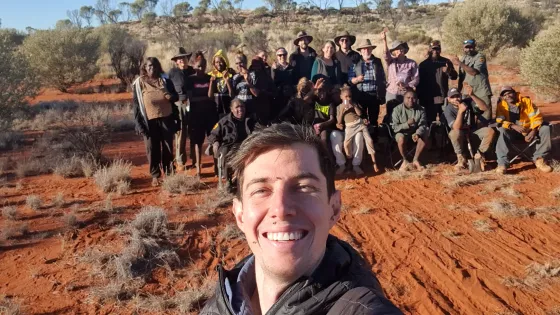
Over the last three years of my PhD, I have been working with Anangu researching why ecologically and culturally significant plants are dying during extreme heatwaves and drought
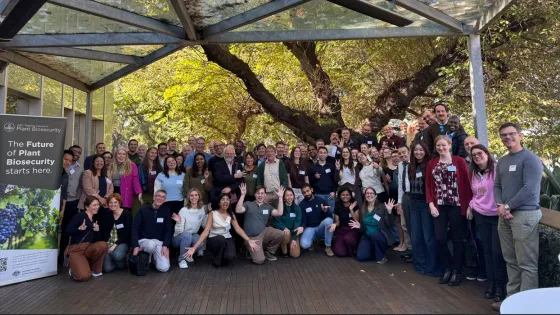
Join this workshop - Seven Secrets of Highly Successful Research Students, organised by ARC Training Centre in Plant Biosecurity. All welcome.

Chloroplast-to-nucleus retrograde signaling has long been understood through transcriptional lenses, but growing evidence points to translational control as an equally decisive layer
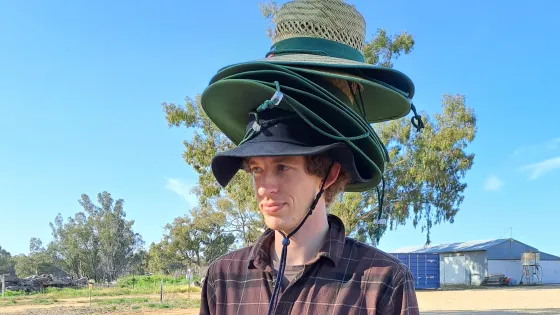
My PhD project aims to develop and apply novel screening methodologies to improve the identification and characterisation of heat-tolerant wheat genotypes.


Serendipita is a genus of beneficial root-associated fungi (Basidiomycota) that promotes plant growth, enhances nutrient acquisition, and improves plant resilience to environmental stresses.