
Symposium on Host-Microbiome Interactions – from Structure to Function
A symposium on all aspects of host-microbiome interactions.
Event series
Cost
Cost per person: 24.19
Registration open from 18 Oct 2019 til 20 Nov 2019
Content navigation
RegisterDescription
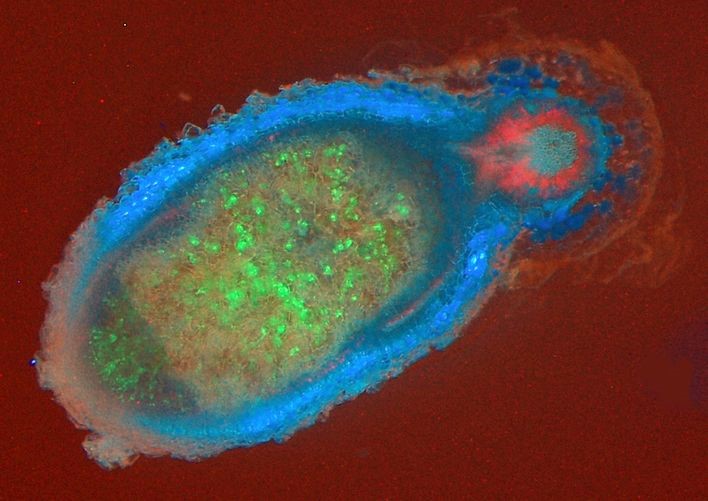
A symposium on all aspects of host-microbiome interactions. Presentations will include genomics and bioinformatics of microbiomes, physical structure of microbiomes, plant- and animal microbiome interactions; soil and landscape microbiomes, ecology and evolution of host microbiomes. We aim to stimulate discussion across disciplines about the structure, function and evolution of microbiomes associated with a range of eukaryotic hosts and ecosystems, along with the best methods to study microbiomes. We would like to debate future prospects of utilizing host microbiome research to enhance health and sustainability of hosts and ecosystems.
Invited speakers include Prof. Rob Knight (UC San Diego, USA), Prof. Joan Roughgarden (Stanford University, USA), Assoc. Prof. Christian Voolstra (University of Konstanz, Germany), Dr Andrew Nottingham (University of Edinburgh, UK), Dr Alejandra Huerta (North Carolina State University, USA), Dr Ivan Liachko (Phase Genomics).
Location
Robertson Lecture Theatre, Robertson Building #46, Research School of Biology, ANU
Upcoming events in this series
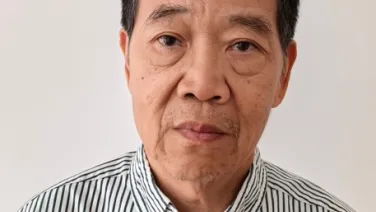
Shou-Wei Ding is a Distinguished Fellow in the School of Life Sciences at the Peking University and a Distinguished Professor Emeritus in the Department of Microbiology and Plant Pathology at the University of California, Riverside.
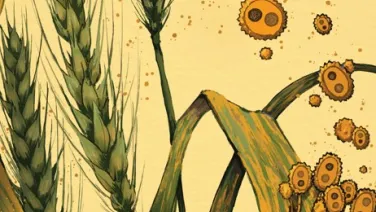
Rust fungi are among the most important groups of plant pathogens, causing substantial losses in agriculture and forestry. Wheat stripe rust, caused by Puccinia striiformis f. sp. tritici (Pst), is a major threat to global wheat production. Its pandemic asexual stage is associated with a dikaryotic genome organisation, in which two distinct haploid nuclei coexist within the same cell. How this unusual genome organisation contributes to its extraordinary capacity for rapid virulence evolution has been challenging to investigate, yet recent advances in long-read sequencing and comparative genomics have enabled these genomes to be studied at detailed nuclear resolution.