
PS Webinar Series: The use of synchrotron X-ray fluorescence microscopy to study the “battle for nutrients” between plant and pathogen
Metal homeostasis is essential to normal plant growth and development. The balance is potentially impacted during plant-pathogen interactions as the host and pathogen compete for the same nutrients.
Speakers
Event series
Content navigation
Description
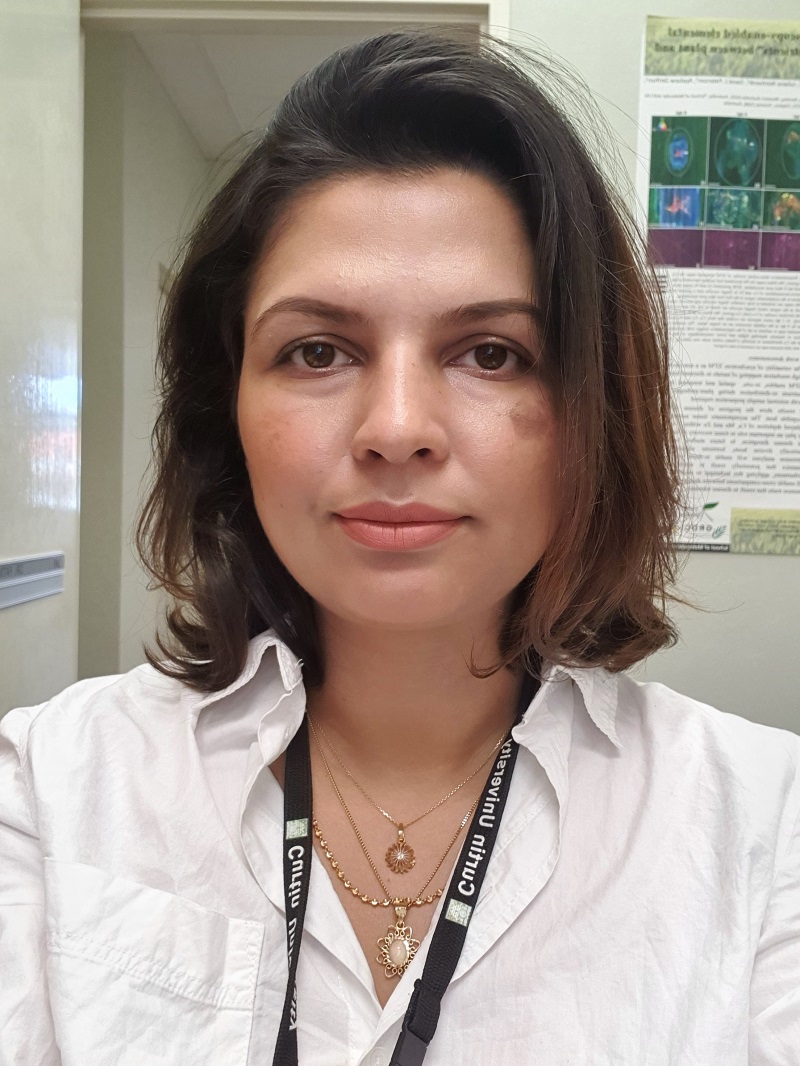
Abstract - Metal homeostasis is essential to normal plant growth and development. The balance is potentially impacted during plant-pathogen interactions as the host and pathogen compete for the same nutrients. Our knowledge of outcome of the interaction in terms of metal homeostasis is still limited. In my talk, I will focus on the use of ANSTO Australian synchrotron X-ray fluorescence microscopy (XFM) that enabled visualisation and analysis of the fate of nutrients in infected wheat leaves. We employed XFM for a detailed time-course of nutrient re-distribution in wheat leaves infected with a devastating fungal pathogen, Pyrenophora tritici-repentis (Ptr), to (i) evaluate the utility of XFM for spatially mapping the essential mineral nutrients in wheat leaves at sub-micron level, and (ii) examine the spatiotemporal impact of a necrotrophic fungus on nutrient re-distribution in wheat leaves.
Biography - Dr Fatima Naim is a project leader at the Centre for Crop and Disease Management (CCDM) at Curtin University. She is a passionate individual with diverse skillsets in agricultural science, including application of analytical chemistry, molecular biology and genomics. Dr Naim holds a BSc (Genetics and Chemistry, UWA), an honours in chemical education, industry experience as a chemist at ALS and CSIRO Minerals and a PhD on metabolic engineering of lipid pathways in seeds and leaves (CSIRO and the University of Sydney). This was followed by completion of postdoctoral training at QUT (2014-2019) developing tools for efficient gene editing in plants and relocation to Perth in 2019 to lead a CCDM foundation project on physiological impacts of fungal diseases.
Location
When: Mar 31, 2021 12:00 PM Canberra, Melbourne, Sydney
Please click the link below to join the webinar:
https://anu.zoom.us/j/89148077690?pwd=VDRHZzE2NUh5cWVYM0pkU2YzVjAzUT09
Webinar ID: 891 4807 7690
Passcode: 748102
Upcoming events in this series

Plants detect invading pathogens using immune receptors that are located both inside the cell and at its surface. Structural and biochemical studies have transformed our understanding of how intracellular immune receptors recognise effector proteins secreted by pathogens. But far less is known about how plant cell-surface receptors recognise effectors in the apoplast – the space outside the plant cell where many fungal pathogens colonise their hosts.