
PS Seminar Series: Plant Ca2+-electrical signaling - Light-gate channels optogenetics break new grounds
Cytosolic Ca2+ signals and changes in pH are universal signaling elements that couple a wide range of stimuli to their characteristic responses in plants. Despite decades of intensive research, it is still poorly understood.
Speakers
Event series
Content navigation
Description

Abstract: Cytosolic Ca2+ signals and changes in pH are universal signaling elements that couple a wide range of stimuli to their characteristic responses in plants. Despite decades of intensive research, it is still poorly understood. The failure to tackle both problems is mainly due to our inability to trigger defined changes in cytosolic Ca2+ concentration, without provoking changes in plasma membrane electrical properties. We made a game-changing ion channel optogenetics to work in plants for answering long-standing questions. Using the guard cells as a model, our work reveals novel mechanistic insights into Ca2+-Induced Ca2+ Release (CICR) and how calcium signals generated activate guard cell ion channels and stomatal action in turn. We engineered a new light-gated Ca2+-, H+-, and anion selective ChannelRhodopsin (CHRs) to obtain stable expression in Arabidopsis and tobacco plants. These tools provide us with the unique opportunity to non-invasively induce voltage, Ca2+ and H+ signals in guard cells as well as any plant cell/tissue/organ type of interest. In the seminar it will be documented that CHRs provides for a valuable tool to non-invasively control to plasma membrane proton influx, provoke H+-induced Ca2+ release, and study the interrelation between plant pH and Ca2+ signaling on one side and electrical excitation on the other. Our findings challenge established paradigms relating to the way proton, calcium, and voltage signaling are interconnected in plants and rethink of mechanisms involved.
Biography: Professor Dr. Rainer Hedrich since 1996, he has been chair holder of Molecular Plant Physiology and Biophysics at the Julius-von-Sachs-Institute of Julius-Maximilians-Universität Würz-burg. Hedrich is one of the most cited scientists in the field of plant research (“highly-cited researcher”, Essential Science Indicators) from 2003 on, particularly based on his research on signal transduction mechanisms through ion channels. Over the course of his career, he has received numerous awards, inter alia the Körber European Science Prize (2001). Since 2005, Hedrich has been a member of German National Academy of Sciences Leopoldina. In 2010, Hedrich’s work on carnivorous plants has been encouraged by the European Research Council (ERC) and Koselleck Research Award of the German research foundation DFG.
Location
Eucalyptus Seminar Room,
Rm S205, Level 2,
RN Robertson Building (46)
Upcoming events in this series
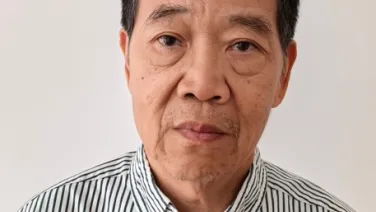
Shou-Wei Ding is a Distinguished Fellow in the School of Life Sciences at the Peking University and a Distinguished Professor Emeritus in the Department of Microbiology and Plant Pathology at the University of California, Riverside.
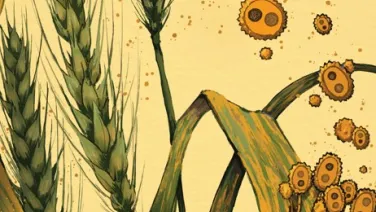
Rust fungi are among the most important groups of plant pathogens, causing substantial losses in agriculture and forestry. Wheat stripe rust, caused by Puccinia striiformis f. sp. tritici (Pst), is a major threat to global wheat production. Its pandemic asexual stage is associated with a dikaryotic genome organisation, in which two distinct haploid nuclei coexist within the same cell. How this unusual genome organisation contributes to its extraordinary capacity for rapid virulence evolution has been challenging to investigate, yet recent advances in long-read sequencing and comparative genomics have enabled these genomes to be studied at detailed nuclear resolution.