
PS Seminar Series - PhD Exit Seminar - Structural investigation of the interaction between SIX effectors and resistance proteins
Fungal pathogens are the main causative agents of disease in plants. Fusarium oxysporum is a diverse fungal pathogen able to infect a wide plant host range.
Speakers
Event series
Content navigation
Description
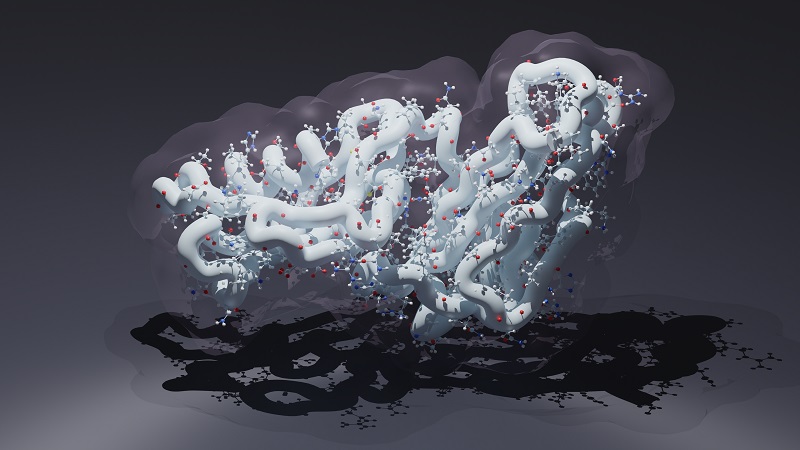
Abstract: Fungal pathogens are the main causative agents of disease in plants. Fusarium oxysporum is a diverse fungal pathogen able to infect a wide plant host range. It causes the disease known as Fusarium wilt that results in large economic losses in many important crop industries worldwide. During colonisation of the xylem vessels, F. oxysporum secrete a suite of virulence proteins known as effectors to promote pathogen virulence. However, effectors in general lack amino acid sequence similarity to proteins of known function hindering accurate structural and functional predictions based on amino acid sequence alone. Some effectors can be recognised by tomato resistance proteins, which results in the initiation of a defence response and disease resistance. The molecular basis of this recognition is also poorly understood. In this project I applied a cross-disciplinary approach involving synthetic biology, structural biology, protein biochemistry and plant biology to characterise effectors from Fusarium oxysporum f. sp. lycopersici (Fol) and recognition by immune receptors. I established a protein production workflow (doi: 10.1094/MPMI-08-21-0218-TA) that ultimately facilitated the elucidation of 4 effector structures from Fol. I was also one of the first to employ AI-based modelling of fungal effectors to understand the structural repertoire of effectors utilised by Fol during infection of tomato (doi: 10.7554/eLife.89280.1). Utilising this information, I will present work that lays the foundation for the engineering of novel immune receptors in tomato and aid future efforts to protect plants against Fusarium wilt disease.
Biography: I started my undergraduate studies at ANU in 2016. During that time, I completed a short research project in the Leyton group investigating the localisation of an autotransporter. My interest in protein biochemistry and structural biology continued when I joined the Williams group for an honours project in 2019, focussing on the structural and functional investigation of a broad-spectrum cell death inducing effector from Fol. I was awarded the AINSE postgraduate research fellowship and continued in the Williams group for my PhD in 2020, maintaining the research focus on structural and functional characterisation of effectors from Fol but broadening the scope to utilise structural biology to understand the molecular basis of plant immunity in the Fol-tomato pathosystem.
Location
Eucalyptus Room, Rm S205, Level 2, RN Robertson Building (46)
Upcoming events in this series

The Purple Tomato is a groundbreaking example of how biotechnology can translate scientific innovation into real-world impact. This talk traces the journey from fundamental plant science and the development of anthocyanin-rich tomatoes to regulatory approval (including Australia), commercialization, and consumer adoption.

For decades, photorespiration was regarded largely as a wasteful process that lowers photosynthetic efficiency. However, growing evidence points to an additional role in plant defence.

Water availability and quality strongly affect plant productivity, with drought and salinity disrupting water uptake and cellular homeostasis. Aquaporins (AQPs) are membrane proteins that facilitate the movement of water and small solutes across cellular membranes. However, the contributions that AQPs make to water-stress responses in wheat (Triticum aestivum) remain poorly understood, leaving a knowledge gap that my research seeks to address.