
PS Seminar Series- PhD Exit seminar - The role of plant water relations in the maintenance of hydraulic function in mangroves
Mangroves provide critical ecosystem services from protection of coastlines and coastal communities, to their role as a carbon sink.
Speakers
Event series
Content navigation
Description
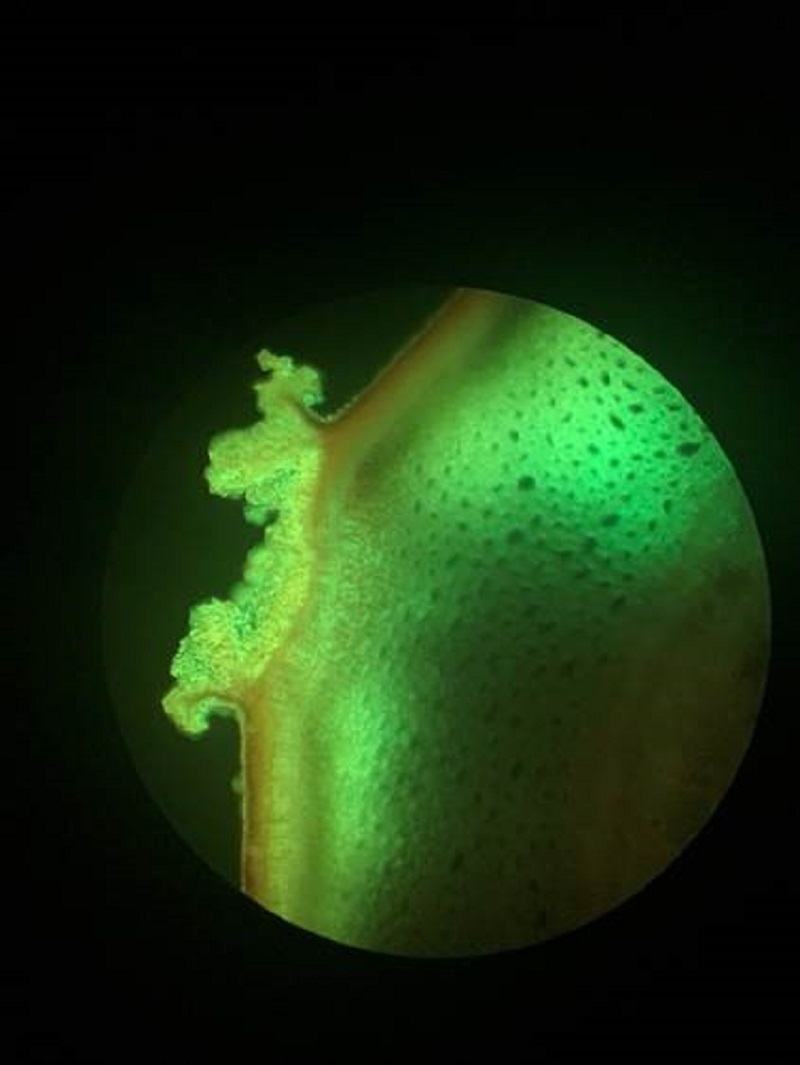
Abstract - Mangroves provide critical ecosystem services from protection of coastlines and coastal communities, to their role as a carbon sink. However, severe drought, heat and rising salinity are causing an increase in large-scale mangrove death. Hydraulic failure, the process whereby the water transport conduits of a plant fill with air leading to severe dehydration, is widely accepted as the key driver of plant mortality during drought. However, evidence suggests that the capacity to recover from drought depends on the maintenance of cellular function in the living components of the stem. Despite this, plasticity in water relations, hydraulic vulnerability and uptake of atmospheric water that underpin the maintenance of plant function during drought remain poorly resolved.
I combined leaf and branch level water relations measures with stem hydraulic vulnerability data in two mangroves growing at high and low salinity to understand how acclimation of mangrove leaf water relations to a severe dry season drought affect leaf water relations in the following dry season, and how branch water relations interact with stem hydraulic vulnerability in mangroves to confer whole plant salinity and drought tolerance. Finally, I combined fluorescent symplastic tracer dye and micro-computed tomography experiments to test for bark water uptake in mangrove stems. Notably, I identify a novel role for lenticels as a pathway for bark water uptake.
Bio - I often say that I fell into plant science, as I never came to ANU intending to study plants. In fact, I arrived intending to study psychology and biology. However, I took my first plant science course and never really looked back. I was lucky enough to connect with Professor Marilyn Ball during an undergraduate research project where she welcomed me into the wonderful world of mangroves, and so began a five and a half year journey from a research project to finishing this PhD, seeking to understand how mangroves interact with their environment. In my honours I investigated foliar water uptake in mangrove leaves. For my PhD I have ventured deeper into the intricacies of water relations within whole branches.
Location
Eucalyptus Seminar Room, S205, Level 2, RN Robertson Building (46)
Upcoming events in this series

The Purple Tomato is a groundbreaking example of how biotechnology can translate scientific innovation into real-world impact. This talk traces the journey from fundamental plant science and the development of anthocyanin-rich tomatoes to regulatory approval (including Australia), commercialization, and consumer adoption.

For decades, photorespiration was regarded largely as a wasteful process that lowers photosynthetic efficiency. However, growing evidence points to an additional role in plant defence.

Water availability and quality strongly affect plant productivity, with drought and salinity disrupting water uptake and cellular homeostasis. Aquaporins (AQPs) are membrane proteins that facilitate the movement of water and small solutes across cellular membranes. However, the contributions that AQPs make to water-stress responses in wheat (Triticum aestivum) remain poorly understood, leaving a knowledge gap that my research seeks to address.