
PS Seminar: PhD Exit Seminar: Metabolic responses to potassium availability and waterlogging in oil palm
Speakers
Event series
Content navigation
Description
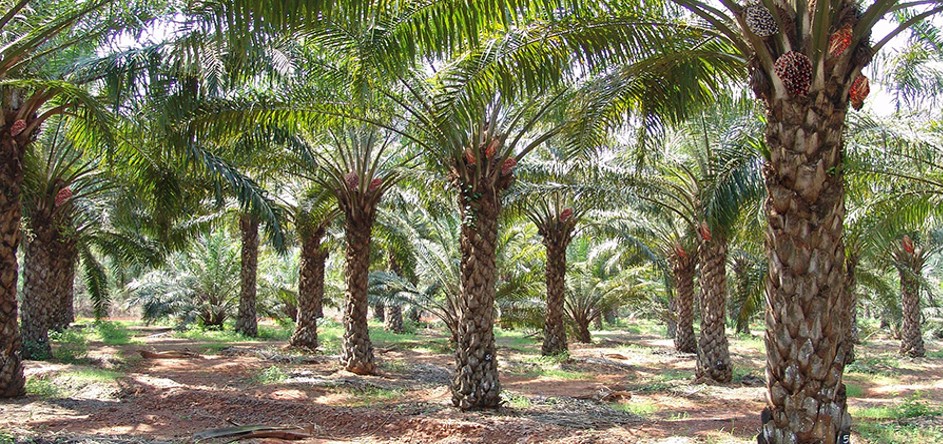
Oil palm is by far the major oil-producing crop at the global scale, with »62 Mt oil produced each year. Although oil palm has been studied for decades for its agronomical aspects, its metabolism is poorly documented. This species is a strong potassium (K)-demanding species cultivated in regions where soil K availability is generally low and waterlogging caused by tropical heavy rains can limit further nutrient absorption. However, the metabolic effects of K and waterlogging have never been assessed precisely. This is very surprising because most tropical or wet areas where rice, sunflower, oil palm and other important crops are cultivated combine these two environmental constraints. The aim of this study was to understand the overall impact of waterlogging and limited K availability on metabolism, and to understand how such advert environmental conditions reshape the carbon balance in oil palm. Here, we examined the metabolic response of oil palm saplings in the greenhouse under controlled conditions (nutrient composition with low or high K availability, with or without waterlogging) using gas exchange, metabolomics and proteomics analyses. Our results show that both low K and waterlogging have a detrimental effect on photosynthesis but clearly stimulate leaf respiration, thereby impacting the carbon use efficiency. Omics analyses show differential accumulation of typical metabolic intermediates and enzymes not only of the Krebs cycle but also of alternative catabolic pathways. In addition, we found a strong relationship between metabolic composition and the rate of leaf dark respiration. Overall, advert environmental conditions (here, low K and waterlogging) have an enormous impact on respiration in oil palm. Leaf metabolome and proteome appear to be good predictors not only of K availability but also of CO2 efflux, and this opens avenues for cultivation biomonitoring using functional genomics technologies.
Location
Jan Anderson Seminar Room, E101A, Level 1, RN Robertson Building (46)
Upcoming events in this series

The Purple Tomato is a groundbreaking example of how biotechnology can translate scientific innovation into real-world impact. This talk traces the journey from fundamental plant science and the development of anthocyanin-rich tomatoes to regulatory approval (including Australia), commercialization, and consumer adoption.

For decades, photorespiration was regarded largely as a wasteful process that lowers photosynthetic efficiency. However, growing evidence points to an additional role in plant defence.

Water availability and quality strongly affect plant productivity, with drought and salinity disrupting water uptake and cellular homeostasis. Aquaporins (AQPs) are membrane proteins that facilitate the movement of water and small solutes across cellular membranes. However, the contributions that AQPs make to water-stress responses in wheat (Triticum aestivum) remain poorly understood, leaving a knowledge gap that my research seeks to address.