
Pregnancy and the evolution of complex traits
Speakers
Event series
Content navigation
Description
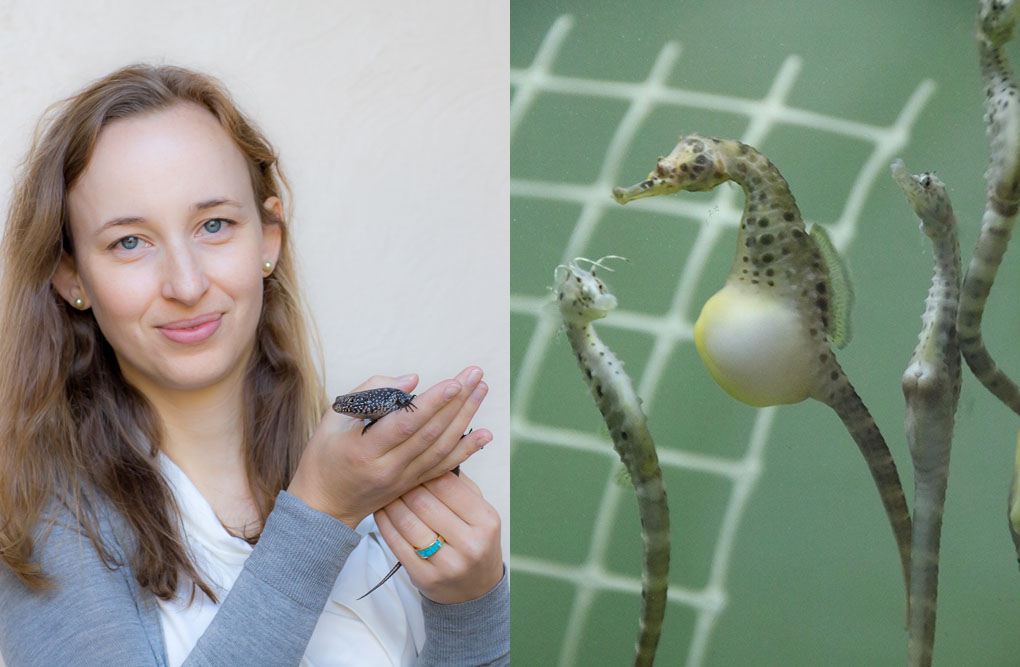
Evolutionary innovations such as eyes, venom, and live birth (viviparity) are dramatic, adaptive novelties that have shaped the evolutionary trajectories of animals. However, their origins are poorly understood because they are produced by the collective action and evolution of thousands of genes. By applying genomic and physiological techniques to a targeted range of animals, my work aims to elucidate the genetic underpinnings of evolutionary innovations and to discover fundamental evolutionary mechanisms. I will discuss our studies of the transition from oviparity (egg laying) to viviparity in reptiles, mammals, and fish. Our work suggests that there are common evolutionary mechanisms that underpin the development of novel traits across divergent species.
Biography
I completed my PhD at the University of Sydney, followed by postdoctoral positions at the University of Zurich and the University of Sydney. I also spent time as a Fulbright Fellow at Washington University. My group’s research focuses on the evolution of pregnancy, funded by a University of Sydney Research Fellowship, L’Oreal-UNESCO for Women in Science Fellowship, and the Australian Research Council.
Location
Eucalyptus Seminar Room (S2.05), Level 2, RN Robertson Building (46), ANU
Upcoming events in this series

Australia’s alpine regions are known for their rapidly changing weather, cold, snowy winters, clear running streams and wonderfully unique biodiversity. However, things won’t be this way forever, with future climates predicted to challenge plant communities through warmer soils, more frequent droughts and heatwaves, and potentially greater exposure to frost as snow cover declines.