
E&E Seminar: Exploring genomic approaches for increasing disease resilience in amphibians
Amphibians in Australia and globally face severe threats by the devastating fungal disease chytridiomycosis. Since this disease cannot be eradicated in the wild, solutions are needed that allow amphibians to survive in its presence.
Speakers
Event series
Content navigation
Description
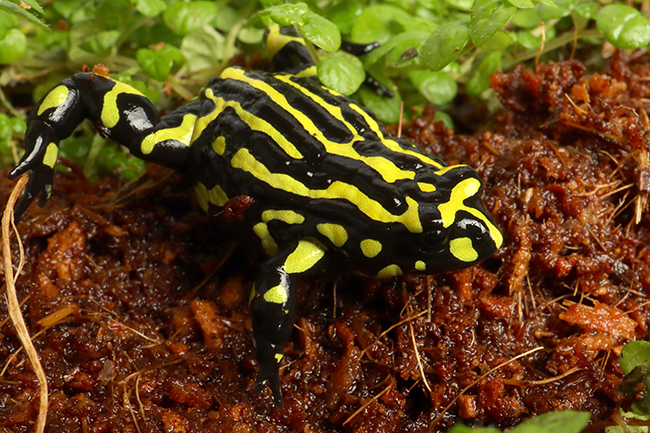
Amphibians in Australia and globally face severe threats by the devastating fungal disease chytridiomycosis. Since this disease cannot be eradicated in the wild, solutions are needed that allow amphibians to survive in its presence. The genomics revolution provides an excellent opportunity to exploit these rapidly developing new tools and resources to increase amphibian disease resilience. My research focuses on using genomic tools to uncover the genetic basis of chytrid resistance and how this insight can be applied through targeted genetic intervention to boost amphibian resilience against the disease. I will also address key considerations and precautions when using genetic intervention for conservation.
Location
Please note: this seminar will be held in the Eucalyptus Rm and via Zoom, details are included below.
Eucalyptus Seminar Room, Rm S205, Level 2, RN Robertson Building (46)
Please click the link below to join the webinar:
https://anu.zoom.us/j/81939145623?pwd=Yk26Sur8KX4nVswlzObsr0J2QHR9Tz.1
Passcode: 335806
Canberra time: please check your local time & date if you are watching from elsewhere.
Upcoming events in this series

Pollinators are essential to plant reproduction, community structure, and ecosystem health, but those inhabiting alpine environments face strong thermal constraints.

Over the course of my PhD, I have had the pleasure of working in Australia's sub-alpine grasslands investigating the effects of heat and drought on plant functioning and carbon cycling.