

July Newsletter: Issue 178
From the Director
Dear All,
After a month of recovery from exams, conference and holiday travel for some and enjoying the Canberra mid-winter temperatures for others, it is nice to see students back on campus for semester 2, especially the new research project and Honours students in RSB. I wish them all an interesting journey with their projects and lots of fun with their discoveries.
In addition to a real fire alarm in RN Robertson, and a planned one in Linnaeus (this time with speedy evacuation, thanks everyone), here have been a lot of activities with our RSB-based centres that you can find in the newsletter: A CBA (Centre for Biodiversity Analysis)-hosted workshop and visit by Peter Crisp and Kimmy Zhang from UQ, Peter being a former RSB student; the Australian Institute of Alpine Studies/Australian Mountain Research Facility Symposium held in July at RSB; new equipment booking systems and instrumentation available from the APPN (Australian Plant Phenomics Network); and release of a SynBio Voucher Scheme for working with the PSBA (Plant SynBiology Australia).
We also had a lot of student research activities over the past month: the three inaugural BioScholars spent their winter break in RSB and enjoyed five weeks of research in different labs; the Danila group hosted plant-science activities for 72 Year 4 students from Lyneham Primary School; and a work experience student discovered the bountiful life of microbes in our RSB kitchen sponges – happy reading of his report.
At the end of August/start of September, our yearly outreach activity with some Tuggeranong Primary Schools will involve a visit by the Governor General and the Minister for Science. You might see them walking around the building with security. Many thanks to everyone working behind the scenes to make this happen, especially Maja Adamska, Angela Chan, Melanie Trinick and the Teaching Lab!
And to send off the winter for another year, please remember to RSVP for the upcoming Potluck Lunch at noon on the 31st of August in front of the Eucalyptus seminar room.
Cheers,
Uli
Welcome
Shijie Geng

Samantha Gunasekera

The van Dooren and Lehane labs are excited to be welcoming Dr Shijie Geng and Dr Samantha Gunasekera to our groups. Shijie recently completed his PhD in Glenn Browning’s group at the University of Melbourne School Veterinary School, studying metabolism in the cattle pathogen Mycoplasma bovis. With our groups, Shijie and Sam will be working on an ARC-funded project that examines how the intracellular parasites Toxoplasma gondii and Plasmodium falciparum adapt to changes in nutrient availability in their environments. We’re excited to see what they find!
Grants Awarded
News
ANU at the International Summer Course on Tropical Biodiversity, Indonesia
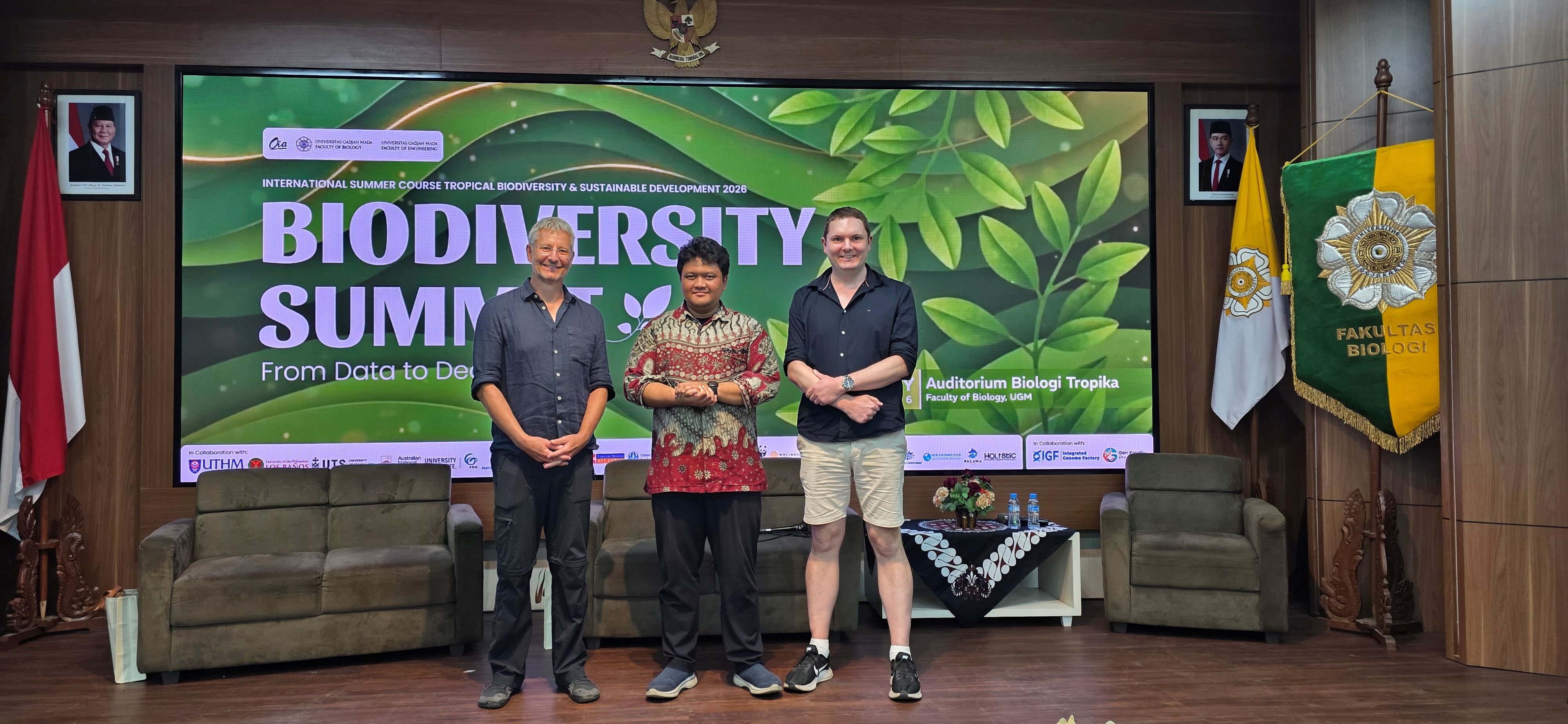
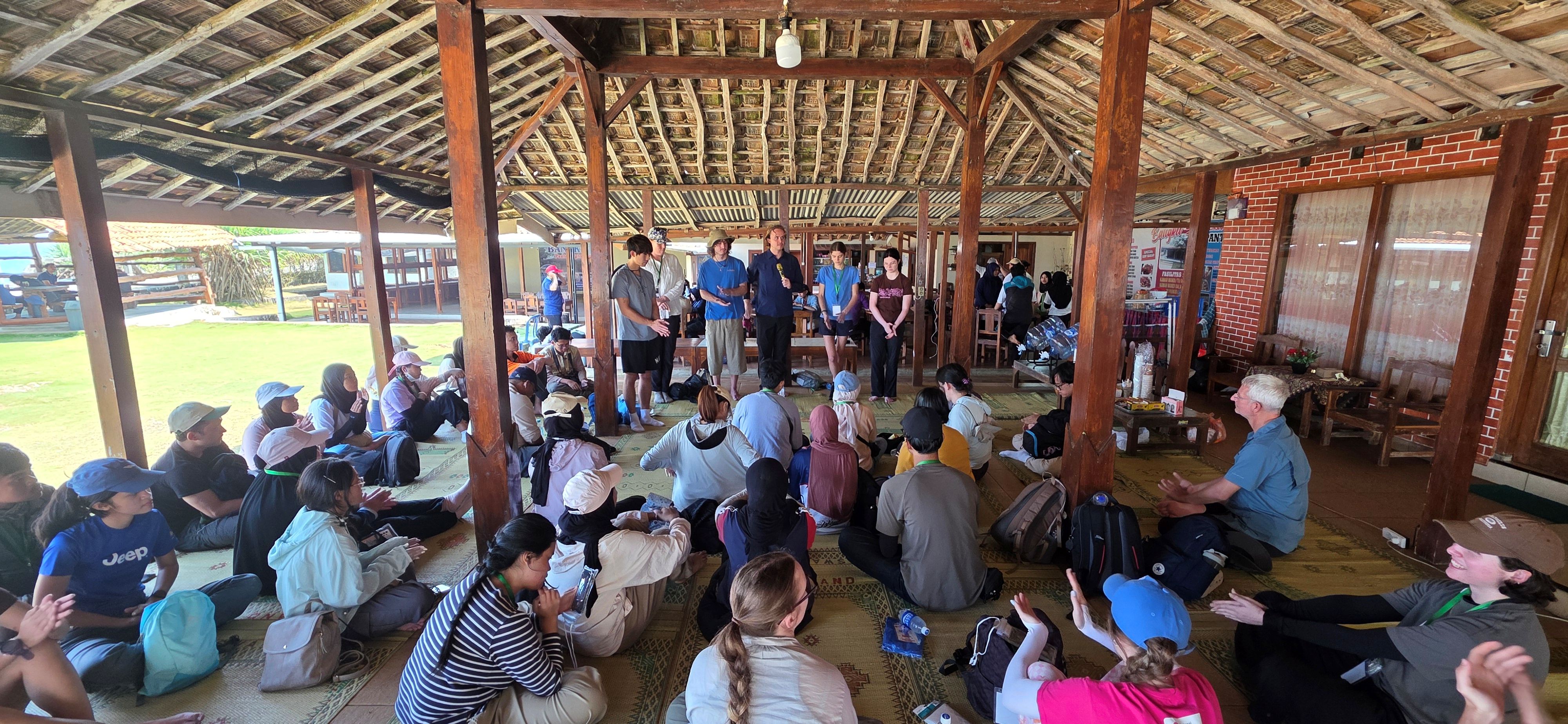
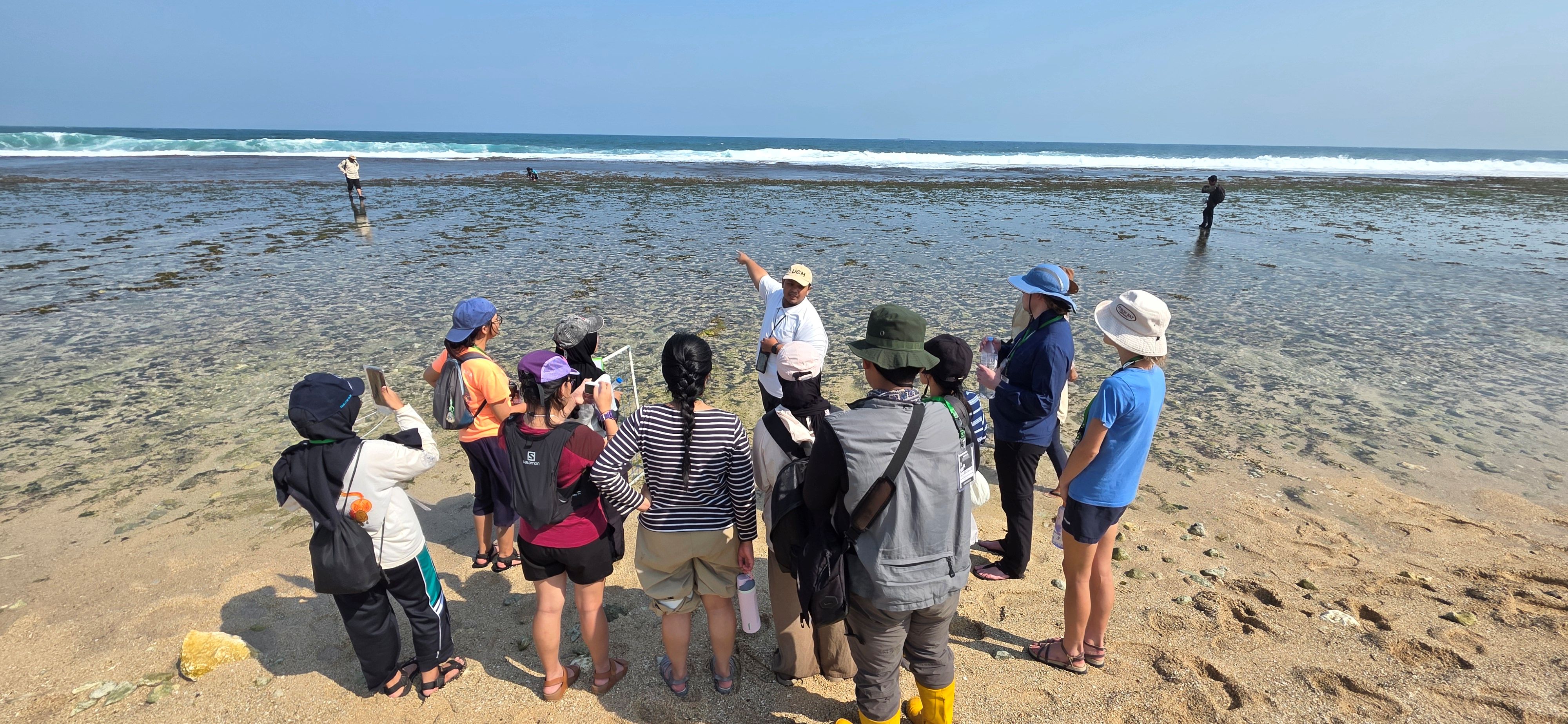
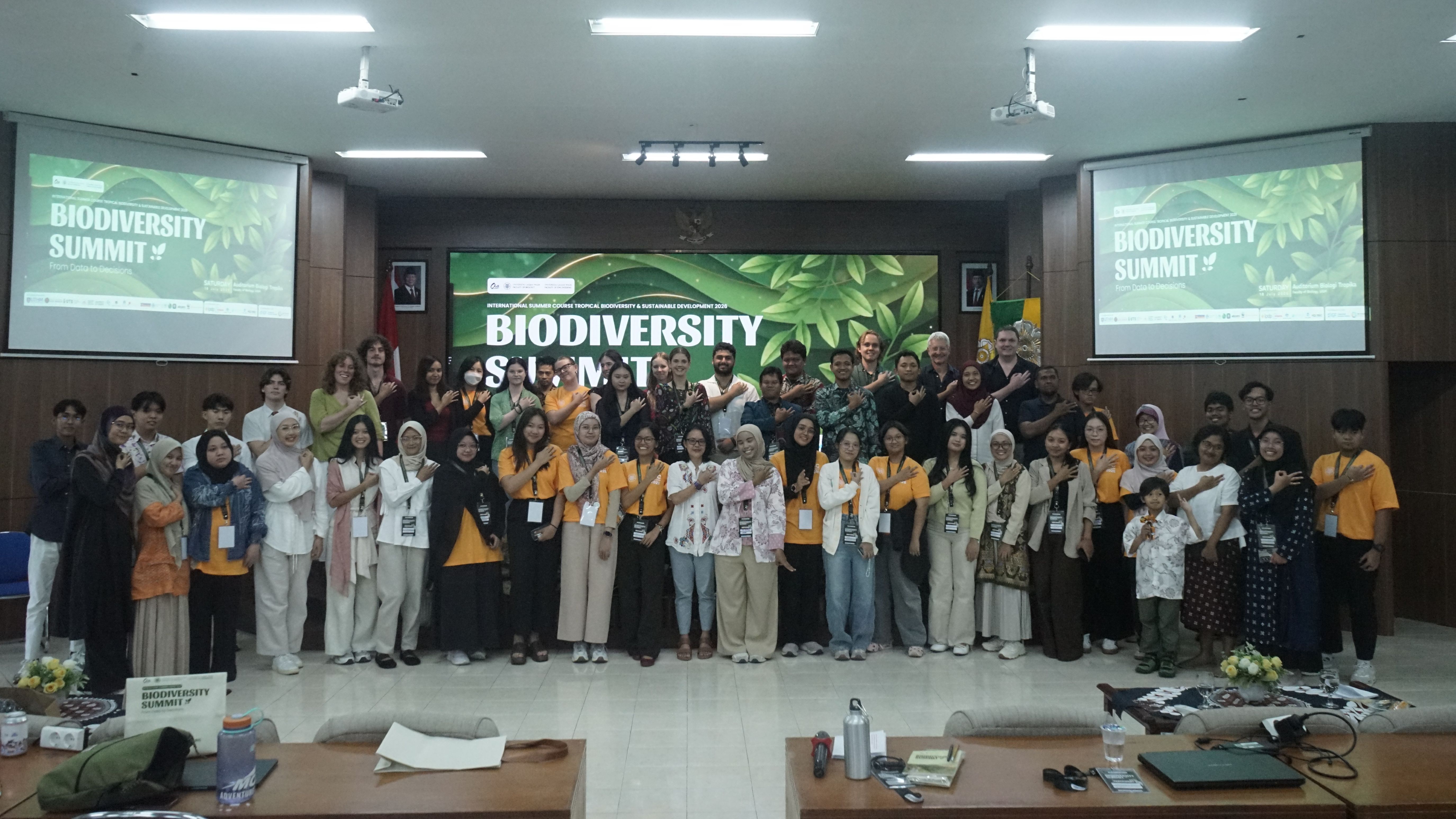
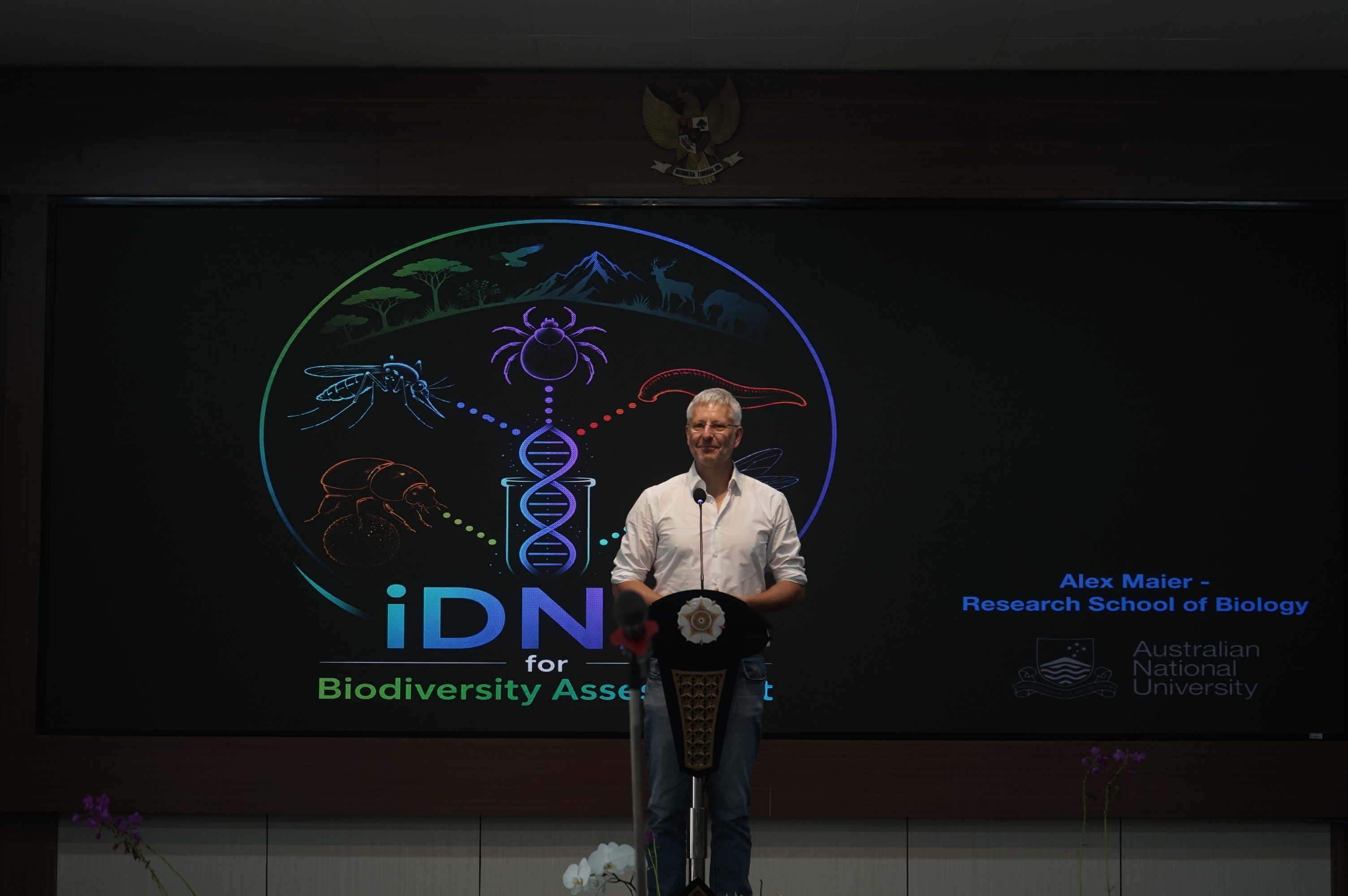
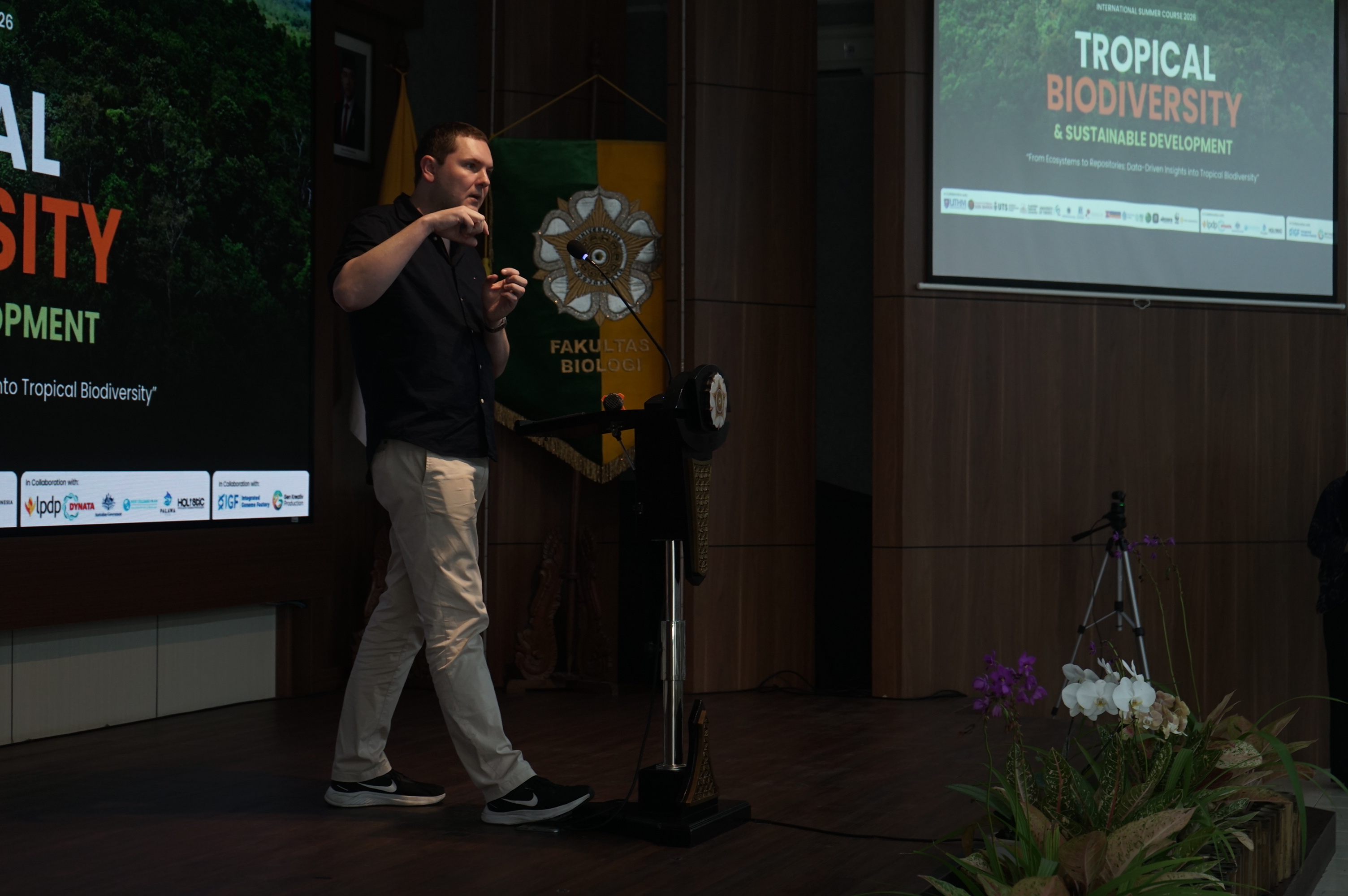
Alex Maier (BSB) and Ashley Jones (Schwessinger Group, PS) recently taught at the International Summer Course (ISC) Biotrop 2026 on Tropical Biodiversity and Sustainable Development, hosted by the Faculty of Biology at Universitas Gadjah Mada in Yogyakarta, Indonesia. The course attracted participants from more than 13 countries and was a great success.
Themed "From Ecosystems to Repositories: Data-Driven Insights into Tropical Biodiversity", the 10-day program combined four days of online and hybrid lectures with six days of onsite activities. Students and early-career researchers moved from field sampling in tropical ecosystems through to data analysis, gaining hands-on experience in DNA sequencing and Geographical Information Systems for biodiversity assessment, conservation, and policy.
RSB BioScholars
During the winter break, the first three RSB BioScholars joined RSB for five weeks of research. Below is some feedback of their experience. Thank you to Lucy Aplin (E&E), Kai Chan (PS) and Florence Danila (PS) for supervising them.
From Lily Tapp:
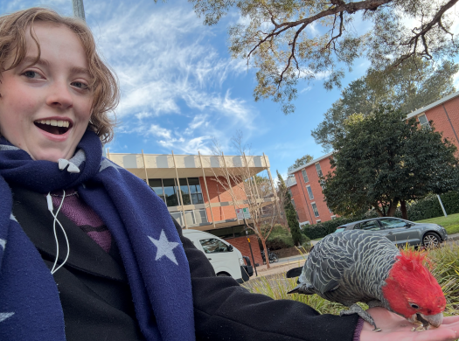
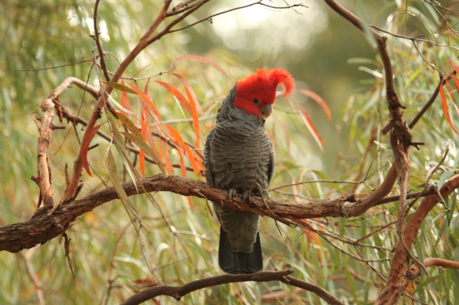
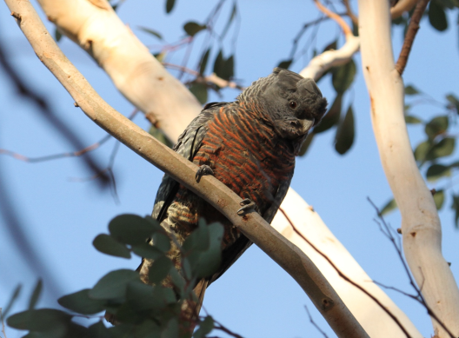
'Hey, I’m Lily and I am one of three 2026 BioScholars! I was continuing a Master’s project started last year in the Aplin group looking at individually identifying Gang-gang Cockatoos (Callocephalon fimbriatum) using a deep learning model. The main goal of this work is to better understand individual-level population dynamics of our iconic but endangered Gang-gangs to better protect and manage their populations. Through the BioScholars program I have been able to further this research and uncover that individuals can be successfully re-identified across years using the same features. While the model struggled to ID the individuals, this is likely resolvable with a larger dataset and some model adjustments that were beyond the scope of this project. This has been such a valuable experience, allowing me to complete fieldwork and data collection alongside lab-based code and modelling work. I feel that I have gained more confidence in my capabilities as a researcher while being able to participate in a project that has valuable, real-world implications. The BioScholars program has been an amazing experience and has left me well-informed for my Honours year in 2027.'
From Keira Kurilowicz:

‘During the break, I had the amazing opportunity to conduct a short research project in the Chan Lab under the supervision of PhD student Riley. This project looked at the evolution of volatile molecular signals in plants across different types of photosynthesis and how their leaf anatomy impacts where these signals are present.
During the project, I was able to use a range of techniques and equipment that I had learnt about in courses but had not used myself, including GC/MS, PCR design and a whole lot of liquid nitrogen. It was a privilege to be able to gain hands-on lab experience and a taste of what future research will look like!’
From Atiya Salman:

‘The BioScholar program was such an amazing and fun experience! It was a great opportunity for me to gain more insight into how research works as well as helped me to develop my confidence in the lab. I was able to see and try so many things that I've only learned about in lectures, which makes me excited to pursue research further.’
International Congress on Photosynthesis Research (ICPR2026)
Among only two keynote lectures at the International Congress on Photosynthesis Research (ICPR2026) in Liverpool, alongside a keynote delivered by a Nobel Prize laureate, Dani Way (PS) presented a compelling vision of how climate change is reshaping the future of the world's forests. In her keynote, Forest photosynthetic responses to climate change: from seedlings to the continent, Dani integrated evidence spanning controlled-environment studies, long-term field experiments, and a Canada-wide tree-ring network to examine how rising atmospheric CO2, warming temperatures, and increasing atmospheric drought influence forest photosynthesis and growth. By connecting responses from boreal seedlings to mature forests across continental scales, her work highlighted the vulnerability of northern forests under future climate conditions and underscored the critical role of photosynthetic acclimation in predicting future carbon cycling and climate feedbacks. The keynote showcased the importance of linking physiological mechanisms with ecosystem-scale processes, demonstrating how advances in photosynthesis research are essential for improving predictions of forest productivity and resilience in a warmer, drier, high-CO2 world.
Yuzhen Fan (Way Group, PS) delivered a keynote at the C4-60: From Kranz to Crops – Celebrating 60 Years of C4 Discovery and Innovation satellite meeting of ICPR2026 in Liverpool. The meeting brought together the international C4 research community to commemorate six decades of C4 photosynthesis research and celebrate the retirement and scientific legacy of Professor Rowan Sage, one of the field’s most influential pioneers. In the keynote, Revealing the impacts of C4 photosynthesis on leaf dark respiration, Yuzhen presented a synthesis of work examining how the evolution of C4 photosynthesis has reshaped mitochondrial respiration. Drawing on comparative studies spanning multiple independent C4 evolutionary lineages, the presentation demonstrated how C4 evolution alters respiratory substrate use, particularly the utilisation of organic acids during leaf dark respiration, and explored the consequences for respiratory carbon costs. By linking mitochondrial evolution with whole-plant carbon metabolism, the work provides new insights into the role of respiration in C4 plants and has important implications for improving representations of C4 carbon cycling in ecosystem and Earth system models.
Zixiong Zhuang (Way Group, PS) was selected to give a short talk in the concurrent session on Remote and high-throughput phenotyping applications in photosynthesis research at ICPR2026. His talk, High-throughput phenotyping models predict wheat yield across current and future climates, showcased how next-generation phenotyping and machine learning can accelerate wheat breeding for a changing climate. Using two years of experiments spanning 86 Australian wheat lines grown under both current and projected end-of-century climate conditions, the study combined high-throughput imaging technologies with deep-learning models to identify key physiological traits that predict grain yield. The work demonstrated that scalable, sensor-derived phenotypes can accurately predict the performance of previously unseen genotypes across contrasting environments.
Outreach

In July Denisse Layton (BSB) hosted work experience student Harvey Del Gaizo, a Year 11 student from Melba Copland Secondary School, for work experience. His research project involved isolating microorganisms from the Linnaeus building kitchen sponges, which generated incredibly interesting (and gross!) results. A full report is available, given the confronting nature of the results, reader discretion is advised. Bacterial Isolates from Sponges by Harvey Del Gaizo
Danila Group Inspires Young Scientists Through Plant Science Outreach
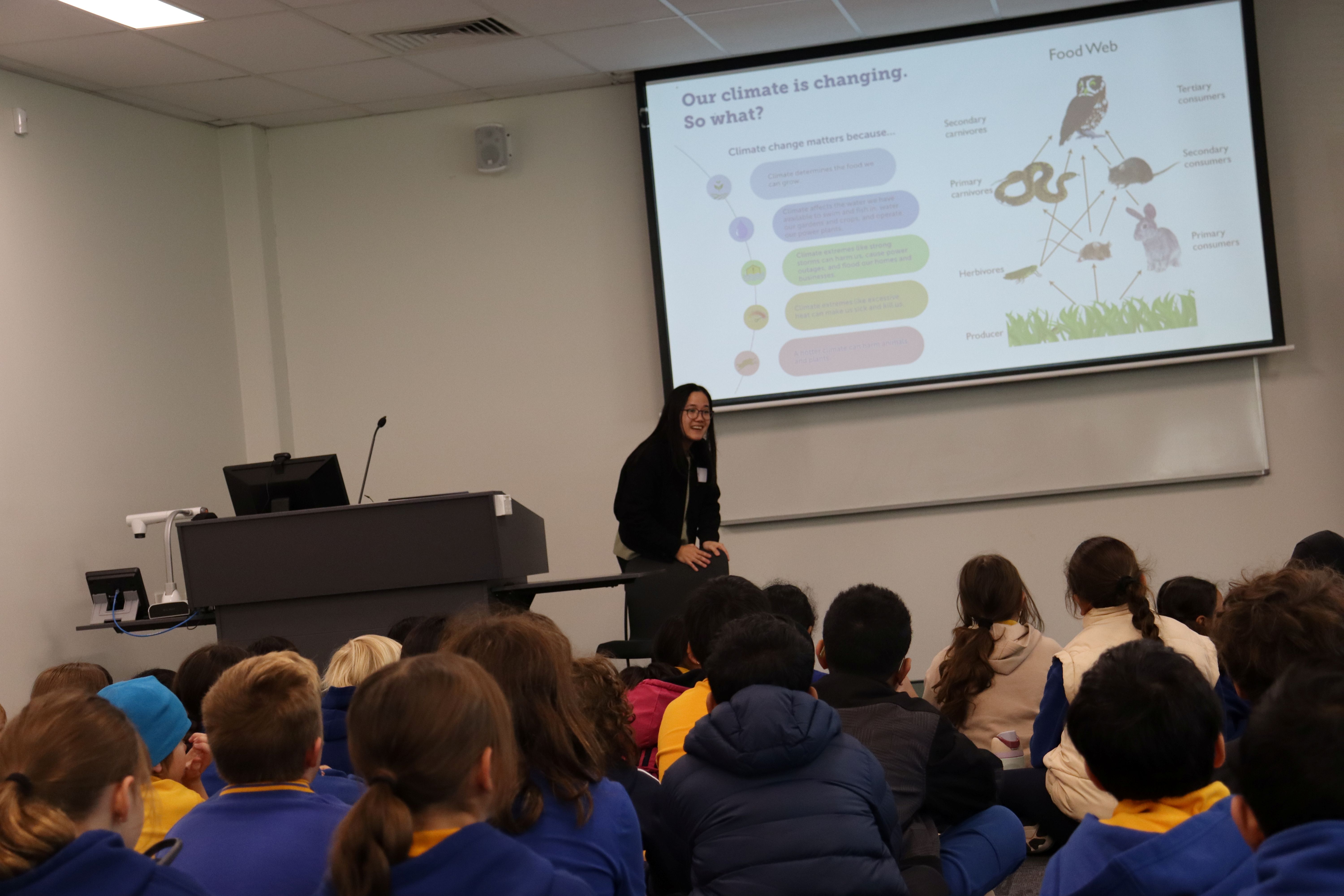
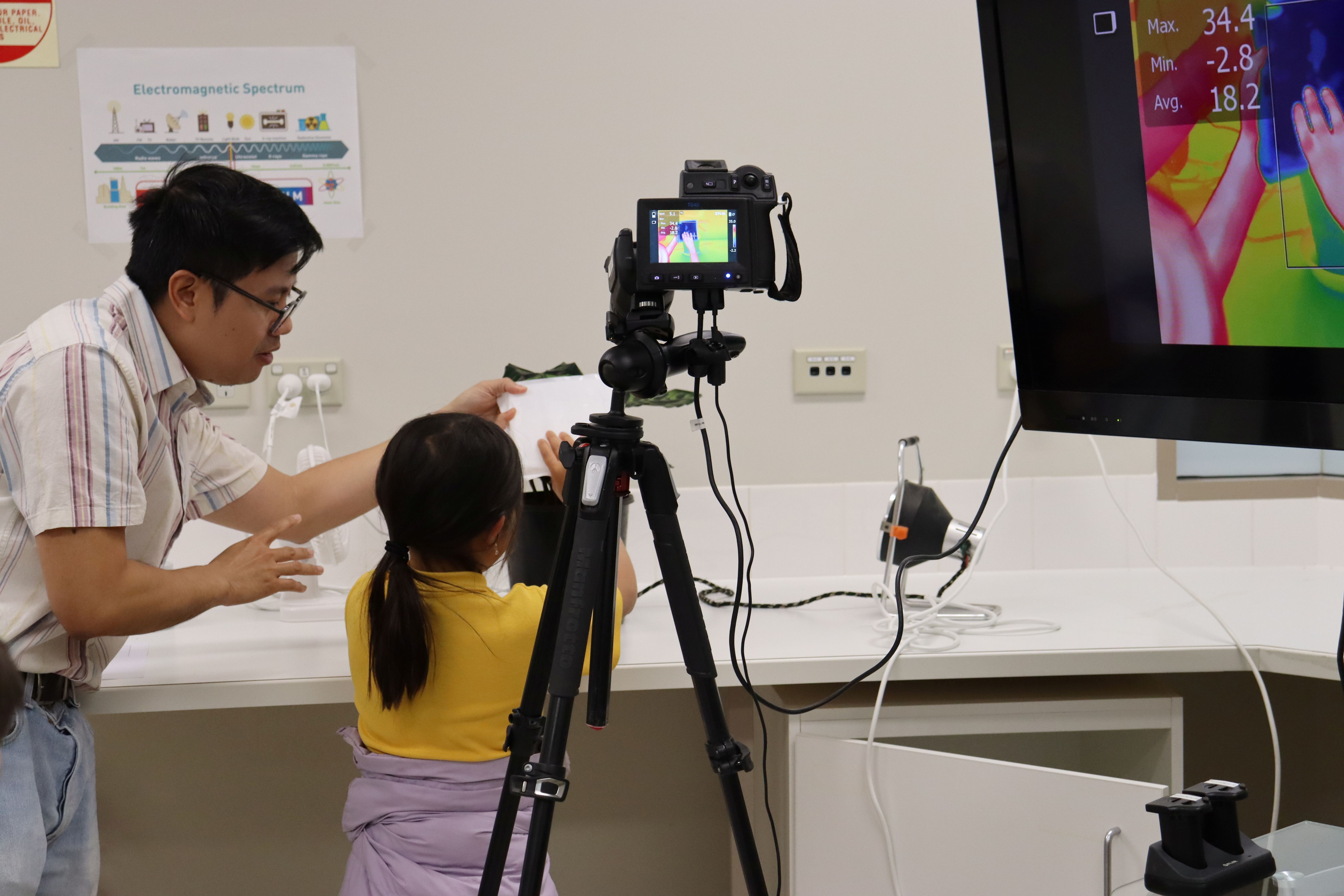
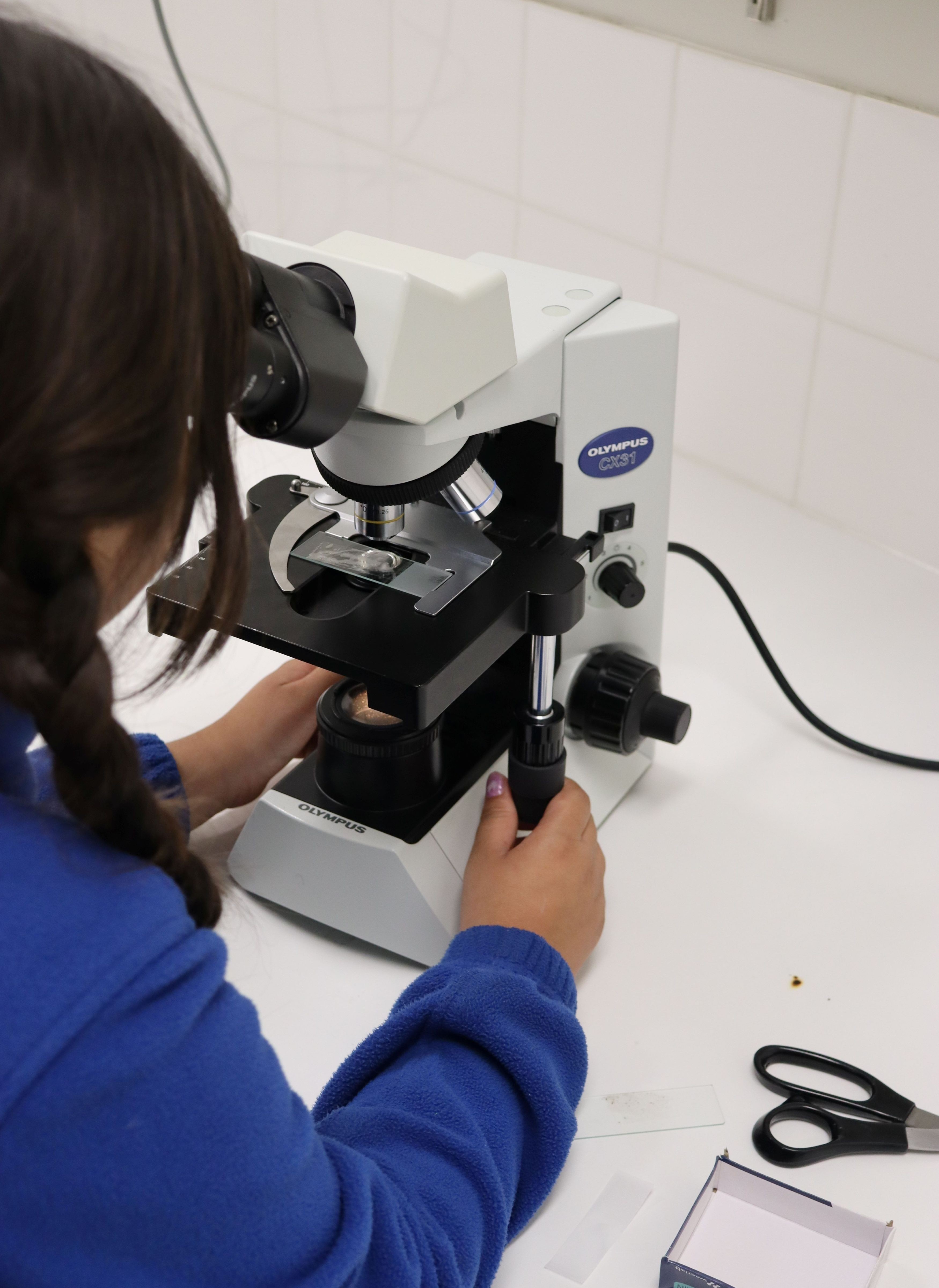
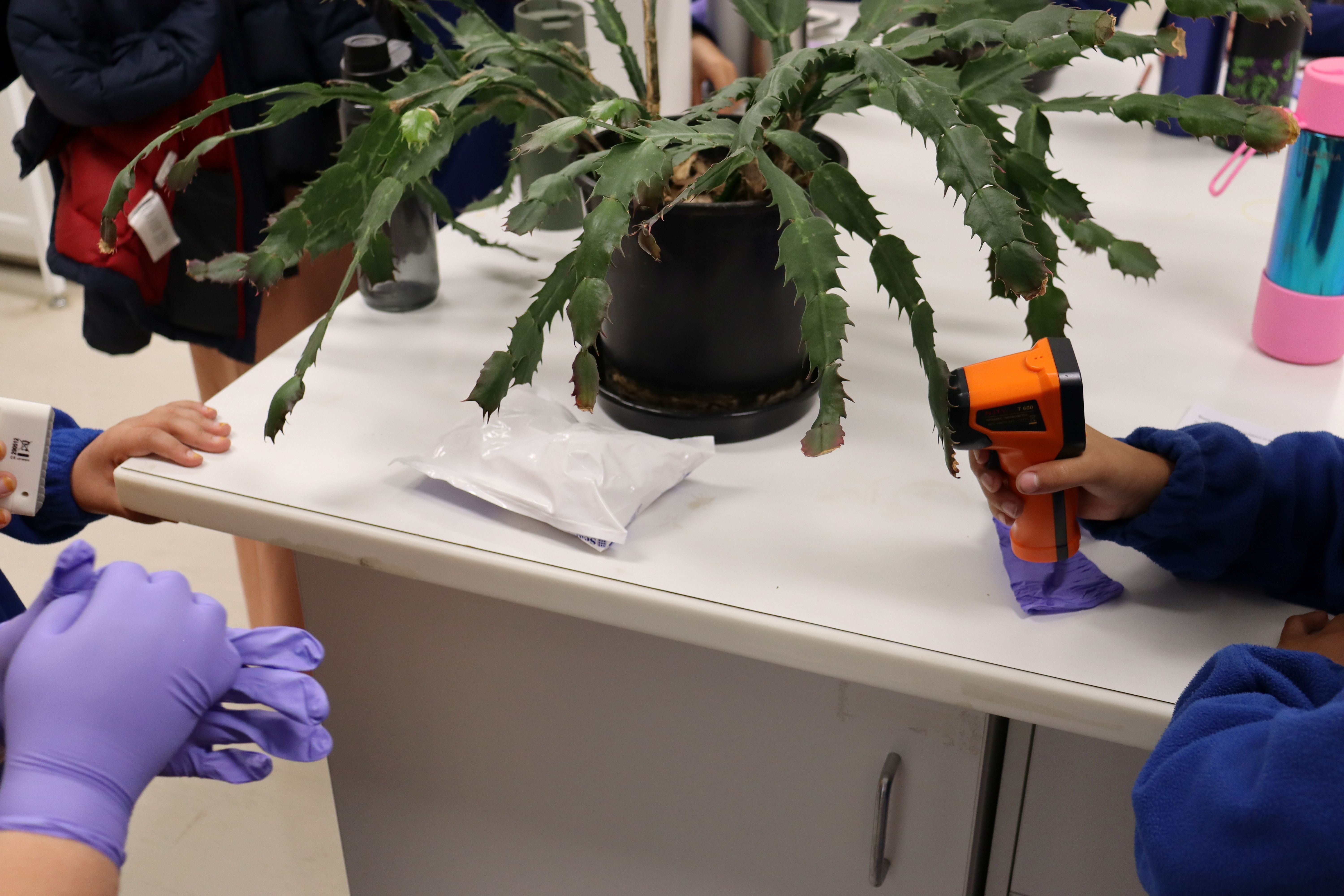
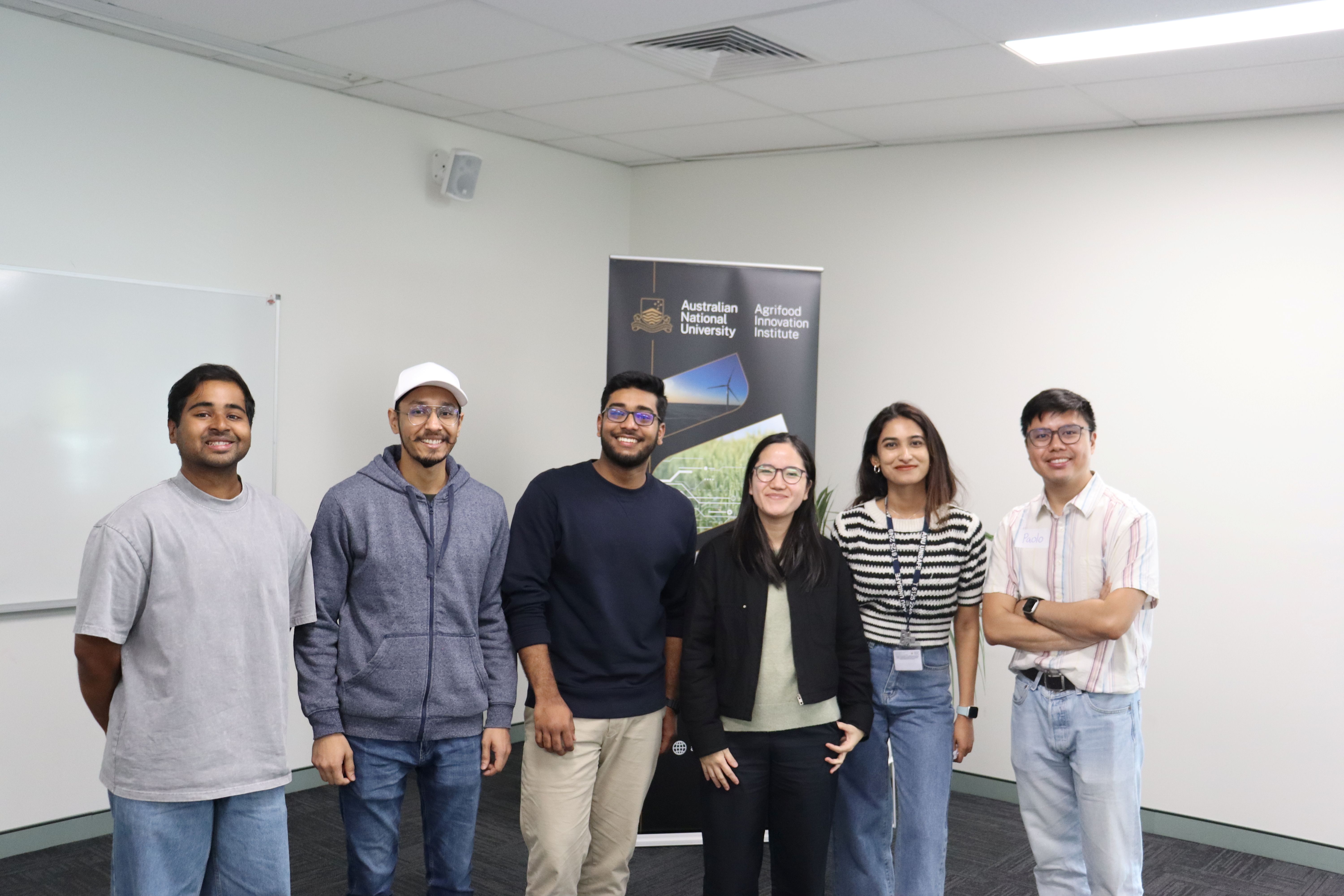
The Danila Group recently welcomed 72 Year 4 students from Lyneham Primary School for an engaging outreach event designed to spark curiosity about plant science. Delivered in collaboration with the Agrifood Innovation Institute (AFII), the program introduced students to how plants respond to their environment through a series of interactive, hands-on activities.
Centred on the theme "Learning How Plants Respond to Different Environments," the program introduced students to plant science through four engaging activity stations. Guided by researchers from the Danila Group, students explored how plants regulate temperature using infrared thermometers and thermal imaging cameras, observed leaf stomata through microscopy, and learnt how environmental conditions influence plant function. The hands-on activities encouraged students to make observations, ask questions and think like scientists while discovering the important role plants play in our everyday lives. The event was equally rewarding for the Danila Lab team, who enjoyed sharing their passion for plant science and seeing the student’s curiosity.
Thanks to the staff, students and volunteers who contributed to making the event a success and looks forward to continuing initiatives that inspire the next generation of scientists.
From the Centre for Biodiversity Analysis (CBA)
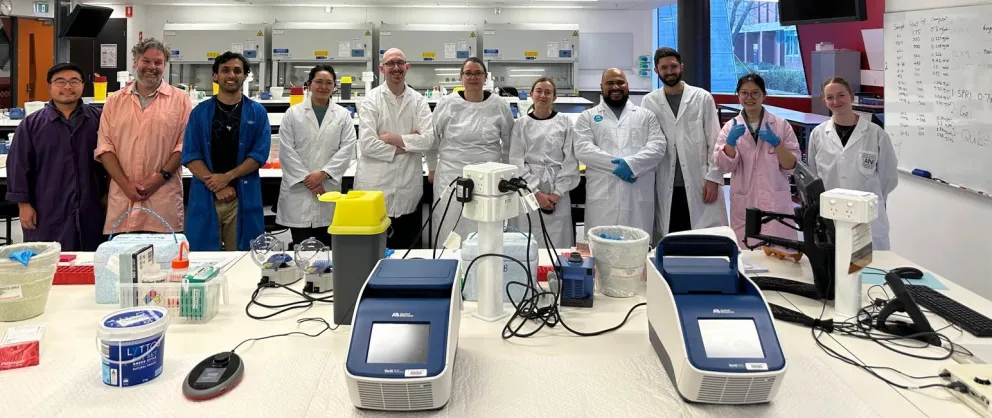
As part of this year's call for CBA Visiting Scientist funding, Diep Ganguly (Nicotra Group, E&E) proposed inviting Peter Crisp and Kimmy Zhang from the University of Queensland whose research focuses on crop functional genomics, epigenetics, and biotechnology, developing groundbreaking technologies for harnessing (epi)genetic variation and decoding genomes.
The CBA welcomed Peter and Kimmy to ANU to present a seminar and workshop which provided early access details and training on their new method, UMR-seq, allowing participants to cost-effectively identify regulatory regions in large genomes.
ANU students and researchers were fortunate to be also joined by those from CSIRO, UQ, and UTS, who worked together to produce UMR-seq libraries on diverse samples, including barley, cotton, stick insects, and waxy bluebells.
Many thanks to Diep for his leadership and hosting Peter and Kimmy, the CBA for their funding, to Claire Stephens (CBA), Niccy Aitken (E&E Technical Services Team), and the BTLC team (especially Yiming Li) for their invaluable assistance in preparing for the workshop, to Pete and Kimmy for their willingness to brave the Canberra winter, and to all the attendees for coming along!
From the Australian Mountain Research Facility (AMRF)

The Australian Institute of Alpine Studies/Australian Mountain Research Facility Symposium, held at the ANU from the 9th to 11th of July, brought together researchers from a diverse range of research disciplines, with the common element being alpine and subalpine environments, to share current research projects and findings. It is also a time for discussion and to create new collaborations and friendships.
A full day of presentations was held on the Thursday with a range of research projects from the vegetation history of Yaouk Swamp in the southern tablelands, to population resilience to climate change in Tasmanian snow skinks. Researchers came from Tasmania, Victoria, NSW and our own local universities to present. Two days of field trips followed with trips to the Aboriginal artworks at Yankee Hat in Namadgi National Park and then to Square Rock and AMRF field sites, also in Namadgi. It was a fantastic event, and we will look forward to the next one.
AMRF Opportunities
AMRF is again running a cadetship programme over the summer (November 2026 to February 2027). Applications open 1st-31st August 2026. We are looking for undergraduate or recently graduated (2026) students who would like to participate in field and lab work in areas of ecological plant research. Visit AMRF Cadetship to view more information and access the application form. Please reach out to Penny if you have any questions: penny.burrell@anu.edu.au
In addition, AMRF is offering a conference attendance and travel support grant for up to $1000 for postgraduates and EMCRs. Application is via a short video demonstrating how AMRF infrastructure, data and/or research support has facilitated your research. Visit AMRF conference attendance and travel support to begin the process. Please contact the AMRF coordinator, Nathan: Nathan.battey@anu.edu.au or Penny: penny.burrell@anu.edu.au, if you have any questions.
Save our Snow Gum Project Update

The third annual in-person meeting for the ARC funded Snow Gum Linkage Project was held at the ANU on the 21st and 22nd of July. We had over 50 attendees from a range of research institutes and land management agencies from Victoria, NSW and the ACT. This was a chance for students and researchers investigating factors contributing towards the decline of Australia’s iconic snow gum to present their findings and for management representatives to provide updates. This was followed by discussions and workshops relating to future objectives of the project. The aim of the meeting is to provide collaboration, research updates and discussions which will inform management strategies with the hope of mitigating snow gum decline.
The meeting was a great success, and we will look forward to the next event in 2027.

We are bidding farewell to Hilary Rose Dawson, a post-doctoral fellow who has been working on the Save our Snow Gum (SOSG) project with our group since 2023. Hilary Rose will be heading to Norway in August to take up a Marie Curie Fellowship. We would like to thank Hilary Rose for her dedication to research and the team and wish her great success in her future career.
From the Australian Plant Phenomics Network (APPN)
APPN-ANU is pleased to announce the launch of a new platform for our equipment bookings: APPN Equipment Booking Dashboard.
From now on, we ask that all equipment booking requests be submitted through this new platform. Existing bookings in the Resource Booker system have already been transferred.
After submitting a booking request, it will be reviewed by our team. We will then generate a quote for the requested rental period and send it to you via email. To confirm your booking, please view and accept. Once accepted, the booking will be entered into our system.
We are also introducing QR code check-in and check-out procedures. Please scan the relevant code and fill in the short form when collecting and returning any APPN equipment from our office space (Linnaeus Building N1.025).
The link to the new booking platform will also be available on the existing Resource Booker system and our RSB webpage.
We appreciate your patience as we transition to this new system. If you require any assistance or would like to provide any feedback, please contact us at appn@anu.edu.au
The APPN-ANU node invites you to join us for an upcoming facility tour at the Australian National University. The tour will showcase our plant growth and phenotyping facilities and provide an opportunity to learn about our capabilities and access arrangements, and to ask questions. Tour numbers are limited to the first 16 people to register.
When and Where
· Wednesday 12 August 10-11am
· Meeting in the foyer of the Linnaeus Building, ANU (134 Linnaeus Way, Acton ACT 2601)
Registration: Tour registration
Places are limited to 16 participants (first come, first served). We plan to run facility tours approximately every two months for those unable to attend this session.
From Plant SynBio Australia (PSBA)
Applications now open for SynBio Voucher Scheme
Applications for the NCRIS Synthetic Biology Voucher Scheme 2026–27 (Round 2) are now open (see links below). The scheme provides an excellent opportunity to access NCRIS SynBio and partner facility capabilities for innovative synthetic biology research projects.
The scheme aims to support projects that address significant scientific challenges by leveraging the expertise and infrastructure available through NCRIS SynBio and NCRIS partner facilities.
Learn more at NCRIS Synthetic Biology voucher scheme 2026-27 (Round 2) - Bioplatforms Australia.
At PSBA, we offer flexible scheduling and workload arrangements tailored to your research needs. Recently, we partnered with a few RSB researchers who secured RSB seed funding for their research needs. We provide a broad range of plant synthetic biology services at highly accessible rates and would be pleased to discuss how we can support your proposed research. If you are considering an application or have an experiment in mind, please feel free to contact any member of our team.