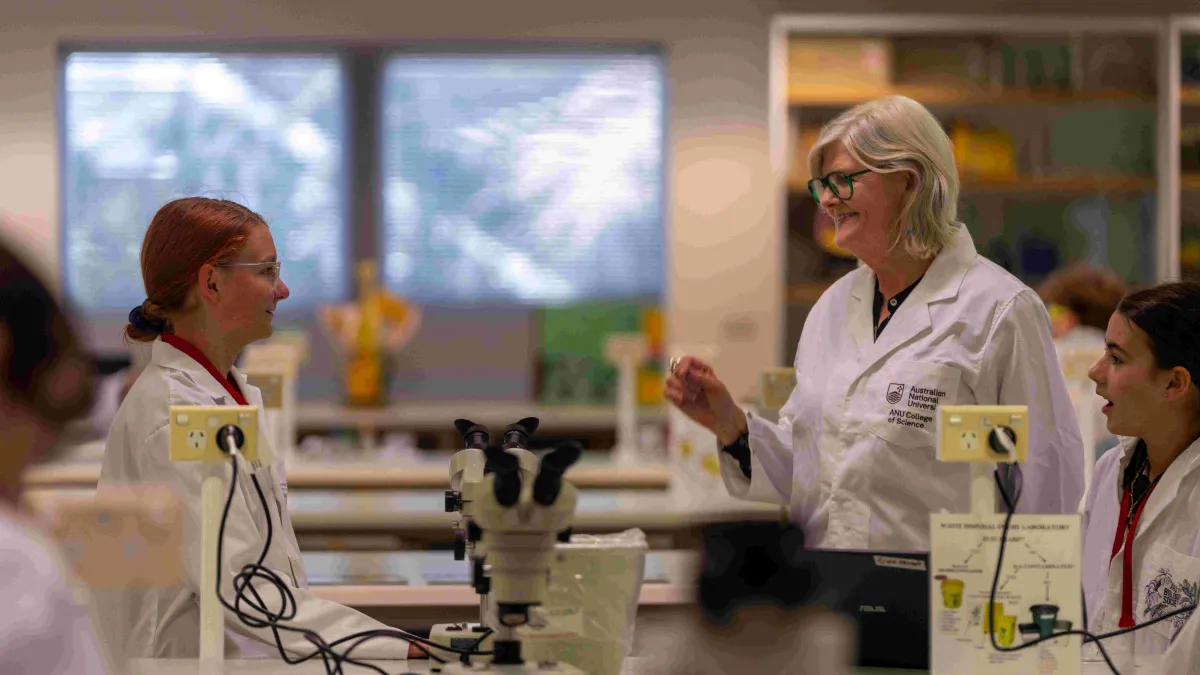
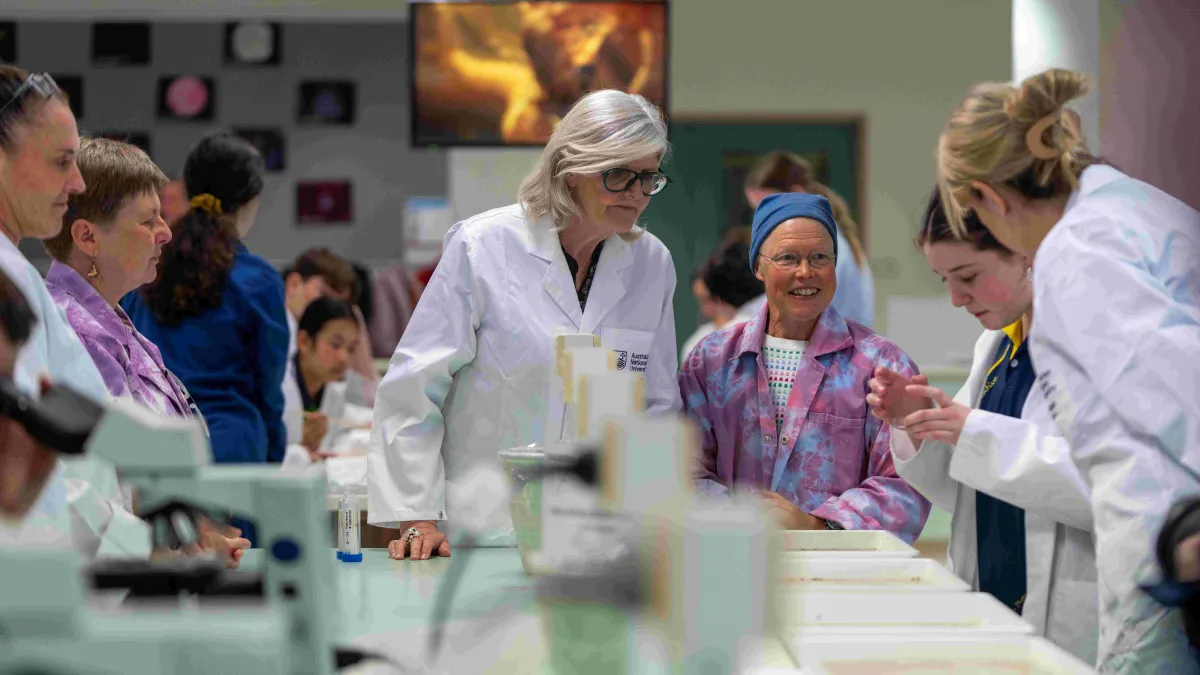
This newsletter is so full of good news, it’s hard to decide where to start. First, a thank you to everyone who hosted the many outreach activities, I know this is a lot of work on top of everything else and takes time, but it is such a great opportunity for the next generation and showcases the diverse research that’s going on in RSB. To top the outreach success off for this year, we had a visit from Her Excellency, the Governor General Sam Mostyn, who very enthusiastically joined a group of primary and high school students in the teaching labs (and said she would be back next year!). Thanks to Angela Chan, Maja Adamska, Melanie Trinick and the whole Teaching lab for making this such a success.
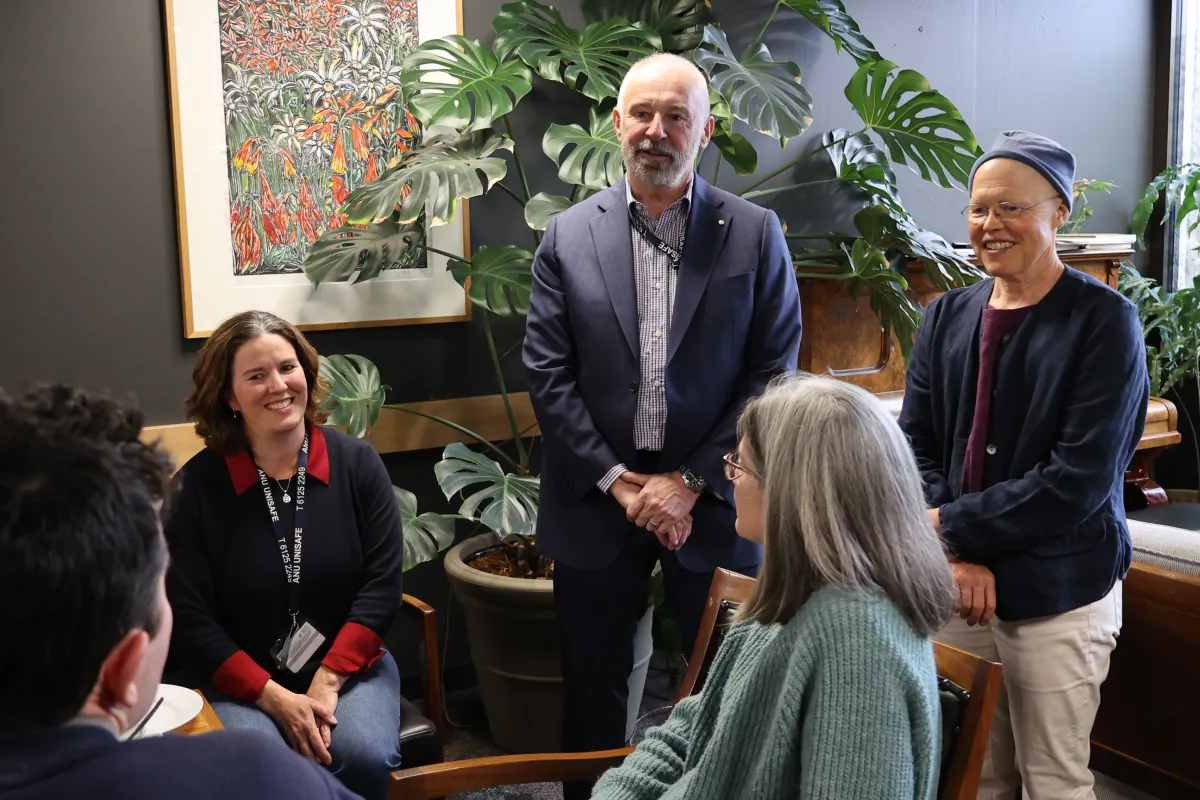
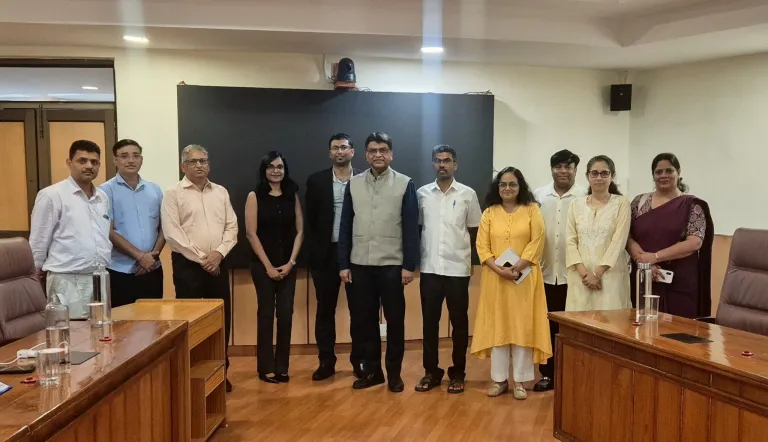
We also had a visit from the new ANU Chancellor, Dr. Gordon de Brouwer, who toured several labs and facilities before joining the School for afternoon tea and questions in September. He showed a genuine interest in our research which was very refreshing! Thank you to everyone who prepared the lab tours on the day (Group Members from the following Labs: Caitlin Byrt, Ben Corry, Ana Sequeira, Graham Farquhar/Isotope lab, Justin Borevitz, as well as Nicky Aitkin and the APPN team)!
Image
Left to right: Kate Osborn (Admin, RSB), Gorden de Brouwer (Chancellor, ANU), Sarah Kaines (DTST, PS), Ulrike Mathesius (Director, RSB)
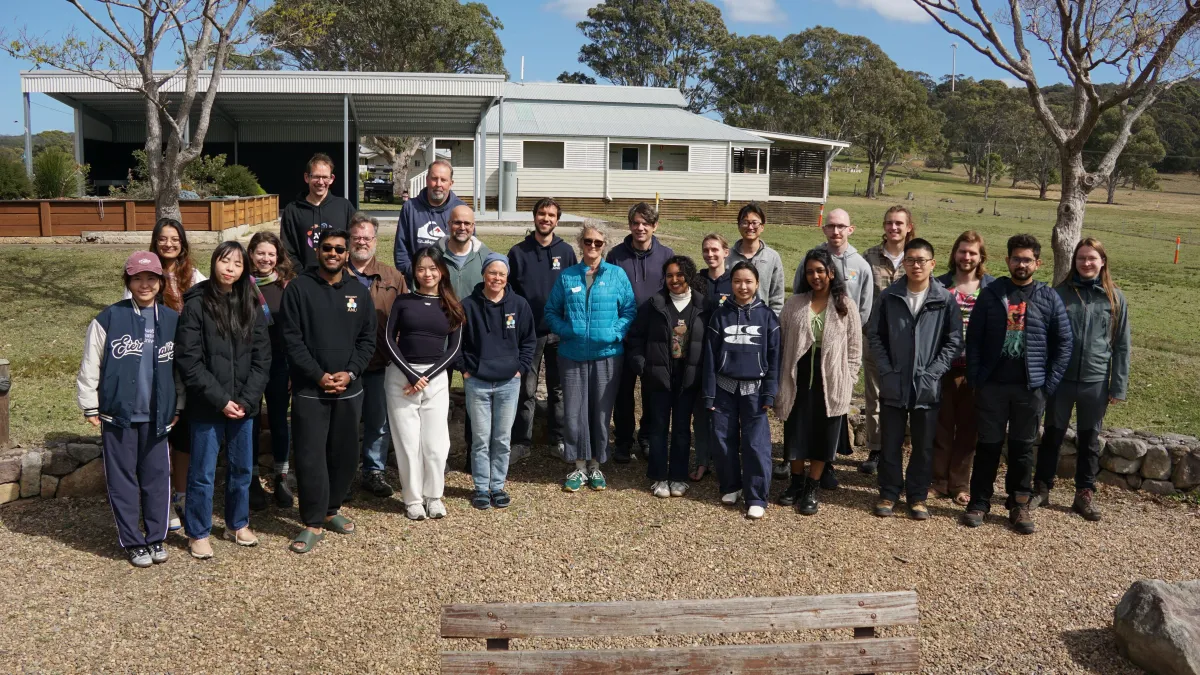
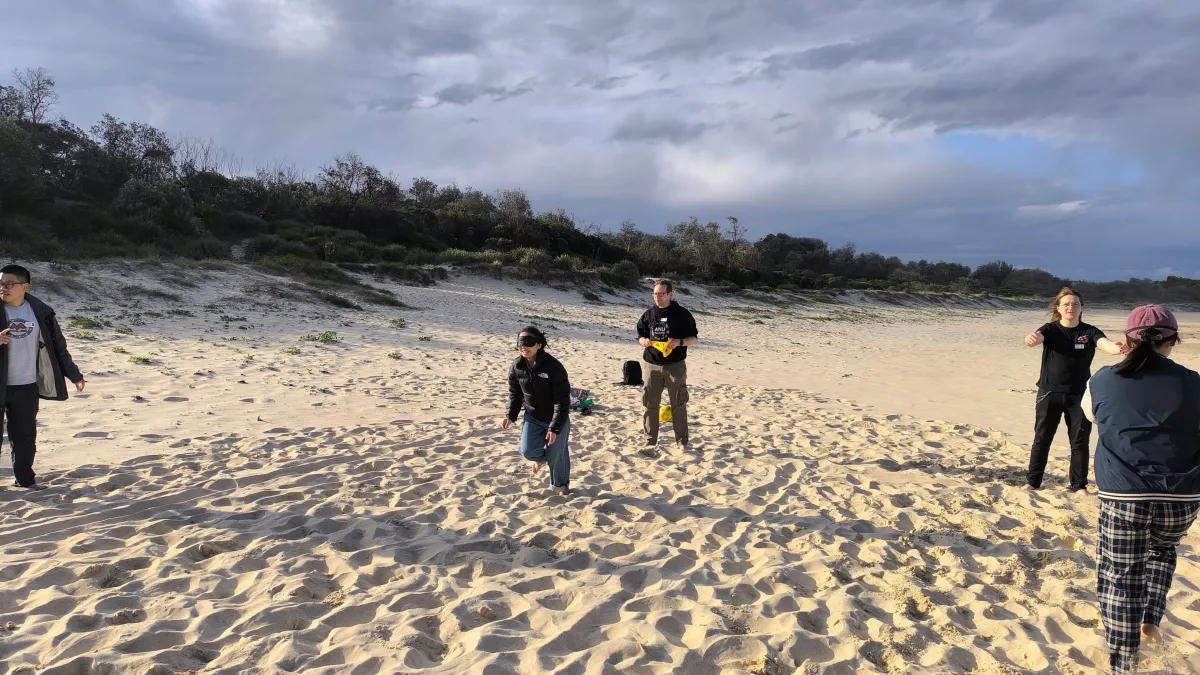
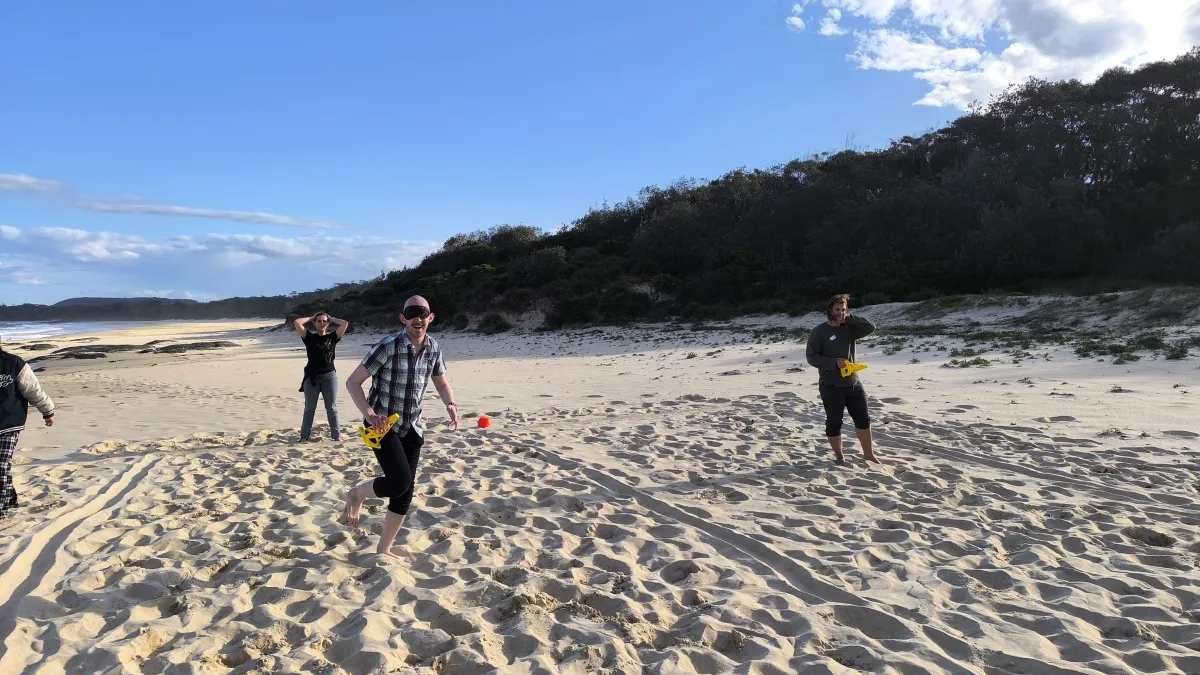
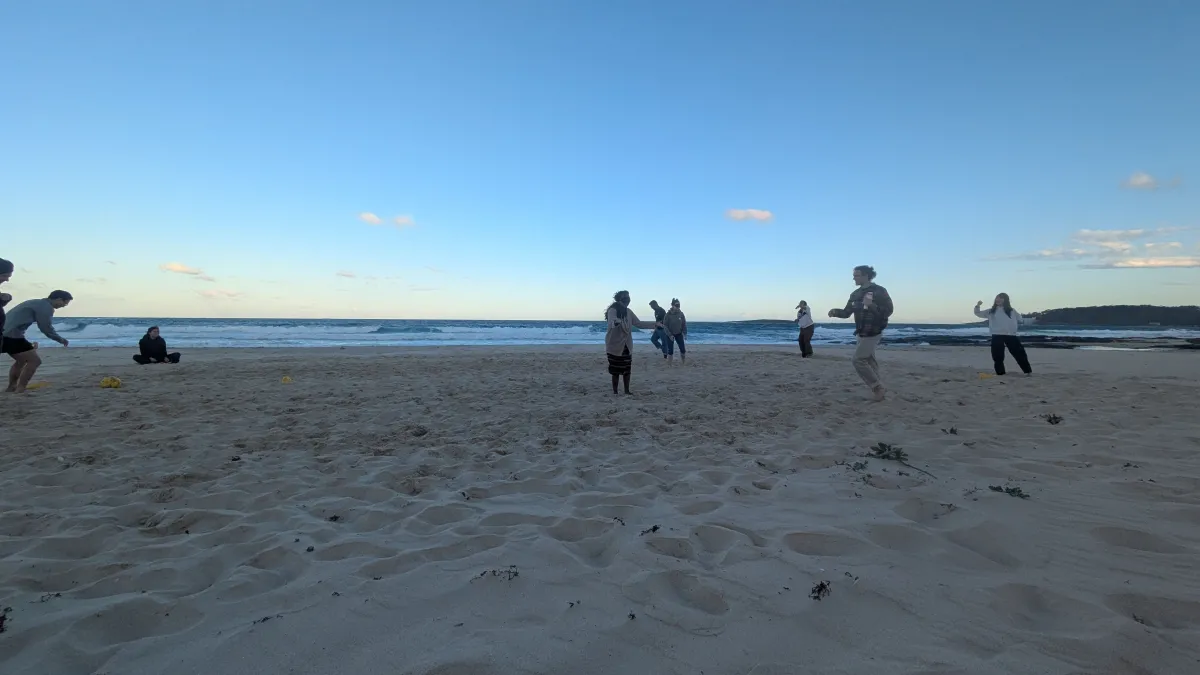
Our first year HDR cohort enjoyed their time at the Kioloa Campus earlier in September, we are lucky to have such a great campus at the coast to get away from Canberra. Thank you to Giel van Dooren and the HDR student reps (please see their names and photos later in the newsletter) for all their work to prepare the retreat, and for everyone else who came to share their wisdom with the students (Adrienne Nicotra, Kevin Saliba, Scott Keogh and Spencer Whitney).
Congratulations to the four Future Fellowship recipients, Andrew Scafaro, Emily Furlong, Lucy Aplin and Piet Arnold. All four will be giving presentations at the upcoming RSB Science Symposium on 3rd November so you can find out about their plans.
And, while not in the newsletter, a big thankyou to everyone who helped with the recent IBC Annual Inspection (PS and BSB Technical Services Teams as well as Darren Marsh, Karim Bolis) and DAFF audit (Sarah Kains, Steph McCaffery, Darren Marsh and George Cavic); again, this is a lot of work that goes on in the background to keep the School running smoothly.
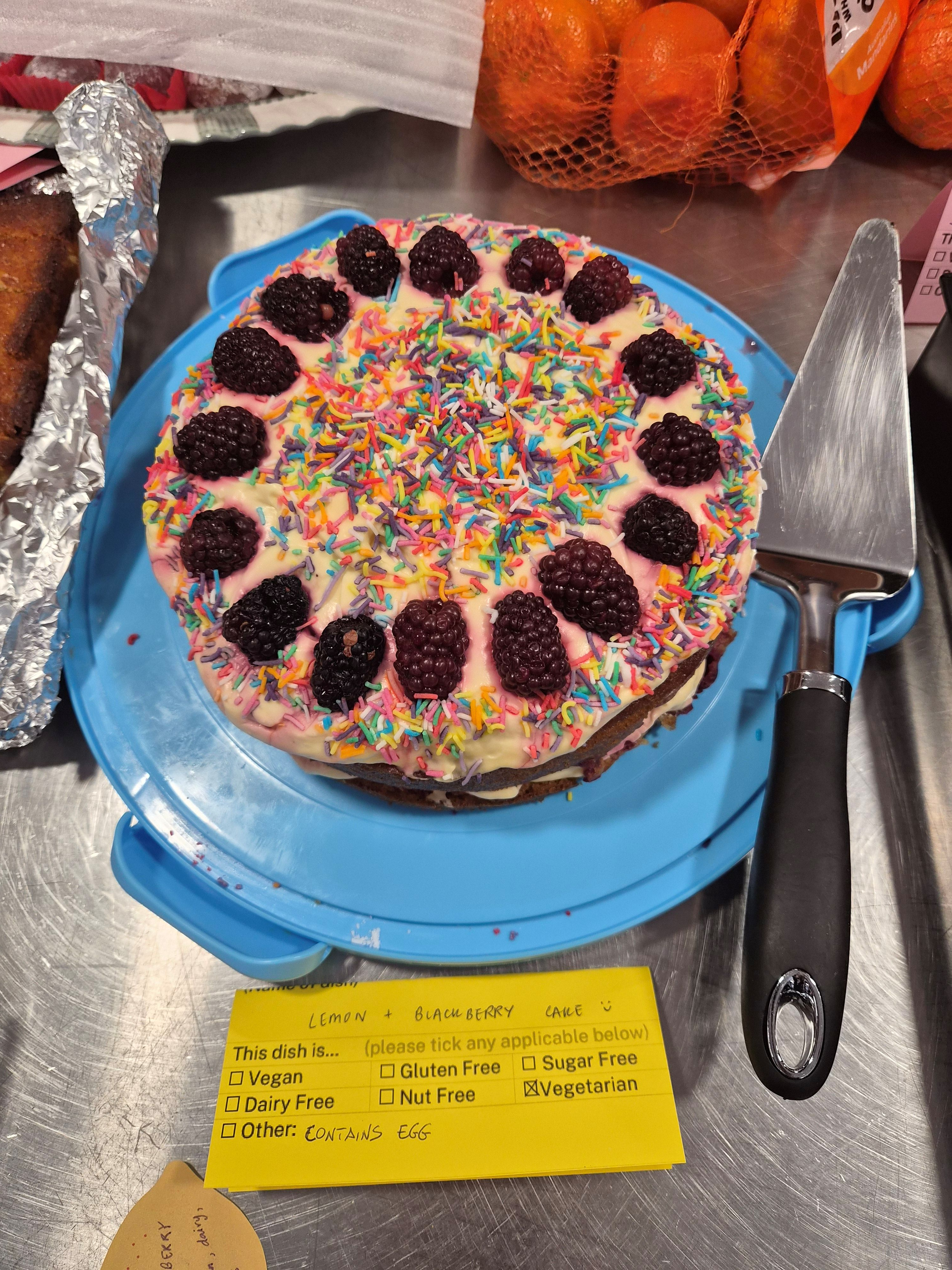
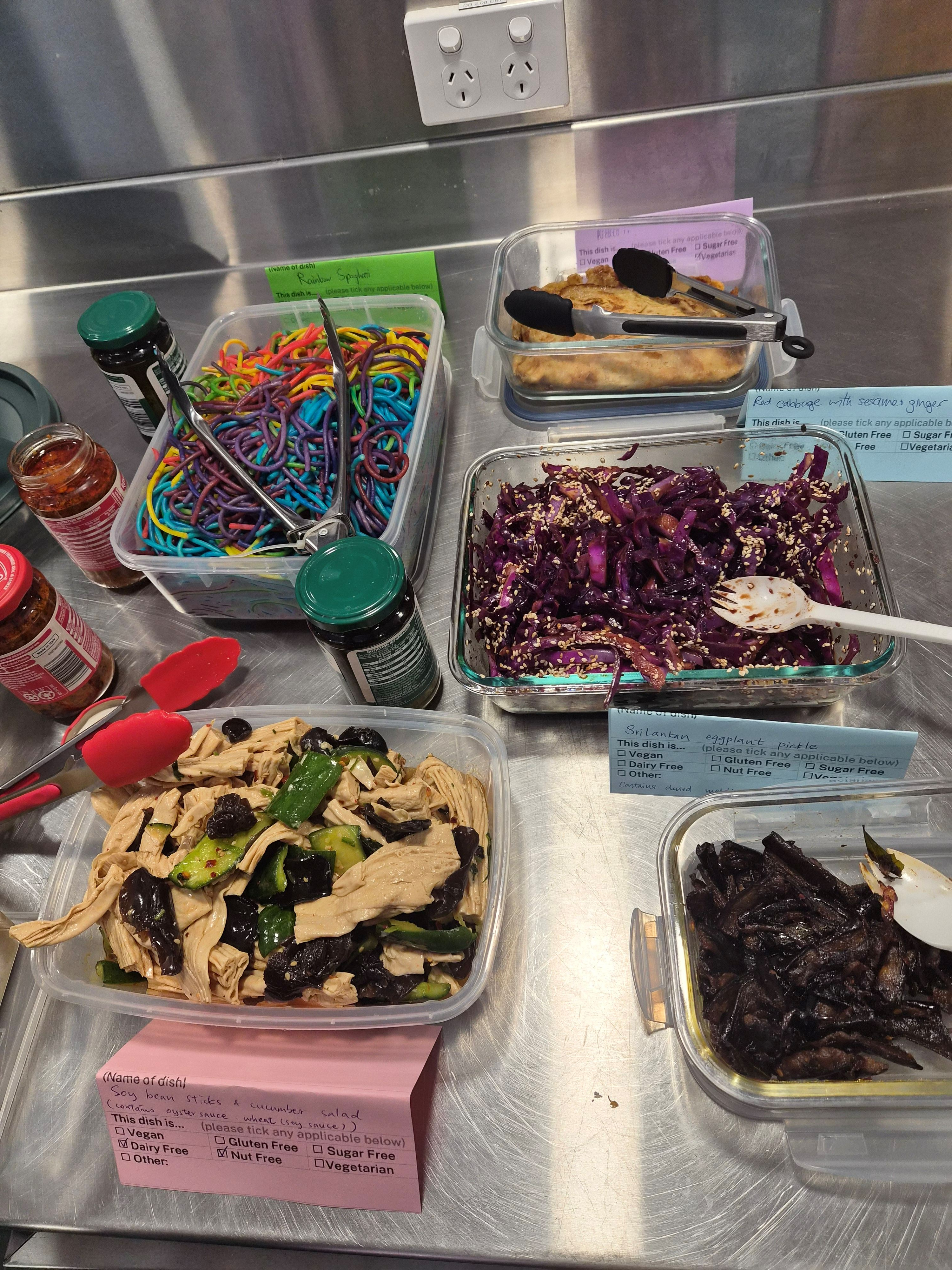
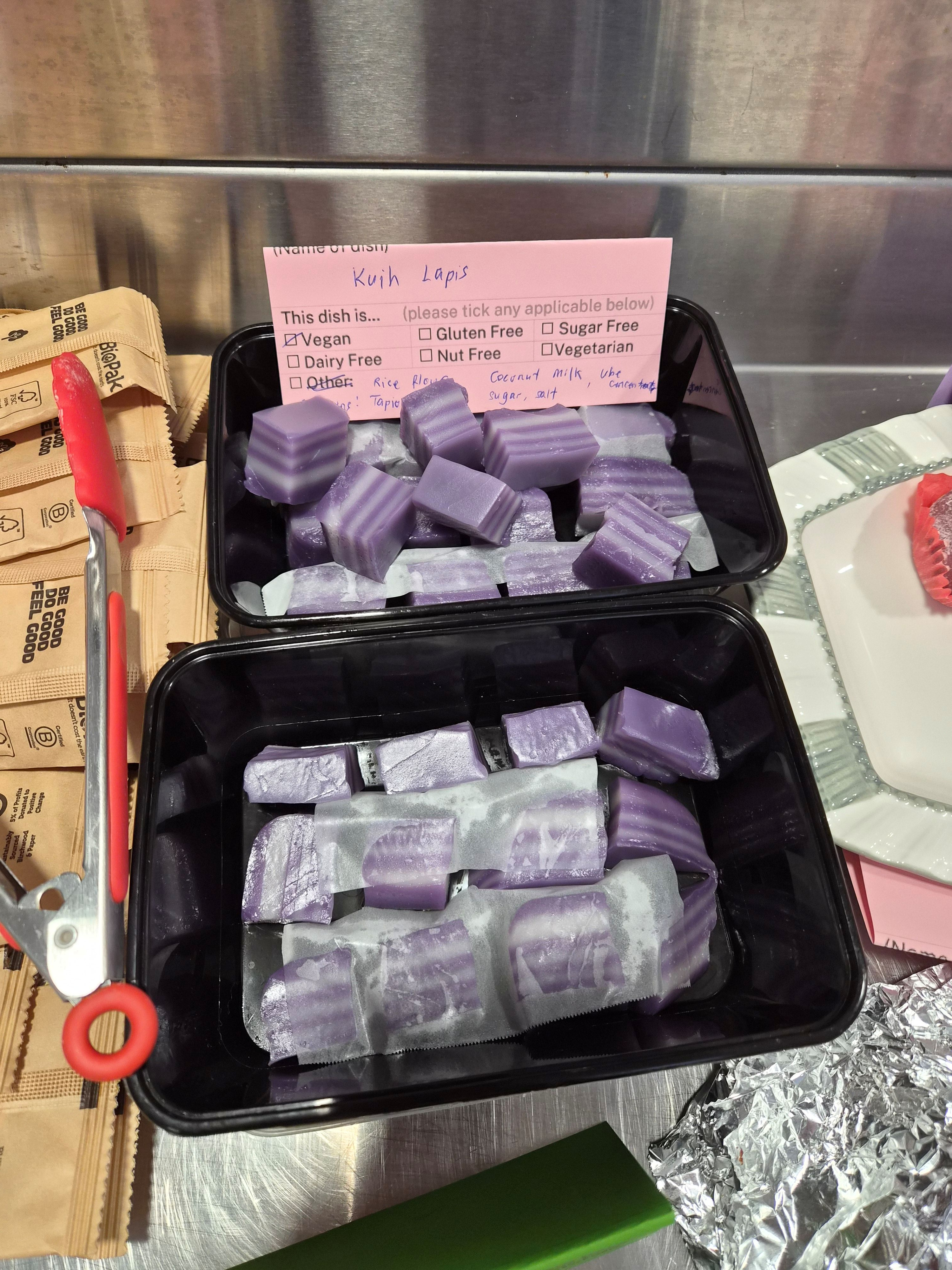
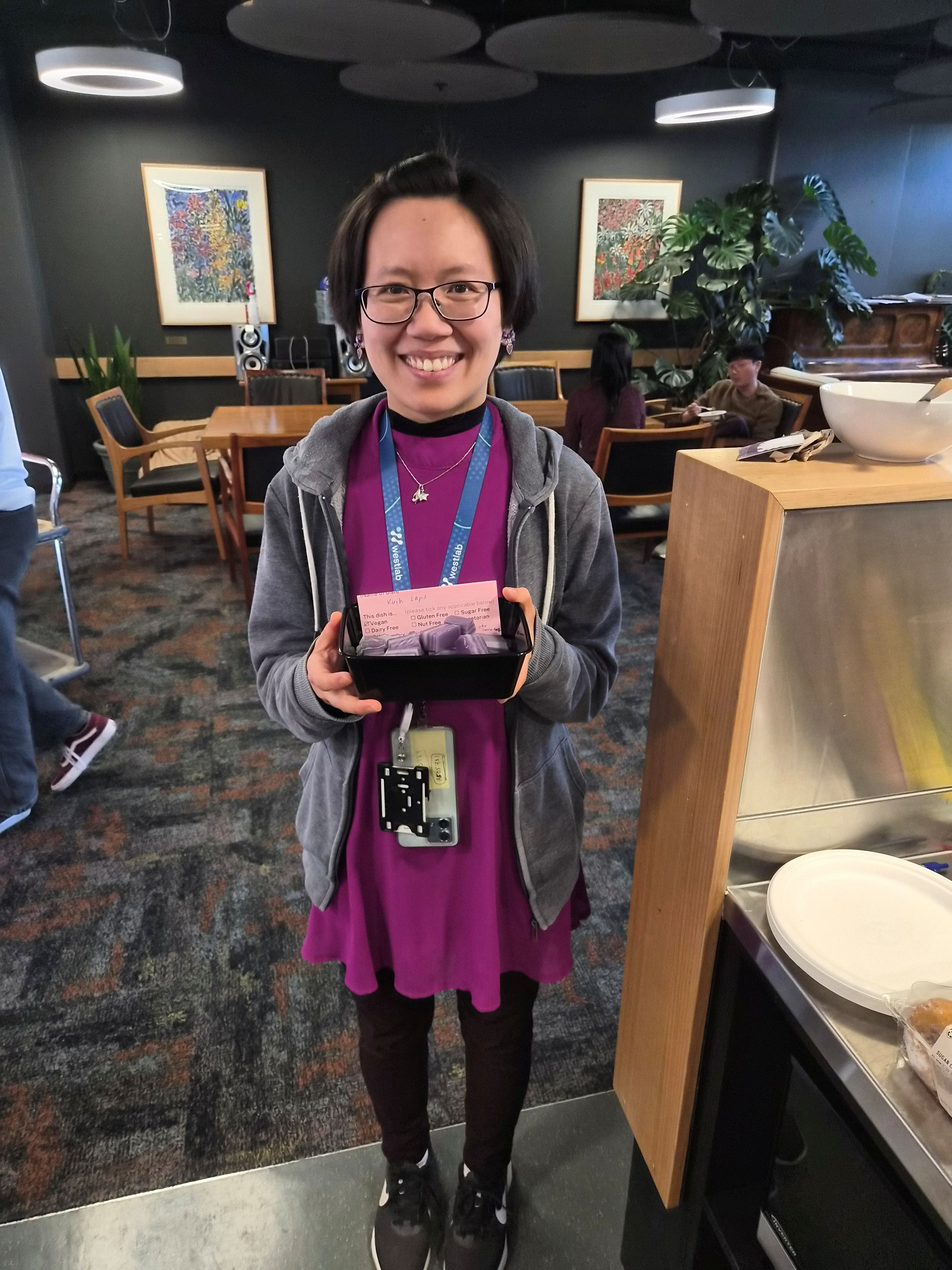
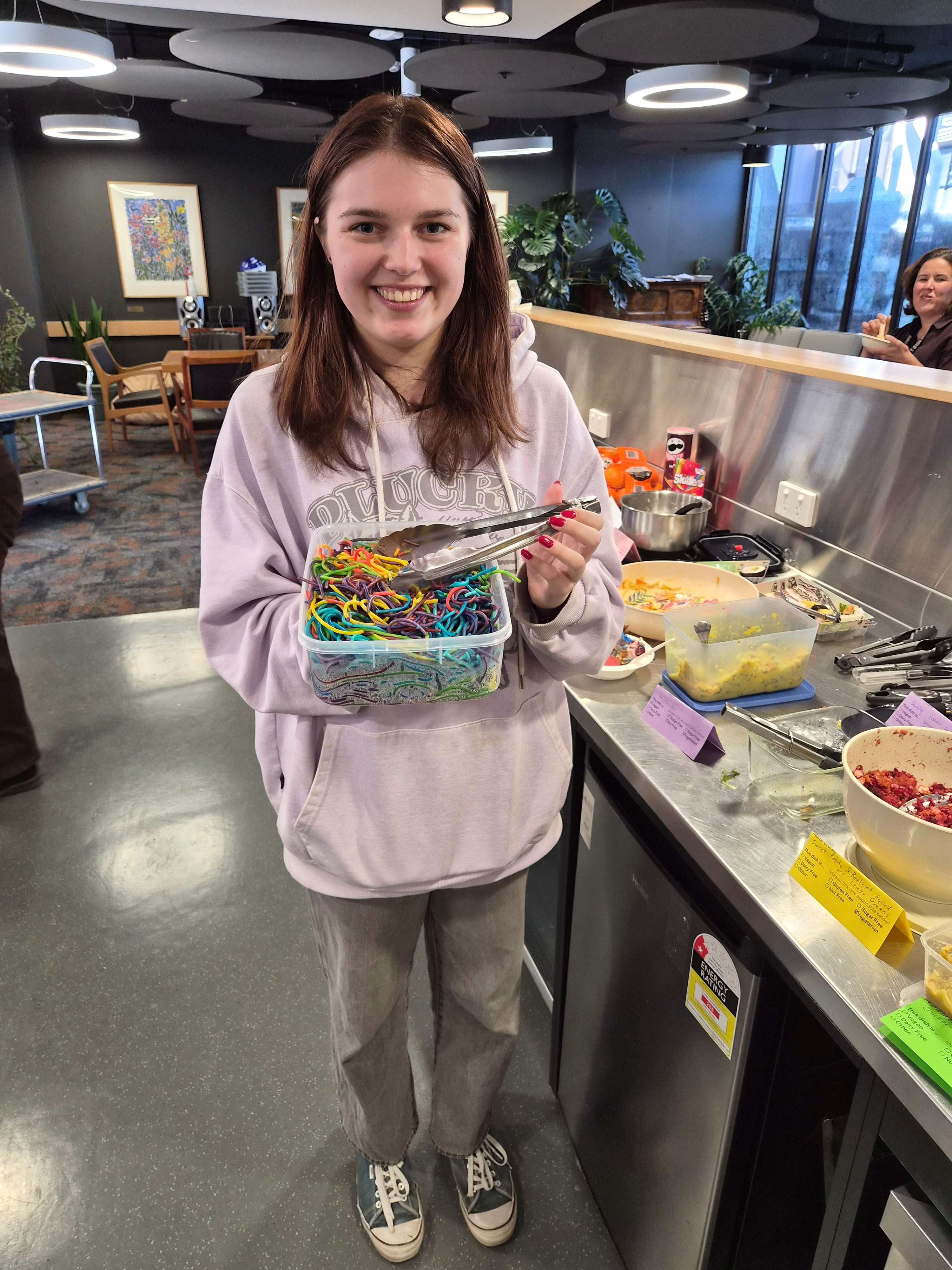
Lastly, thanks to everyone for sharing rainbow and purple food on Wear it Purple Day, we enjoyed some amazing creations, and it was nice to see so many in the School coming together for a shared lunch!
Cheers,
Uli
Uli Mathesius, Director, RSB
Welcome
Arnob Saha
Arnob Saha (Cardillo Group, E&E)
Welcome to new PhD student Arnob Saha. Arnob joins the Cardillo Group from Bangladesh to study global patterns of mammalian phylogenetic and functional diversity. His research will examine how evolutionary history, species’ ecological traits, and geographic distributions shape global mammalian diversity, and how these patterns may respond to ongoing environmental change driven by anthropogenic activities.
Mina Kearns
Mina Kearns (Cardillo Group, E&E)
The Macroevolution & Macroecology Group also welcomes PhD student Mina Kerns. Minais continuing in the Cardillo group as a PhD student following her honours. She will be working on forecasting extinction risk across large groups of species.
Madhushani Pabasara Rambandaralage
We are delighted to welcome Madhushani Pabasara Rambandaralage (Sequeria Group, E&E) to the Sequeira Group as a new PhD student. Pabasara will investigate the movement ecology and conservation of green turtles in Shark Bay, contributing to the Global Animal Tracking (GAT) Project led by the Sequeira Group.
Grants Awarded
ARC Future Fellowships
Lucy Aplin (E&E) valued at $1,329,808
Pieter Arnold (Nicotra Group, E&E) valued at $1,001,442
Emily Furlong (BSB) valued at $1,006,634
Andrew Scafaro (Atkin Group, E&E) valued at $1,164,896
Australian Africa Universities Network
Mirindi Eric Dusenge (Atkin Group, PS), externally led application with USW valued at $10,000
Congratulations
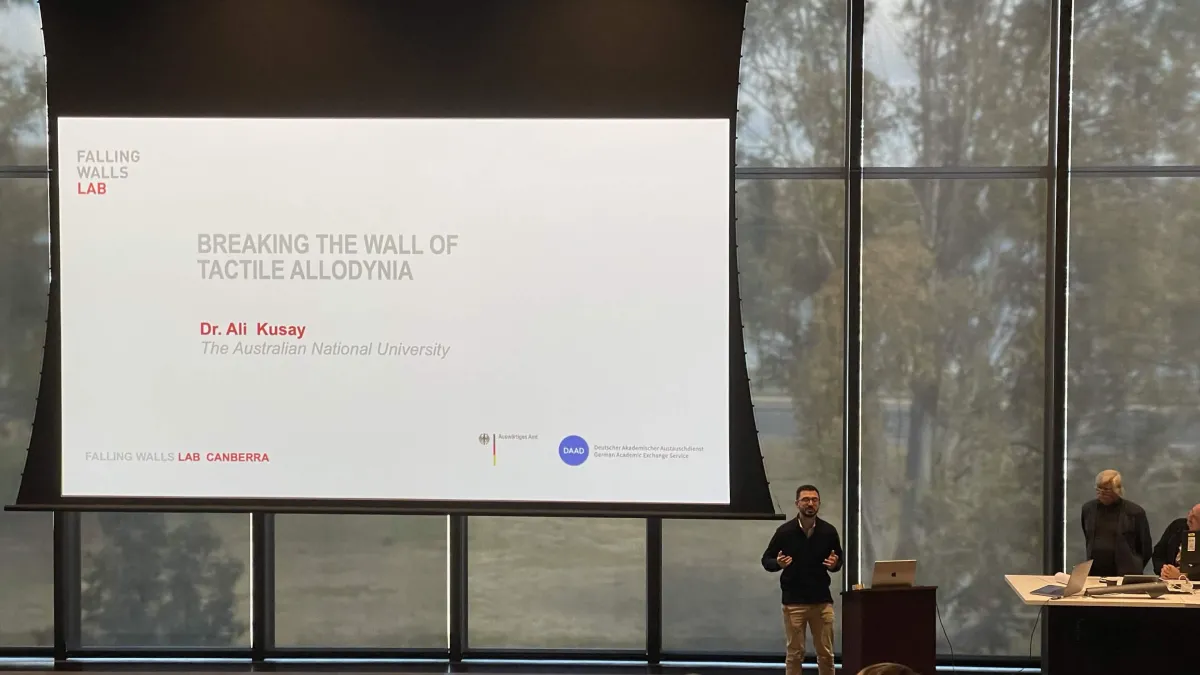
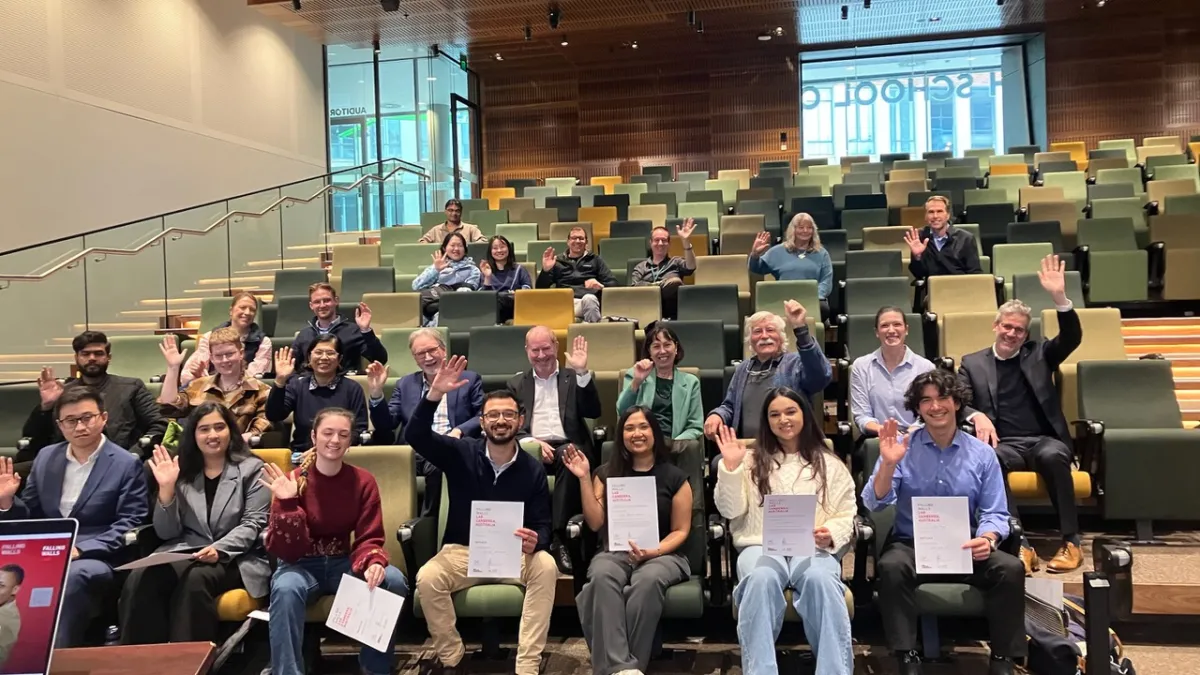
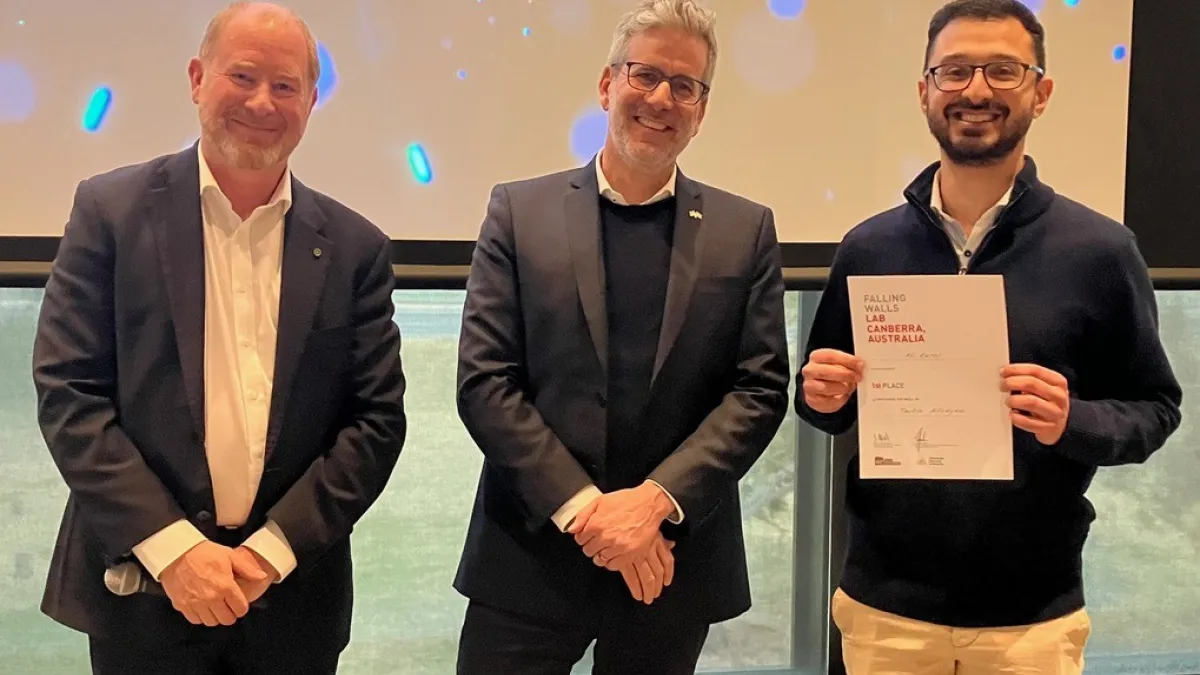
Congratulations to Ali Kusay (Corry Group,BSB), for winning the recent Falling Walls Lab regional event! Competing against bright minds from across NSW, Victoria, and the ACT, Ali successfully pitched his research on 'Breaking the wall of mechanical allodynia' in just three minutes.
Image
Ali Kusay presenting at the Falling Walls Lab regional event
Image
Image
Falling Walls Lab is a 3-minute style presentation to draw attention to a pressing research problem and offer a compelling solution. It is so named after the fall of the Berlin Wall and poses the question, which walls in the form of scientific challenges will fall next
With this victory, Ali has earned a spot to advance to the global finale at the Falling Walls Science Summit in Berlin this November and will be one of three contestants representing Australia at this global competition. We wish him the absolute best of luck as he takes the international stage to present his pioneering work on chronic pain relief!
ECR Travel Grant
Congratulations to Suyan Yee (Chan Group, PS) who was awarded an ECR travel grant (flights + accommodation) to deliver an invited seminar at the IPMB Early Career Symposium in Taipei, Taiwan, in November 2026.
ARC College of Experts
Congratulations to Peter Solomon (PS) who has been recently appointed for the ARC College of Experts 2027.
The event was held at the Australian War Memorial. Annamaria De Rosa (Byrt Group, PS) received the 'Promising exporter' award from the ACT Chief Minister, and shared MTE's goals of being able to deliver plant-inspired technologies for harvesting critical metal, nutrient and clean water resources from industrial wastes.
PhDs Awarded
August-September 2026
Ejiro Evivie
(Millar Group, PS)
MicroR159 is a genetic switch between growth and pathogen defense in plants
News
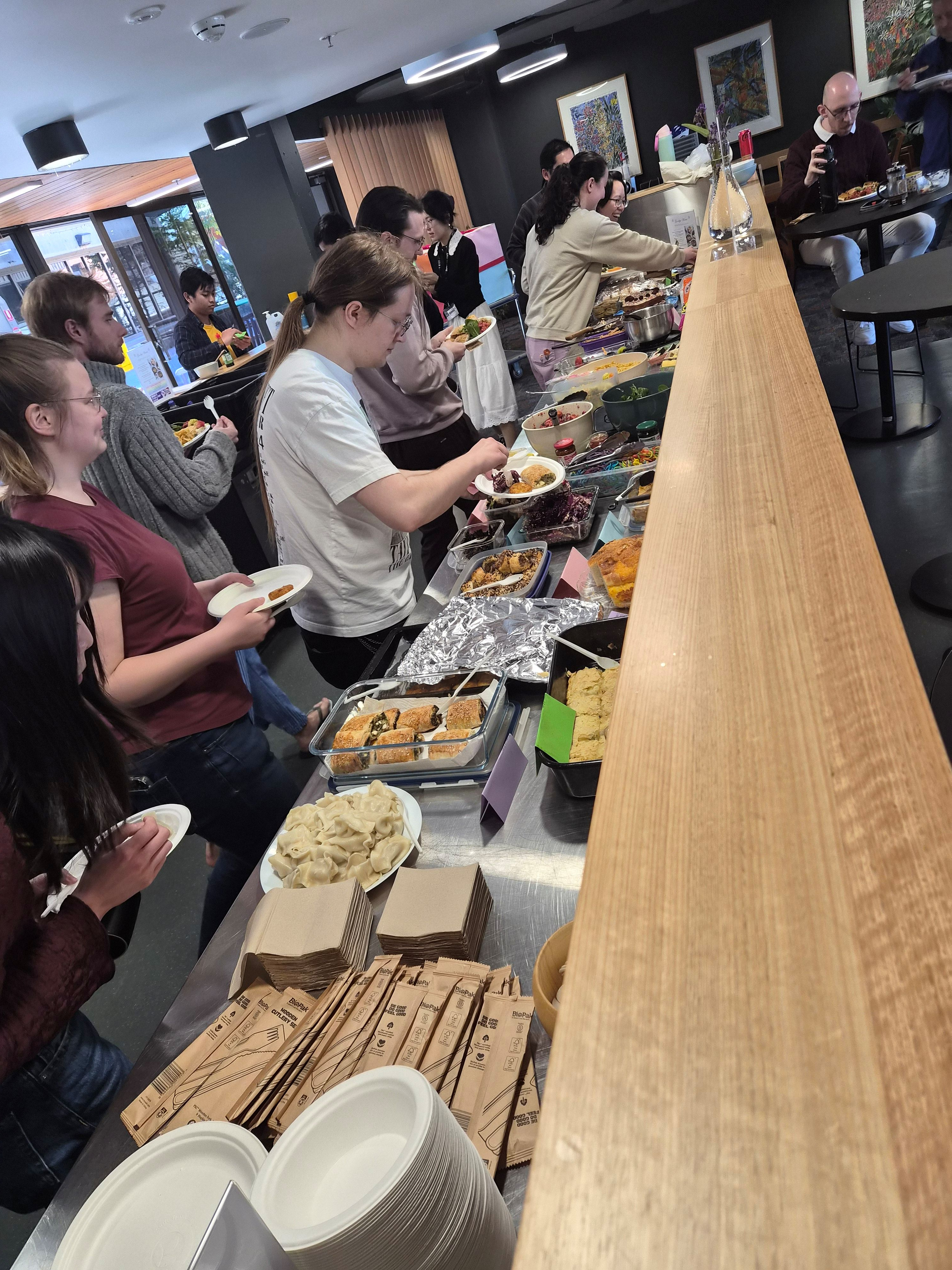
Wear it Purple Day x Goodbye Winter Potluck
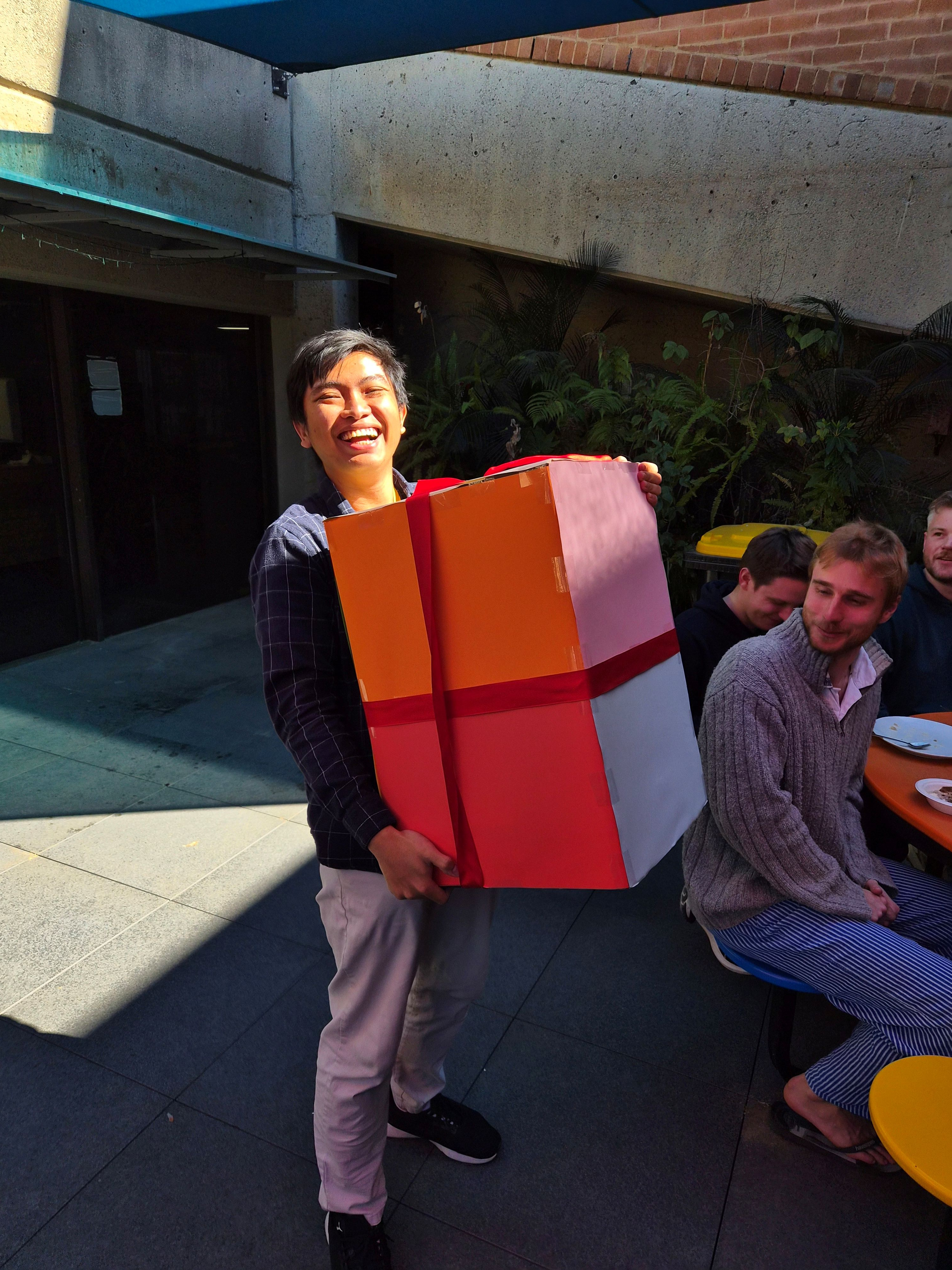
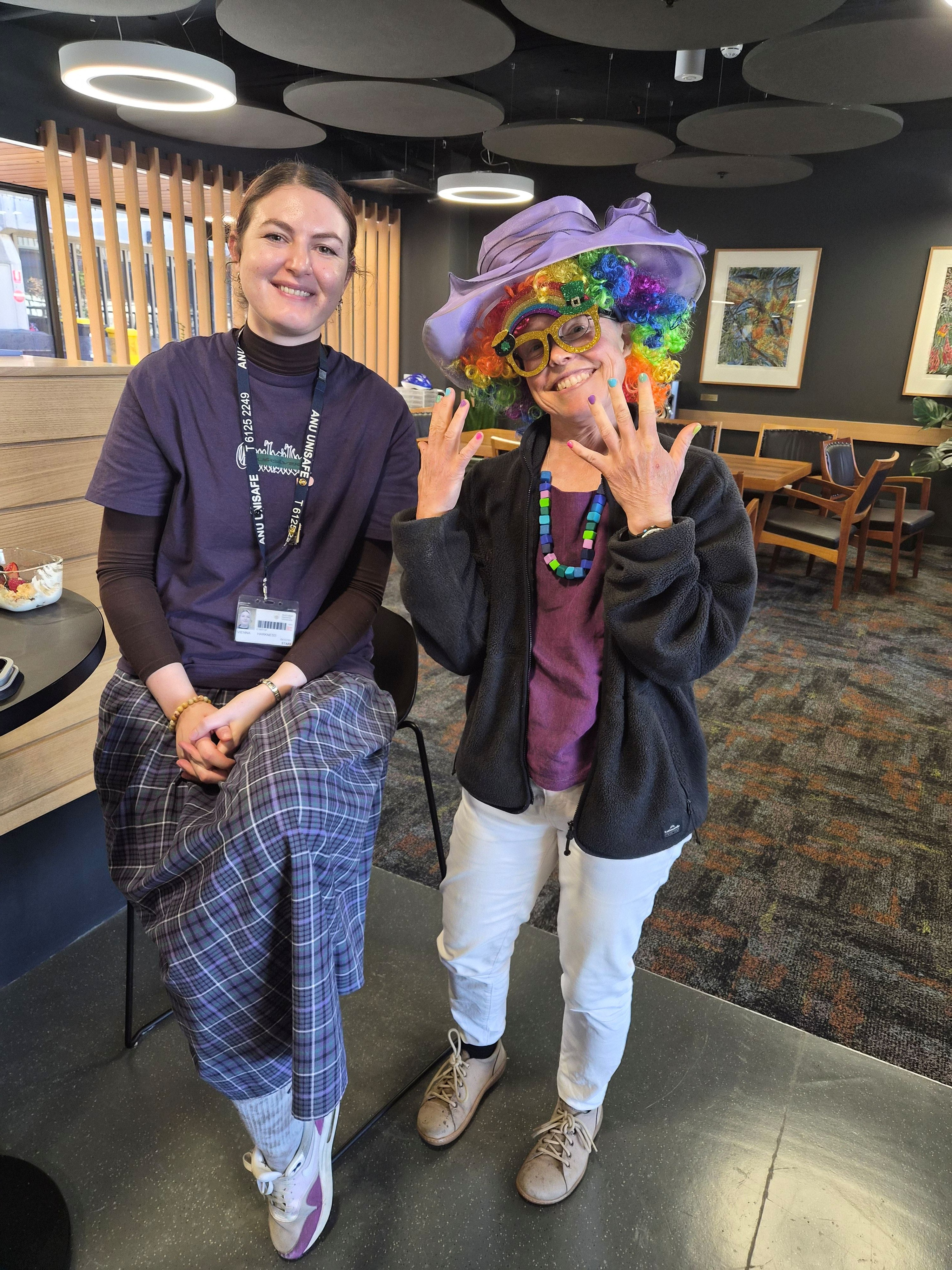
Thank you everyone for your attendance and enthusiasm at the RSB Wear it Purple Day and Goodbye Winter Potluck event! It was lovely to see everyone get in the spirit of the event, wearing purple or rainbow, to support our LGBTQIA+SB community.
Wear it Purple Day is an annual event that was founded to ensure every LGBTQIA+SB young person knows that they are seen, supported and never alone. The 2026 Theme for Wear it Purple Day was Colours of Courage, highlighting everyday acts of bravery shown by LGBTQIA+SB youth and allies: whether speaking up, living authentically, or supporting others. The theme celebrates diverse identities and the strength found in community, it was great to see the School come together as a community for this event.
Congratulations to ourWear it Purple Day prize winners!
Most purple/rainbow outfit: Xingyi Jiang (Farine Group, E&E)
Image
Xingyi Jiang with her prize for "most purple"
Our runners up for Most purple or rainbow potluck dish:Su Yin Phua (PSBA) and Caitlin Dwyer (Farine Group, E&E)
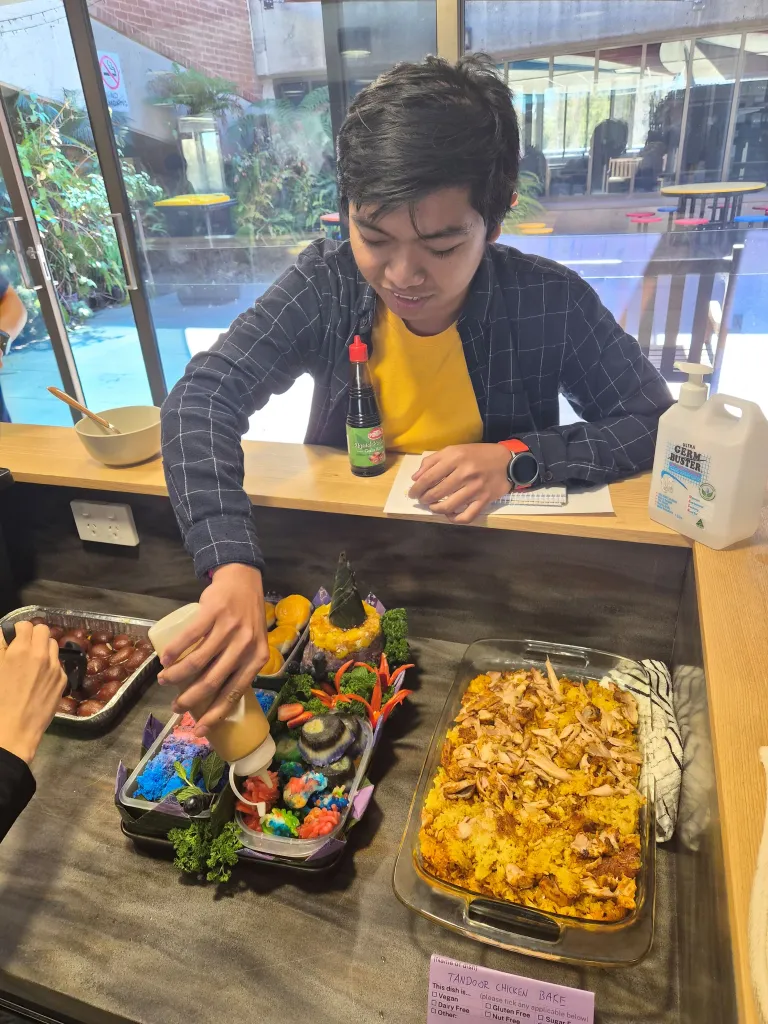
First Prize for Most purple or rainbow potluck dish: Maha Yudha Samawi (Skeels/Keogh Group, E&E)
Image
Maha Yudha Samawi (Skeels/Keogh Group, E&E) with a rainbow tumpeng consisting of sawut ketan, kue utri, putu mayang, kue talam and putu ayu.
Maha has provided us with a beautiful write up on his winning dish and the significance of Wear it Purple Day, we have included brief teaser excerpts below, but please take the time to read the full story: Celebrating Blessings in Purple.
As an Indonesian, I am grateful that we always seem to find a way to celebrate something. One of those ways is tumpeng, a traditional Indonesian dish, particularly associated with Javanese cuisine. Usually, it consists of rice shaped into a cone and surrounded by various side dishes. Tumpeng accompanies many stages of life: birth, a child's first steps, birthdays, weddings, deaths, and countless other occasions. Different moments call for different forms of tumpeng, but behind them is something simple: gratitude for what life has given us.
Traditionally, tumpeng is savoury. But when life enters a sweeter chapter, why shouldn't the tumpeng become sweet too?
...
This particular tumpeng was unusual.
It was created for Wear It Purple Day, so among those traditional Javanese sweets, I incorporated purple colours and symbols representing gender and sexual diversity. The result eventually won “Most Purple.” Seen from Indonesia, perhaps it is an inappropriate tumpeng: something deeply traditional, carrying symbols often portrayed as too progressive, too foreign, or even threatening.
But that raises a question: progressive compared with when?
The Kioloa trip was an absolutely phenomenal retreat – a perfect combination of relaxation, fun, and comradery. For those who have not been to Kioloa Coastal Campus before, it is a beautiful property owned by ANU. Located right on the seafront of New South Wales, it’s surrounded by kilometres of beautiful beaches and dense forest. The moment I got off the bus and saw a mob of kangaroos right up near the cabins, with little joeys peaking their heads from their mother’s pouches, I knew I was in for a treat. Any Biology student is in for a true slice of the wilderness: during my time I saw a smooth-handed ghost crab; a large monitor lizard; a blue tongue skink; beautiful birds; and eucalyptus and wildflowers as far as the eye can see. Time was provided between activities for exploring inland or along the coast, so we had plentiful opportunity to appreciate our surroundings.
The site itself, however, is only half of the story. My fellow HDR students who accompanied us on the trip, and the HDR convenors attending to provide us guidance, made the retreat something truly special that I won’t forget. The jam-packed schedule, suitably supplemented with rest breaks and exploration time, had a bounty of fun team-building exercises that helped strengthen my bonds with the other PhD students in my cohort. Between blindfolds at the beach, board games in the evening, and being asked to draw our thesis (in one hour!), there was a great mixture of competition and comedic antics. We arrived as a group of acquaintances, and left as a group of friends.
At first, I was worried I couldn’t take the time off – with Confirmation of Candidature upcoming, every moment feels precious – but now, I feel so rested, reassured and rejuvenated heading into this milestone. I’d absolutely recommend it to any HDR student who has an opportunity to go.
-Written by Colm Ryan (Djordjevic Group, PS)
Image
2026 HDR Retreat at Kioloa Campus
Image
Image
Image
Shimi's experience
I started my PhD at ANU in mid-January this year, stepping into Canberra life after leaving behind my friends and familiar social circles in Sydney. One of the first pieces of advice I kept hearing was, “Make sure you’re ready for the Canberra winter!” So, I prepared myself- and honestly, the winter turned out to be not too bad. What I found a little harder at the beginning was starting over socially in a new place.
A PhD can feel surprisingly quiet when you are new. Over time, I started meeting people around RSB, but there were still so many familiar faces I would see walking through the corridors, passing between different levels or working in nearby labs, without actually knowing who they were.
Then winter passed, spring arrived, and suddenly my PhD started feeling very real. With my Confirmation of Candidature coming up in November, experiments progressing and the academic side of PhD life becoming increasingly intense, I was already beginning to feel the pressure.
Right in the middle of all this came the HDR retreat at Kioloa.
Initially, I wasn't completely sure whether I should go. Part of me wondered whether I should stay back and keep working. Eventually I thought, why not? A little break might actually be good.
I am very glad I went.
It was my second visit to the ANU Kioloa Coastal Campus, which was as beautiful as I remembered -but this time felt much more special because of the people. Many of those familiar RSB faces from the corridors suddenly became people with names, research stories, jokes and personalities. Instead of just walking past each other, we actually had time to talk.
And there was plenty of time to have fun. We enjoyed the beautiful surroundings, spotted kangaroos and cute crabs, went for a swim, played volleyball, and threw ourselves into all sorts of games and activities. A highlight for me was the board games. I had never really been actively involved in them before, but I absolutely loved it. There was strategy, laughter, competition and, somehow, a lot of teamwork. It was one of those simple activities that brought everyone together.
The retreat also gave us opportunities to hear from the HDR conveners, learn from their experiences and have conversations that felt much more relaxed and open than they might in a formal academic setting. It was reassuring to realise that everyone experiences different challenges during a PhD, and that there is a community around us to share them with.
A huge kudos and thank you goes to our HDR student representatives for organising everything. Their energy, friendliness and effort made the whole experience feel welcoming from the beginning, and the interactions with the HDR conveners made it even more valuable.
For me, this was probably the best part of Kioloa: I went there for a break from the PhD and came back feeling a little more connected to the community I am doing it with.
-Written by Shimi Jose (Williams Group, PS)
Leading AMSA 2026 and showcasing ANU Marine Science
The conference was supported by ANU, including sponsorship from the Research School of Biology (RSB), Fenner School of Environment & Society (FSES), and Research School of Earth Sciences (RSES). The event also featured a welcome address from the ANU Deputy Vice-Chancellor (Research & Innovation), highlighting ANU's commitment to marine science and environmental research.
The Sequeira Group continues to play a leading role in strengthening marine research at ANU, with the ANU GEMS (Group of Experts in Marine Science) initiative coming together for their second meeting in September 2026. ANU GEMS brings together researchers from across >10 departments at ANU to advance interdisciplinary marine science and conservation.
From Protocol to Practice: An Introduction to Illumina DNA Library Preparation
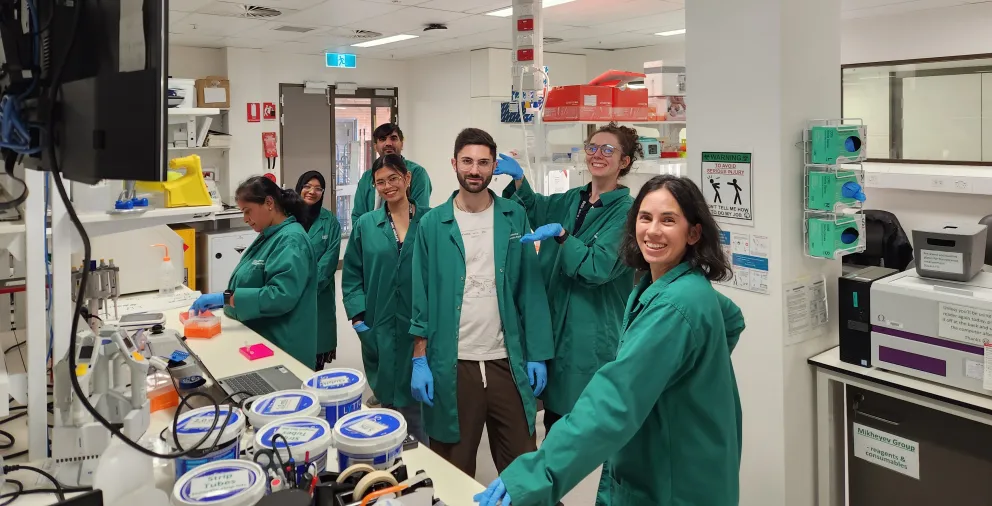
From 8–10 September, researchers and students came together for an Introduction to Illumina DNA Library Preparation workshop, designed to provide hands-on training in the preparation, quality control and troubleshooting of sequencing libraries.
For many participants, the workshop began with some uncertainty, as DNA library preparation can initially seem complex and highly technical. Over the three days, however, participants gained hands-on experience and confidence, learning that successful library preparation is largely about careful planning, organisation, timing and, of course, following the protocol.
One of the key messages of the workshop was: “In molecular biology and in the laboratory, more can be worse.” Adding more reagent or extra PCR cycles does not necessarily mean getting more or better results. Participants learned not only how to prepare Illumina DNA libraries, but also how to monitor DNA quality, troubleshoot unexpected results and adapt when equipment is unavailable. Ultimately, the workshop was about more than following a protocol: it was about learning how to plan, execute and troubleshoot a library preparation with confidence. And what happens when something goes wrong? You repeat it, think about where the problem may have occurred, and try again. Or, if all else fails, you go to Niccy, have a minor existential crisis, let her calm you down and explain everything, and then go back to the lab and try again. Problem solved.
From left to right: Fatema Akhter (Head-Jennions Group), Alvaro Conca (Course Convener, Mikheyev Group), Vheena Mohankumar (CSIRO), Muhammad Farooq (Head Group), Jamaica Ortiz (Visitor), Sara Bryant (Mikheyev Group), Mitzy Pepper (Keogh Group).
As a PhD researcher, one of the lessons I have learned is that mistakes can be an important part of scientific learning. Laboratory work requires caution and precision, but also the confidence to troubleshoot, learn from unexpected results and try again. Be cautious, but do not be afraid of the error.
After three days on the other side of the classroom, I now understand why academics say that teaching can be exhausting! Keeping the energy and enthusiasm going is no small task. To all of you out there: I understand you better now, and you are doing an amazing job!
Many thanks to Niccy Aitken (DSTO, E&E) for her enormous help with the organisation and execution of the workshop, ensuring that everyone could complete the practical sessions smoothly. We would also like to thank Claire Stephens (Moritz Group, E&E) and the CBA for supporting the proposal and making the workshop possible, and, of course, all the participants for their enthusiasm and engagement throughout the three days.
-Written by Alvaro Conca Esquembre (Mikheyev Group, E&E)
ANU reef scientist marks a decade of Christmas Island monitoring
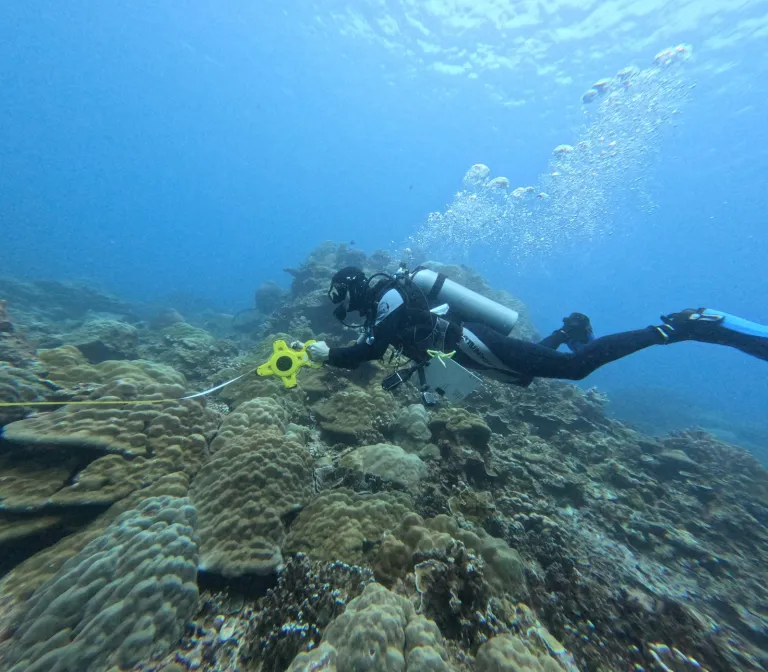
In August, Jennie Mallela (Jennions Group, RSB) completed her tenth annual coral reef health assessment on Christmas Island, continuing a long-running partnership between ANU and Parks Australia that has tracked the island's reefs since 2015.
Image
Over two weeks, Jennie and a team of Parks Australia rangers dived ten long-term research sites. Activities included surveying coral cover, disease and herbivorous fish populations — species that help keep reefs healthy by controlling algae. As part of the trip, Jennie also trained Parks staff in SCUBA survey techniques, building local capacity for future monitoring.
The visit wasn't just about research. Jennie also delivered a community talk on a decade of reef change, presented to Year 9 and 10 students, and introduced three coral reef card games — designed by ANU science and art & design students — to the local school. A new multilingual "Herbivore Heroes" resource was also launched to help explain reef ecology to the island's community. If you are interested in the project, contact Jennie at jennie.mallela@anu.edu.au.
In the Media
Parasite Pandemic Escape Room on ABC Canberra
Image
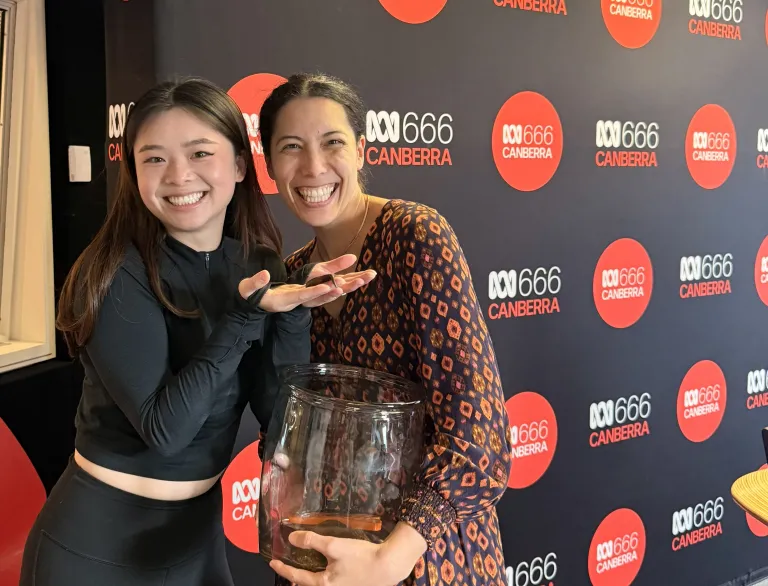
Cecilia Nie (Maier Group) with Alice Matthews on ABC Radio Canberra
Cecilia Nie (Maier Group, BSB), as well as her pet leeches, was invited to speak with ABC Canberra earlier this month about the return of the Maier Lab's popular Parasite Pandemic Escape Room.
As part of ANU's 80th Birthday celebrations, the Maier Group is bringing back the well-loved outreach event, which attracted more than 500 participants last year. Participants gear up in lab coats and goggles and use real scientific equipment to solve a series of codes and puzzles, all in a race to find the antidote and save humanity from a deadly, rapidly spreading parasite outbreak.
The immersive escape room offers a fun and interactive way for the public to experience parasite research and discover how science can be used to tackle real-world infectious diseases.
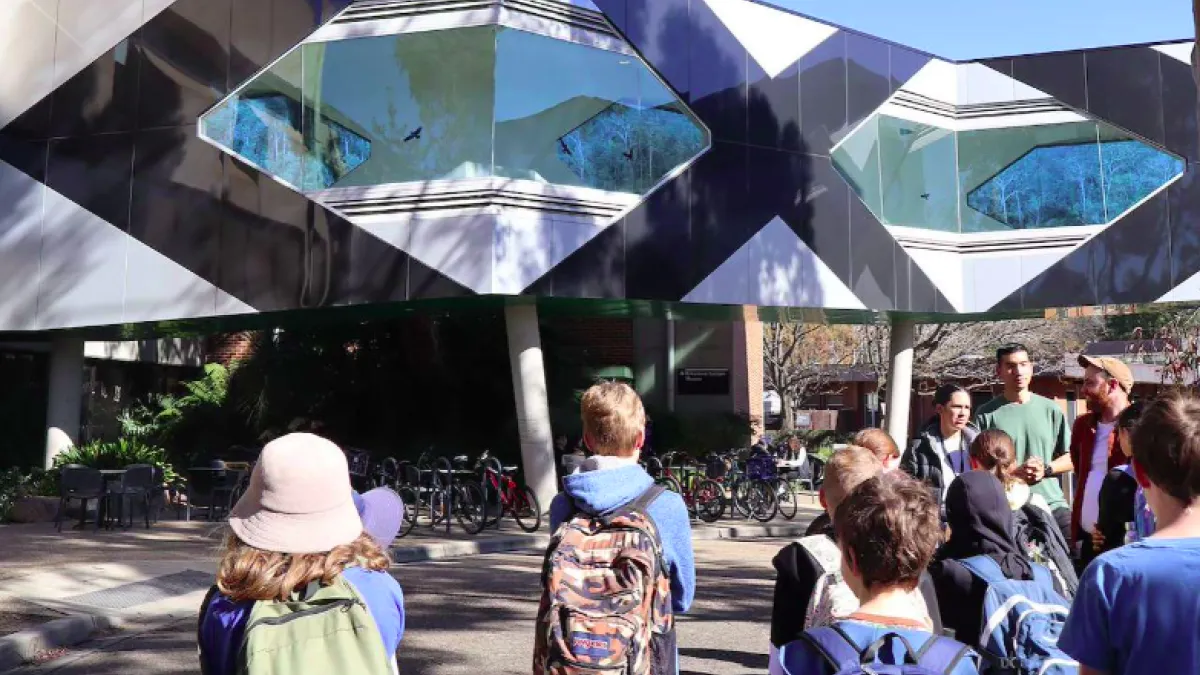
Bluegum students lined in front of the Linnaeus Building
Image
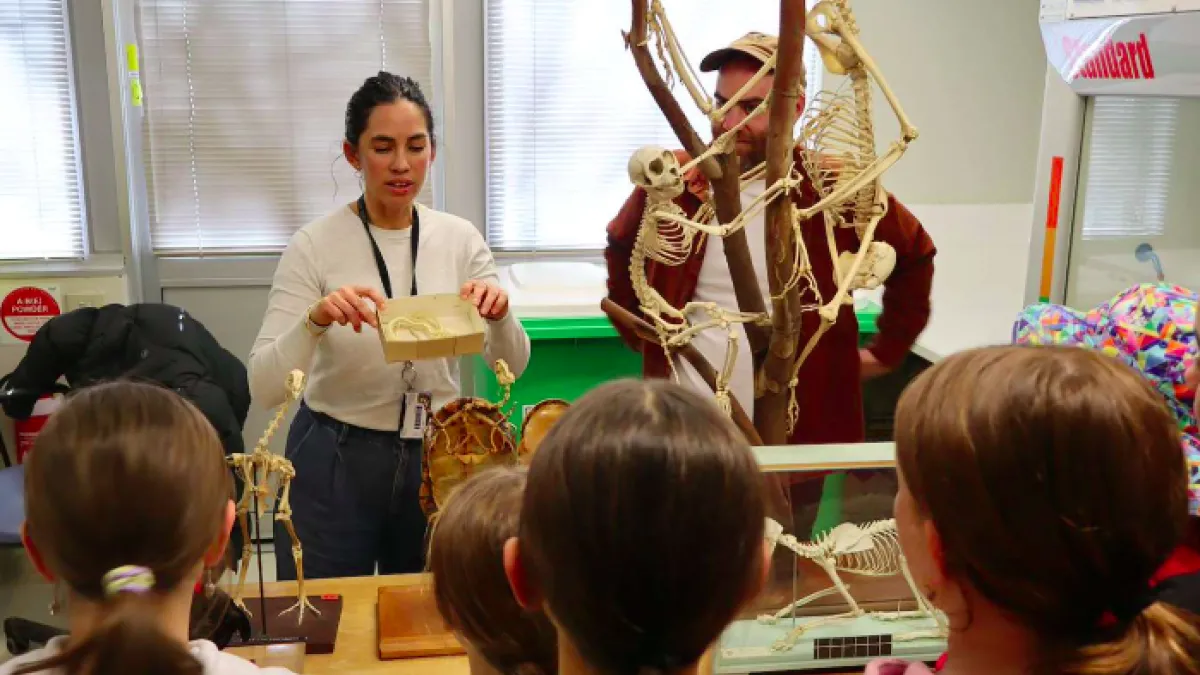
Mitzy Pepper showing off specimens while Alex Skeels hides behind them
Image
Bluegum student scrutinises skeletal specimen
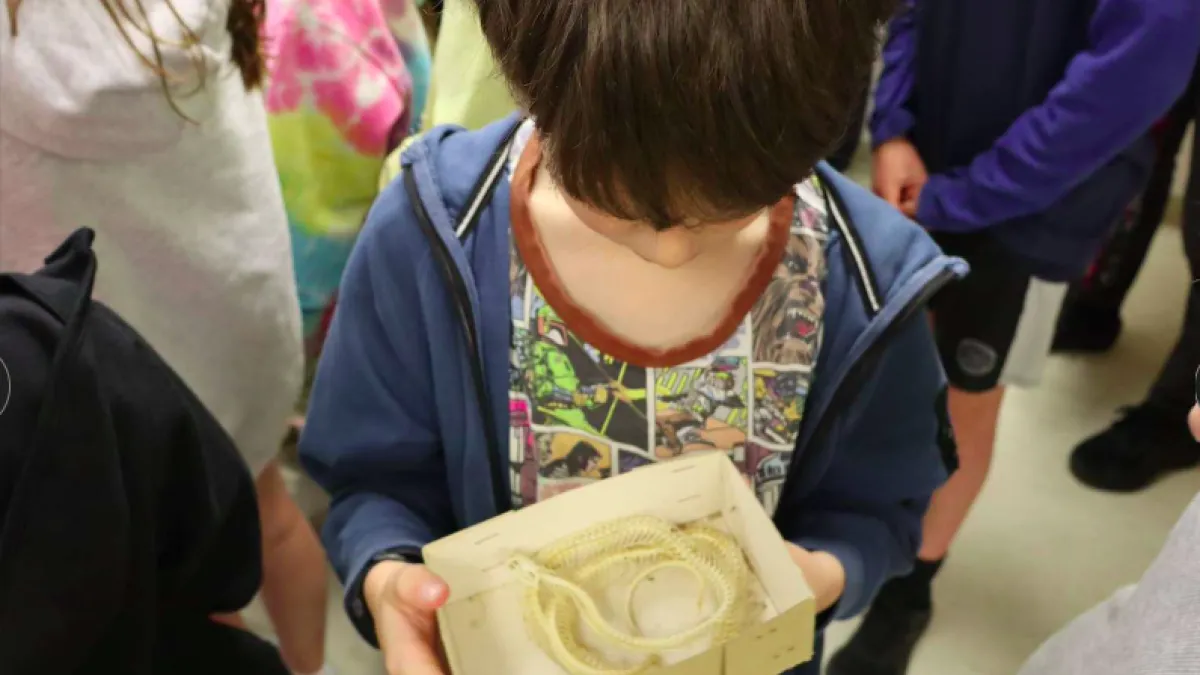
On August 13th we had 20 year 4 and 5 students from Bluegum School come and visit us for the day. The students had been learning about biogeography, Gondwana, and Wallace’s Line in class and came brimming with questions for their hosts, Alex Skeels (Cardillo Group, E&E), Mitzy Pepper (Keogh Group, E&E), and Putter Tiatragul (Keogh Group, E&E), who did their best to answer them. Alex spoke about how we use fossils, plate tectonics, and genetics to ask whether the breakup of Gondwana could explain the distributions of widespread groups like Proteaceae plants or ratite birds (emus, ostriches, and moa, etc). Mitzy gave a survey of Australian reptiles and inspired the next generation of intrepid field biologists with a video of fieldwork in the outback. The students then took a tour of the natural history collection in the Gould building museum, and they learned about convergent evolution and blindsnakes with Putter – favourite specimens included the Baboon head, emu on a stick, and the many, many tubs of preserved pythons and venomous snakes! Putter led the final activity of the day - a game of chance on the lawns next to Robertson building exploring why some groups cross the Wallace Line more easily than others – lollies were involved and it's safe to say that it was a crowd pleaser.
ANU Primary Schools Enrichment Event: Inspiring Young Scientists
The ANU Primary Schools Enrichment Event is an annual programme that introduces primary students to hands-on scientific exploration while introducing them to pathways into university and science careers. Now in its twelfth year, the two-day event is run by RSB in collaboration with Tuggeranong schools.
Image
The Governor-General engaging with students in the teaching lab (photo supplied by Jamie Kidston)
Image
Sarah Fletcher, Maja Adamska, the Governor-General, Ulrike Mathesius and the Interim Vice-Chancellor with a student from Tuggeranong schools who is examining microscopic freshwater organisms on a petri dish (photo supplied by Jamie Kidston)
Image
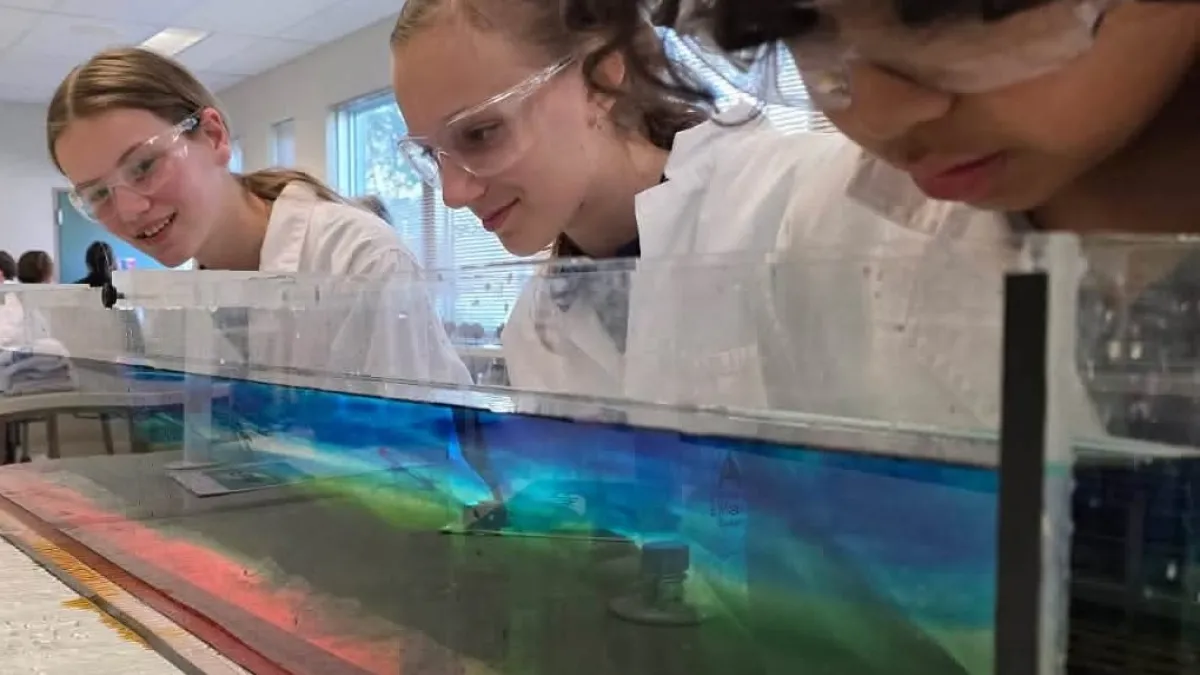
Students observing modelled ocean currents using coloured solutions (photo supplied by Sarah Fletcher)
The programme began with a lecture by Maja Adamska (BSB), followed by a tour of the Climate and Fluid Physics Laboratory in RSES, and a visit to Fenner Hall. The second day brought them into our teaching labs for a series of fun and engaging science investigations, where they examined microscopic freshwater organisms, extracted plant dyes to test on different textiles, and modelled ocean currents using coloured solutions. Guided by our staff in the Biology Teaching and Learning Centre, and supported by twelve Year 10 student mentors, the thirty-six Year 6 students developed skills in observation, analysis and teamwork while exploring science in a practical setting.
A highlight of this year’s event was the participation of Her Excellency the Hon Sam Mostyn AC, Governor-General of the Commonwealth of Australia, who was invited to meet the students and join them in the activities. The Interim Vice-Chancellor, Professor Rebekah Brown, and the Dean of the College of Science and Medicine, Professor Kiaran Kirk, also joined the Governor-General for the occasion.
The students presented their findings to their peers during the event and later shared their outcomes at school, extending the programme’s reach into the wider community.
Initiated by Sarah Fletcher, STEM specialist teacher at Bonython Primary School and recipient of the 2020 Prime Minister’s Prize for Excellence in Science Teaching, the event was developed in response to the perception that science can be abstract and disconnected from real-world applications and future career opportunities. By engaging students early, it aims to make science and university study feel more accessible and demonstrates the value of university–school partnerships in fostering curiosity, confidence, and aspiration among the next generation of scientists.
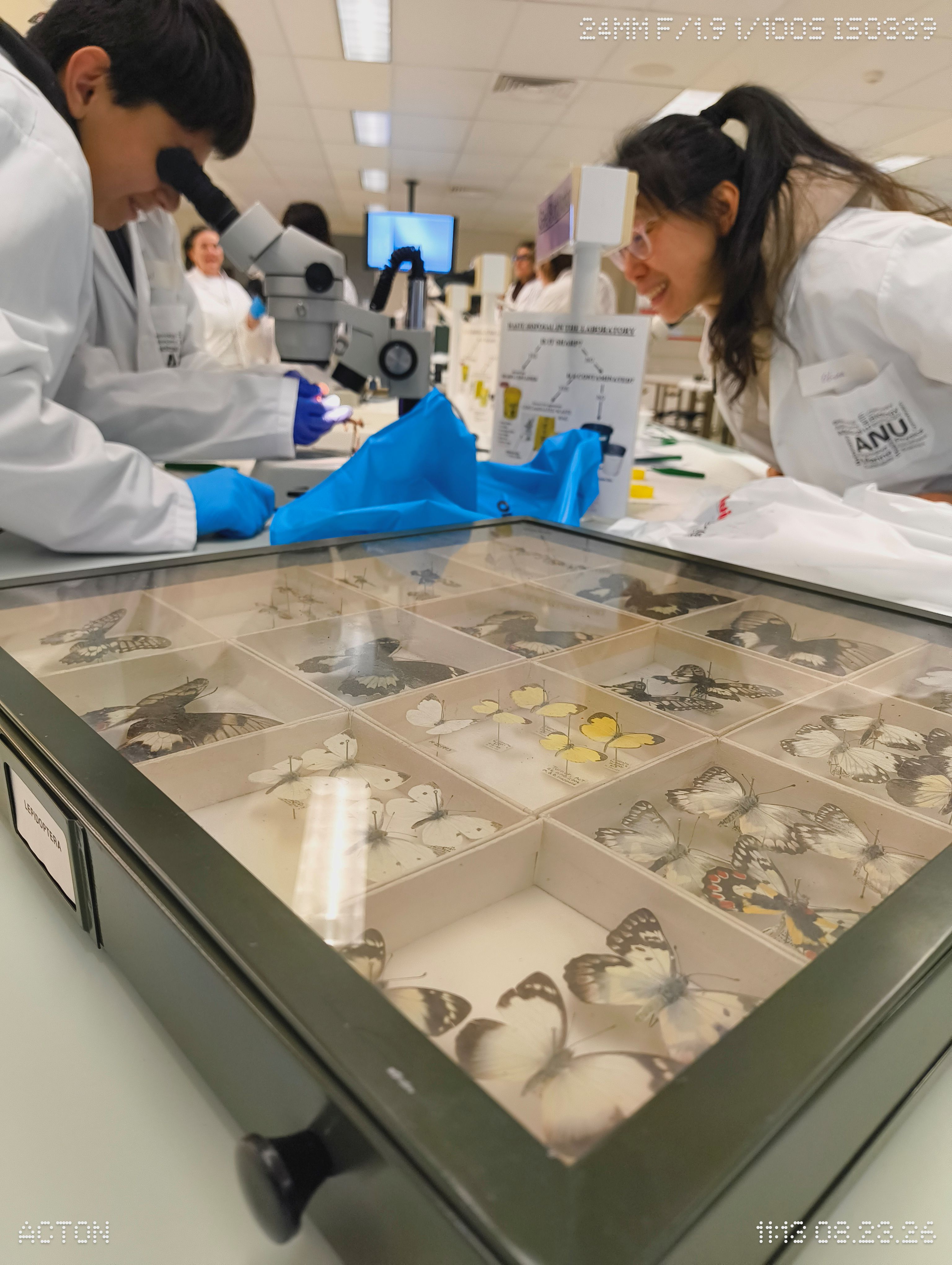
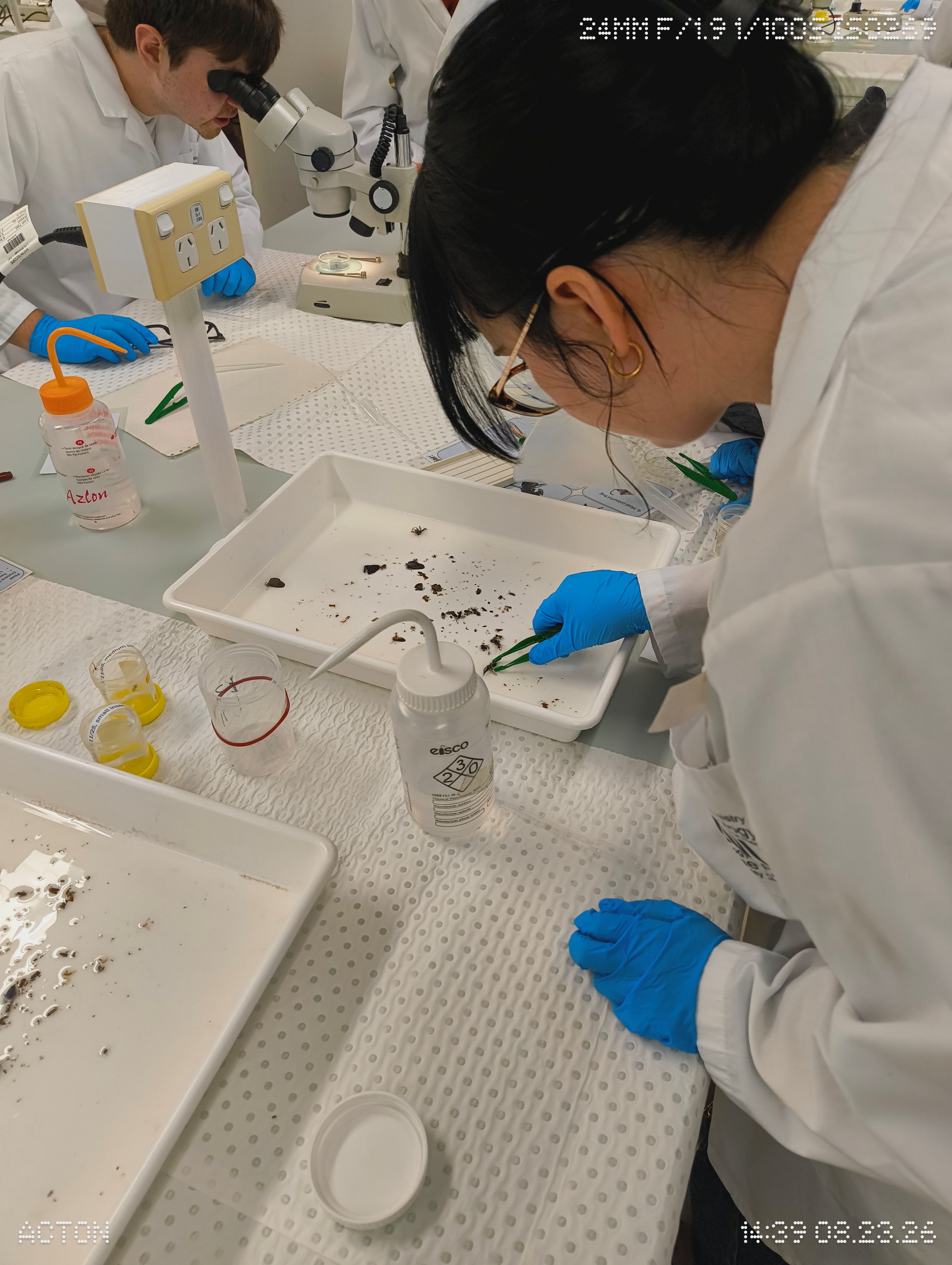
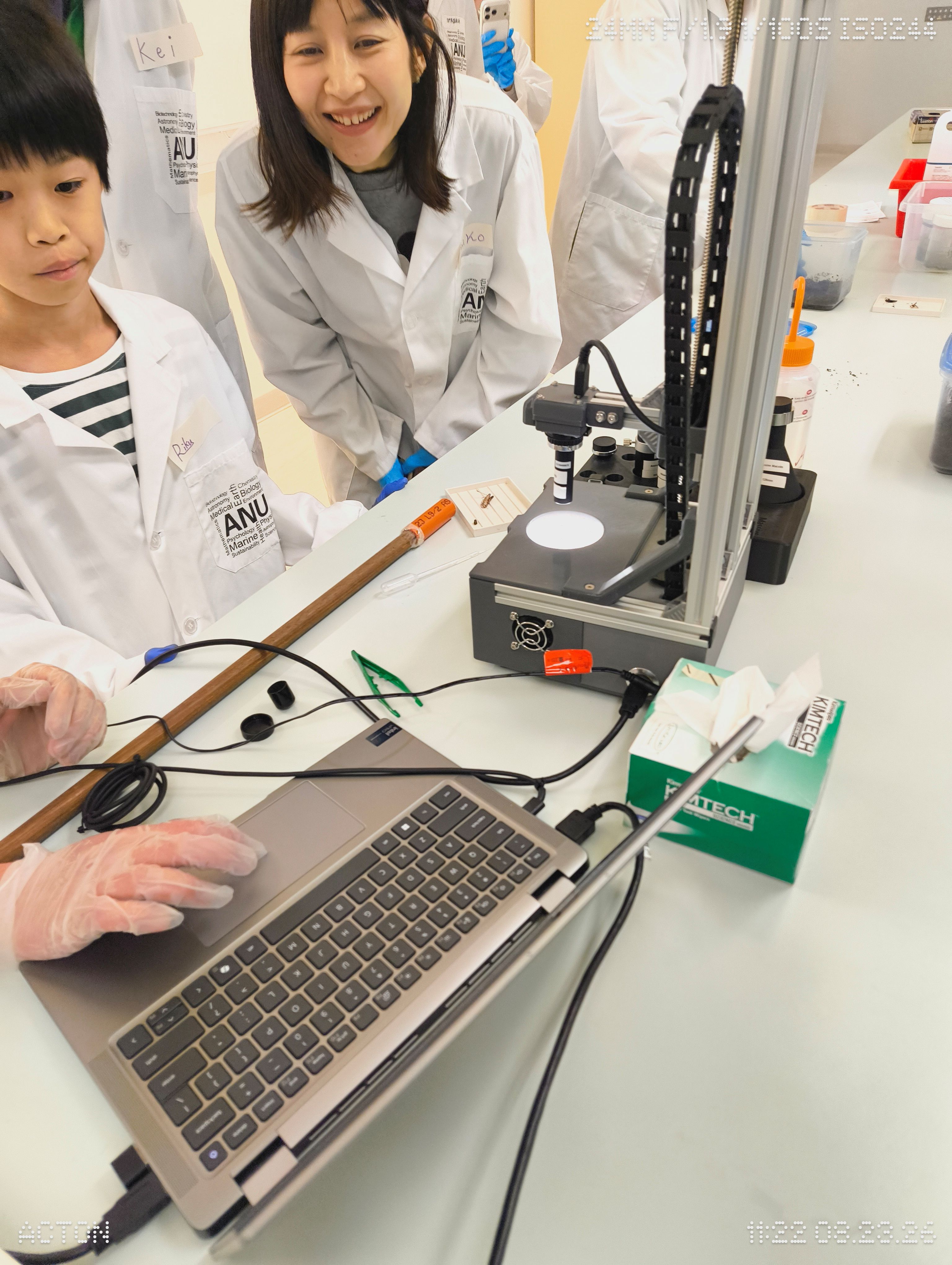
The Head Group recently hosted a National Science Week outreach event on August 23, titled Discovering Insect Biodiversity. The event was pitched at family groups, and was designed to help participants learn about the insect science we do at RSB, encourage a greater appreciation for our invertebrate biodiversity, and learn some basic insect identification skills.
Participants stepped into the role of entomologists for the day, donning lab coats and glasses in the Gould teaching lab before helping researchers to process insect specimens collected from Malaise traps. Using microscopes and the Entomoscope camera, participants examined insects up close, learning how scientists distinguish different insects taxa from one another. For many participants, this was their first time using microscopes, which were a huge hit.
Throughout the workshop, participants also explored how ANU researchers study insect biodiversity, why insects are crucial for healthy ecosystems, and how they can contribute to understanding and conserving our tiniest animals. The event attracted plenty of enthusiastic participants, with many budding entomologists in attendance. Big thanks to Joshua Coates (Head Group, E&E), Taia Artemov (Head, Mikheyev, Borevitz Group, E&E), Kai Dewar (Mikheyev Group, E&E), Muhammad Farooq (Head Group, E&E), Ivan Neo (Peakall Group, E&E) and Jolan Leforestier for helping to run things on the day, as well as to Claire Stephens (CBA) and Melanie Trinick (BTLC) for their help in organising the event.
Hi! I am Grace from the Tham Group in BSB division. I am also co-supervised by Peter Solomon from PS. I am 1 year into my PhD studying the deadly chytrid fungus of frogs. I sit at N3.014 (Building 134) if you ever want to swing by or accessible by this inbox.
Cecilia Nie
Hi, I am Cecilia from the Maier Group in BSB division. I am a second-year PhD student, and I study parasites, ranging from the devastating malaria parasite to agricultural nematodes! If you ever want to chat about your project, concerns, or simply come for a yap, you can find me at 3.042 Maier Group (Level 3, Building 134) or via this inbox.
Alek Meade
Hi, it's Alek from the Mathesius Group in plant sciences, I'm a year into my PhD looking at nitrogen fixation in barley. I'm on the 3rd floor of the south wing of Linnaeus if you want to chat or you can email this inbox.
Hafiz Sabah-Ud-Din Mazhar
Hi, I'm Hafiz, your Plant Science HDR rep! I'm a third-year student in the Danila lab, where I study plasmodesmata formation in C3 and C4 monocots. If you'd like to discuss any problems, share concerns, or just have a conversation, feel free to find me at room 1.100 (Level 1, south side) in the Linnaeus building or in this inbox.
Samuele Ramellini
I’m Samuele, one of the E&E HDR reps! I’m a third-year student in the Farine lab. I study social behaviour and causes of mortality in the superb fairywren. Please come and have a chat with me for any problems you may have. Or just feel free to come to me and chat about your science! You can find me at my desk at W308/12, Level 3, RN Robertson Building or shoot me an email.
Shefali Dorepalli
I’m Shefali, a third year PhD candidate studying behaviour and cognition and in wild cockatoos. I love all things science communication and outreach and am keen to help HDR students with their PhD journey. Feel free to reach if you need anything or find me at C315/2 on level three of the Robertson building.
From Plant SynBio Australia (PSBA ANU)
New Equipment
Plant SynBio (PSBA ANU) is continuing to expand our capabilities, strengthening the technologies and expertise that support our plant biotechnology services and workflows.
Image
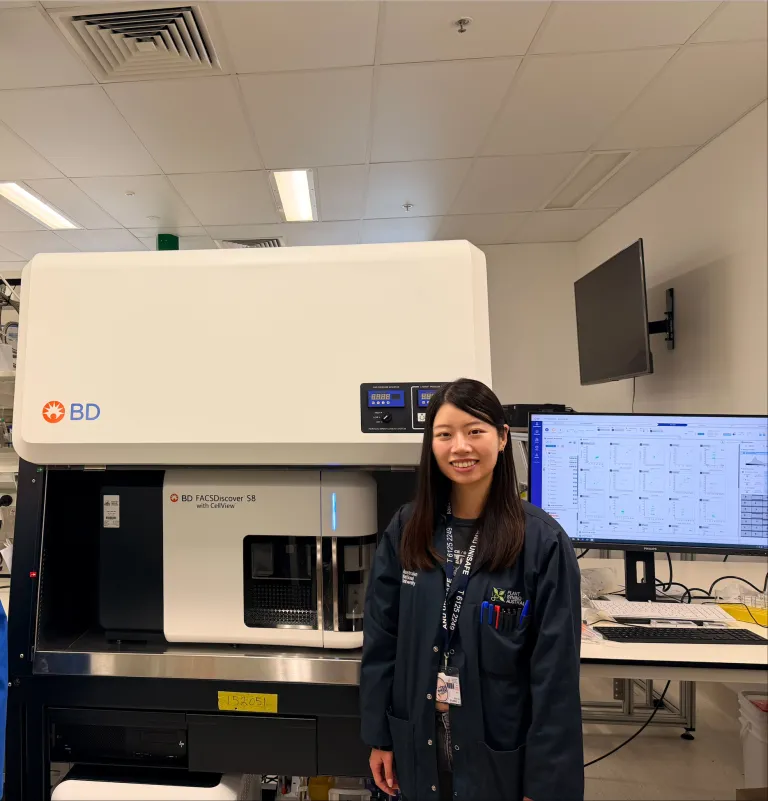
Natalie Tsang (PSBA) with the FACSDiscover S8 cell sorter
Our new BD FACSDiscover™ S8 Cell Sorter with CellView™ imaging technology brings advanced cell sorting and imaging capabilities to our platform, providing new opportunities to enhance and streamline our protoplast workflows. This capability is further strengthened by the expertise of Natalie Tsang, supporting the integration and application of this technology across our services and research.
Image
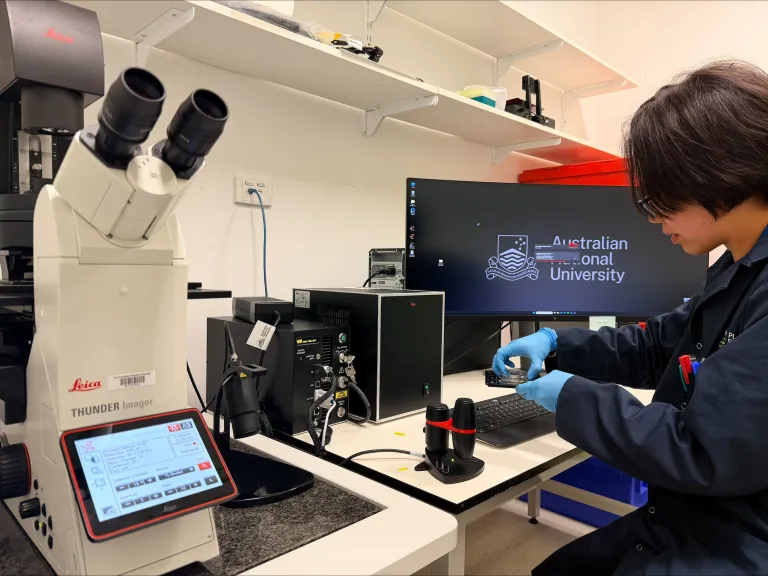
Su Yin Phua (PSBA) with the DMI8 inverted microscope (THUNDER Imager live cell)
We have also added a new THUNDER fluorescence microscope, enabling faster and more efficient fluorescence signal detection and imaging. Together with Su Yin Phua's (PSBA) expertise in fluorescence microscopy, this platform will strengthen our ability to rapidly evaluate fluorescence signals and support downstream experimental decision-making.
By combining advanced instrumentation with the expertise of our researchers, PSBA ANU is building a stronger and more integrated capability from protoplast preparation and cell sorting through to fluorescence screening and analysis, supporting more efficient, precise and innovative plant biotechnology research.
PSBA ANU is working across RSB to ensure that once commissioned, this equipment is integrated into School systems for wide access.
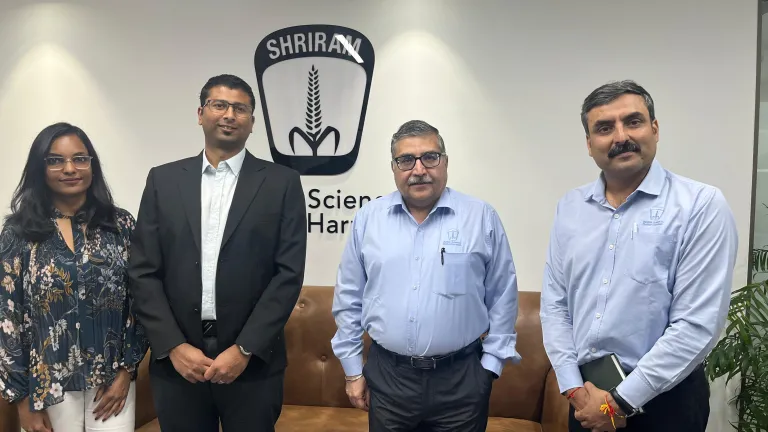
Two members of the PSBA ANU team, Joshua Philips (PSBA) and Kavya Yalamanchili (PSBA), recently travelled to India to engage with local biotechnology companies, researchers and industry partners, contributing to the growing Australia-India biotechnology dialogue.
Image
Kavya Yalamanchili and Joshua Philips, meeting with Sanjay Chhabra and Paras Chaturvedi from DCM SHRIRAM, a leading Seed company in India who are exploring a plant biotechnology project with PSBA-ANU
The visit provided an excellent opportunity to showcase PSBA’s capabilities and technology offerings, and to explore how our expertise and research platforms can support Indian biotech companies and research organisations.
Through discussions with potential partners, we explored opportunities for future research collaborations, technology development and knowledge exchange, connecting complementary expertise across the Australian and Indian biotechnology sectors.
Image
Kavya Yalamanchili and Joshua Philips, presenting PSBA’s capabilities to the Director and leading scientists at the National Institute of Plant Genome research (NIPGR) in Delhi
We look forward to building on these conversations and developing new partnerships that translate shared scientific strengths into meaningful innovation outcomes.
From the APPN
APPN Postgraduate Internship Award (PIA) submission deadline 31 October
The second Postgraduate Internship Award round for 2026 will close on October 31. These awards give PhD students an opportunity to utilise the network’s infrastructure and equipment to help pursue their own research questions, with placement available at any of the nine APPN nodes.
The award can cover up to $10000 of infrastructure use, and up to $2000 towards travel and accommodation where necessary.
If you would like to apply, please access the materials available here. Be sure to reach out to your desired node as soon as possible to discuss your potential project and infrastructure requirements.
New equipment has arrived!
Image
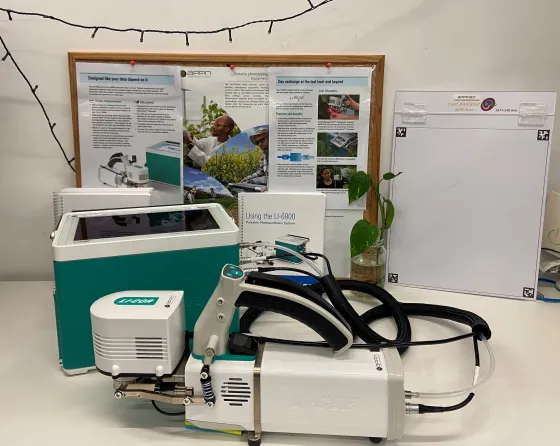
New Li-6800 portable photosynthesis system with PAM fluorometer
We are very pleased to announce the arrival of two new instruments at APPN-ANU! Our new Li-6800 portable photosynthesis system with PAM fluorometer (available as Licor #12) expands existing gas-exchange measurement capabilities and provides users a compact and precise system to measure traits like CO2 assimilation and stomatal conductance, and investigate photosynthetic response to temperature, light and CO2 concentration.
Image
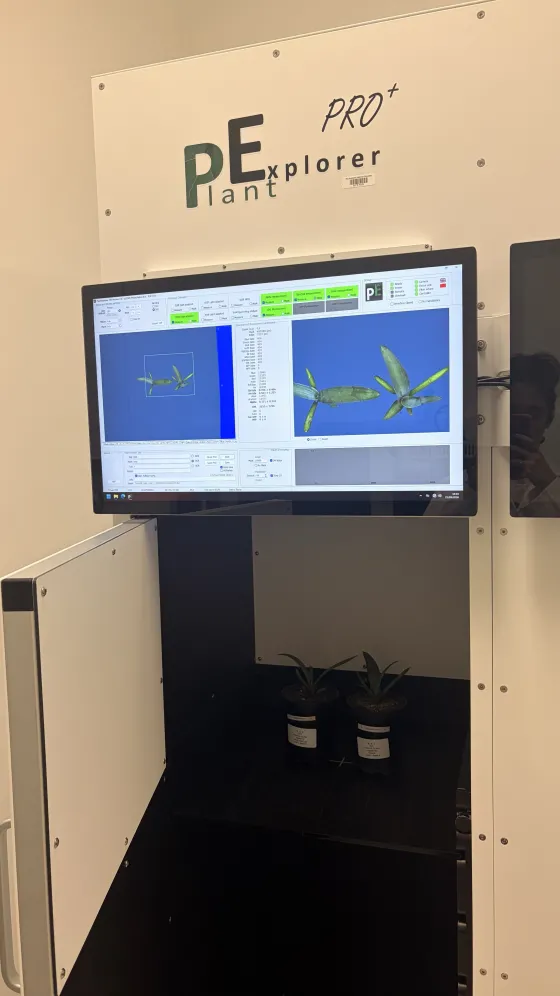
Phenovation PlantExplorer PRO+
And the Phenovation PlantExplorer PRO+(available to users by mid-October). This system combines PAM and OJIP fluorescence measurements, high resolution multi-angle RGB and multispectral imaging to allow 3D plant reconstruction and powerful spatial analysis of photosynthetic performance. This reach in system can accommodate plants up to 1.2m tall, with an imaging size of 50 x 50cm, and is located in the Linnaeus building (good news for PGF occupants!)
Both will be available to book via APPN-ANU Equipment Dashboard, alongside our existing gas-exchange, chlorophyll fluorescence, thermal imaging and hyperspectral imaging instruments.
Please use the following link: Equipment Induction Registration Form if you would like to be inducted and receive basic operational training for any of our bookable equipment.
From the Field
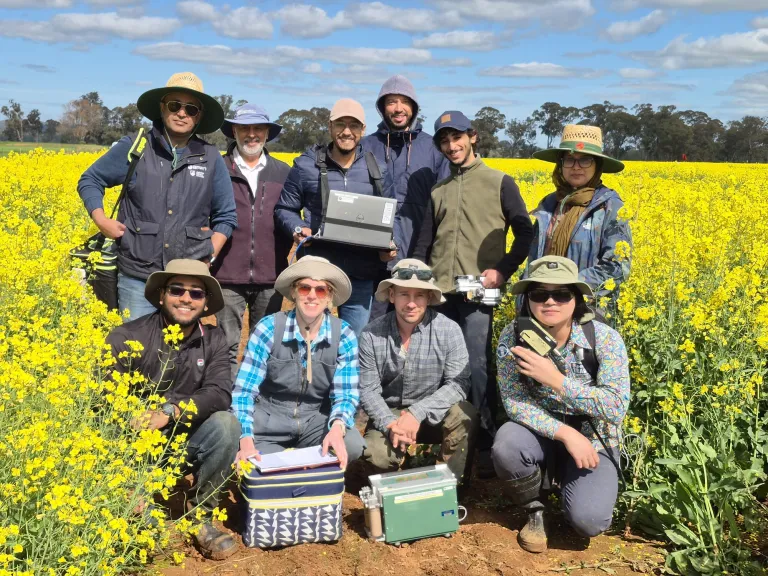
The APPN-ANU team and colleagues from RSB recently returned from 8 days of intensive data collection in Wagga Wagga, as part of the canola research initiative “Determining Source to Sink Relationships in Canola and Identifying Exploitable Genetic Diversity” led by Dr Harsh Raman (NSW DPRID). This project is being undertaken in collaboration with ANU researchers Dani Way (PS), Bob Furbank (PS), Florence Danila (PS), Andrew Scafaro (Atkin Group, PS), Frederike Stock (APPN) and Owen Atkin (PS).
Image
Back row (left- right) Fahim Nawaz, Harsh Raman, Arshdeep Singh Saini, Abdeljalil El Habti, Karim Bolis, Sadia Majeed. Front row (left – right) Hafiz Sabah-Ud-Din-Mazhar, Frederike Stock, Josef Garan and Ming-Dao Chia
The research is part of a $10 million investment by NSW DPRID and the Grains Research and Development Corporation (GRDC), aimed at boosting the size and stability of Australian canola yields. In the field, the team collected over 2000 leaf hyperspectral reflectance measurements, 2000 leaf level photosynthesis and respiration measurements, and 1000 microscopy images of the leaf stomata. This phenotyping data will be used to help identify underlying genetic factors that influence growth and yield in Australia’s third most valuable crop.
Publications
Byrt, C.S., 2026. Reframing renewable energy infrastructure as productive capital for development. Academia Green Energy 3. https://doi.org/10.20935/AcadEnergy8474
Fathoni, I., Kina, Ü.Y., Chan, A.H.Y., Lee, J., Ho, T.C.S., Rauch, M., Martin, P., Meissner, E.A., Stach, T., Leeper, F.J., Rug, M., Matuschewski, K., Saliba, K.J., 2026. Plasmodium thiamine pyrophosphokinase is essential for sporozoite formation and activation of an antiplasmodial thiamine analogue. Proc. Natl. Acad. Sci. U.S.A. 123, e2534594123. https://doi.org/10.1073/pnas.2534594123
Hu, Z., Bröer, S., Yan, R., 2026. Structure-guided targeting of the LAT1-4F2hc amino acid transporter in cancer and brain disorders. Medical Review. https://doi.org/10.1515/mr-2026-0046
International SafeCassava Network, The Global Plant Council, 2026. Konzo: The Sentinel Disease of Climate Inequality in Sub-Saharan Africa. Zenodo. https://doi.org/10.5281/ZENODO.23156785
Obaid, N.B., Patyi, A., Berckx, F., Klages, K., Bernal-Gómez, M., Lavello, A., Jentzen, J., Brachmann, A., Wibberg, D., Blom, J., Kalinowski, J., Mehrabi, S., Kennedy, I.R., Normand, P., Mathesius, U., Pawlowski, K., 2026. In the nodule or on the nodule? The hidden Frankia biodiversity in Casuarina nodules across continents. Plant Soil. https://doi.org/10.1007/s11104-026-09140-z
O’Sullivan, B., Bamford, R., Shannon, M.R., Mallela, J., Perriman, A.W., 2026. Material design for artificial reef restoration: a novel calcium carbonate biocomposite. Biotechnol. des. 4, e77. https://doi.org/10.1017/S2977905726100808
Pádua, T.A., Passos, M.X.V., Mascarenhas, E.D., Costa, T.E.M.M., Silveira, G.P.E., Pinto, D.P., Brito, R.M.M., Maier, A.G., Bueno, L.L., De Sousa, E.G.R., Rosas, E.C., Guimarães, T.F., 2026. Comprehensive evaluation of chloroquine–resin complexes: functional, biopharmaceutical and antimalarial performance. International Journal of Pharmaceutics 702, 127272. https://doi.org/10.1016/j.ijpharm.2026.127272
Rourke, L.M., Byrt, C.S., Price, G.D., Long, B.M., 2026. Heterologous expression in E. coli reveals that bicarbonate transporter BicA2 mediates carbon uptake in marine Prochlorococcus spp. The ISME Journal 20, wrag222. https://doi.org/10.1093/ismejo/wrag222
Tcherkez, G., Nugroho, R.A.P., Broussard, L., Lukman, R., Caliman, J.-P., Ball, M., 2026. Predicting Phloem Transport Rate in Crops, in: Liesche, J., Sevanto, S. (Eds.), Phloem, Methods in Molecular Biology. Springer US, New York, NY, pp. 535–547. https://doi.org/10.1007/978-1-0716-5488-0_39


 Left to right: Kate Osborn (Admin, RSB), Gorden de Brouwer (Chancellor, ANU), Sarah Kaines (DTST, PS), Ulrike Mathesius (Director, RSB)